Have you ever wondered where all those small items in stores around the world actually come from? The answer is almost always Yiwu. With over 75,000 shops, it is the biggest wholesale market on the planet. For any business owner, it’s like a goldmine for finding products at the lowest prices.
But here is the reality: Yiwu is massive. It’s so big that if you spent only 3 minutes at every shop, it would take you years to see everything. Most people go there and feel lost. They don’t know which building to start with, how to talk to suppliers, or how to make sure they aren’t getting a bad deal.
In this guide, we are going to break down exactly how to handle this market. We’ll show you the best products from Yiwu that are actually worth your money and give you practical Yiwu buying tips to avoid common mistakes.
If you want to know how to navigate the districts, find the best Yiwu items, and get your goods safely to your warehouse, keep reading. We’ve put all the steps you need right here.
In this article, we will also cover how to buy from yiwu market effectively to maximise your sourcing opportunities and navigate the complexities of this vast marketplace.
Understanding the Yiwu International Trade City (Futian Market)
If you are planning to visit, the first thing you need to know is that the “Yiwu Market” is actually called the International Trade City, or simply Futian Market. It is divided into five massive districts, all connected to one another.
Each district is dedicated to specific types of yiwu items. You don’t want to wander around aimlessly because you’ll waste days. Instead, you should go directly to the district that matches your business niche.
District-by-District Breakdown
To help you plan your trip, here is a quick breakdown of what you will find in each section:
| District | Main Product Categories | Target Audience |
| District 1 | Toys, Artificial Flowers, Jewelry, Hair Ornaments, Ornaments | Gift shop owners, Toy retailers, Fashion brands |
| District 2 | Bags & Suitcases, Umbrellas, Hardware & Tools, Electrical Products | Industrial traders, Tool shops, Travel brands |
| District 3 | Stationery, Sporting Goods, Cosmetics, Apparel Accessories, Zippers | School supply wholesalers, Beauty brands, Gym owners |
| District 4 | Hosiery (Socks), Daily Necessities, Gloves, Belts, Sewing Thread | Supermarket buyers, High-volume daily-use wholesalers |
| District 5 | Imported Goods, Textiles, Fabrics, Pet Supplies, Auto Parts | Global importers looking for fabrics or niche pet products |
Pro Tip: District 1 and District 4 are usually the busiest. If you are looking for the most famous best products from yiwu, these two districts are where you will likely spend most of your time.
How the Floors Work
Inside each district, products are further organized by floor. Usually, the ground floor is for the heaviest or most basic items, while the higher floors might have factory-direct showrooms or high-end versions of the products.
Before you start walking, make sure to check out our Detailed Yiwu Market to see exactly which gate you should enter to find your specific product category.
Best Products from Yiwu: What Should You Buy?
With millions of products available, the biggest challenge isn’t finding something to buy,it’s choosing the right best products from yiwu that will actually sell in your home market.
Yiwu is famous for “Small Commodities.” This means items that are small, lightweight, and low-cost. These are perfect for high-margin retail because the shipping costs are low compared to the value of the goods.
High-Margin Categories to Consider
If you are looking for the most profitable yiwu items, focus on these three “goldmine” niches:
- Fashion Accessories & Jewelry: (District 1) This is perhaps the most popular category. Items like earrings, hair clips, and scarves often cost pennies but can be sold for $10–$15 in Western markets. They are lightweight, meaning you can fit thousands in a single shipment.
- Promotional Gifts & Office Supplies: (District 3) Think of customized pens, notebooks, and “swag” for companies. Businesses are always looking for affordable branded items, and Yiwu’s prices for these are unbeatable.
- “Dollar Store” Items: (Districts 2 & 4) Kitchen gadgets, cleaning tools, and party supplies are staples of the Yiwu market. These are fast-moving consumer goods (FMCG) that people buy every day, ensuring a steady stream of sales.
Understanding Quality Tiers: Stock vs. Custom
One of the most important yiwu buying tips is understanding that not every item is made the same way. In Yiwu, you will generally find two types of buying options:
- “Stock” Items (Ready Goods):
These are products already sitting in a warehouse.
- Pros: You can buy very small quantities (sometimes just one carton) and they ship immediately.
- Cons: You cannot change the color, logo, or packaging. What you see is what you get.
- Custom-Order Manufacturing (OEM):
This is where you ask the supplier to make the product specifically for you.
- Pros: You can add your own branding, change the materials, and customize the packaging.
- Cons: Higher Minimum Order Quantities (MOQs) and longer waiting times (usually 15–30 days for production).
Step-by-Step Guide: The Buying Process
Navigating the Yiwu market isn’t like walking into a local mall. It is a professional trade environment. To get the most out of your trip, you should follow this three-phase process.
Phase 1: Preparation & Travel
Before you even pack your bags, you need to handle the logistics.
- Getting Your Visa: Most visitors will need a Business Visa (M Visa). Make sure to apply at least a month in advance. You may need an “Invitation Letter” from a Chinese company or agent to complete the process.
- How to Get There: Yiwu has its own airport, but many international travelers fly into Shanghai (PVG) or Hangzhou (HGH) and then take the high-speed train. The train from Shanghai takes about 90 minutes.
- Best Visiting Seasons: The market is open year-round, but avoid the Chinese New Year (usually late January or February) as the entire market shuts down. The best times to visit are April–May and September–October when the weather is mild and new products are launched.
Learn More Yiwu Market Guide: The Ultimate Wholesale Buying Guide
Phase 2: On-the-Ground Sourcing
Once you enter the market, the scale can be overwhelming. Here is how to stay organized:
- Booth Navigation: Each booth has a number. If you see something you like, write down the booth number immediately. It is very easy to get lost and never find that specific shop again.
- Collecting Business Cards: Every supplier has a card. Carry a stapler or a notebook. Staple the card to a page and write notes about the price and MOQ next to it.
- Taking Product Photos: Always ask for permission before taking a photo. When you take a picture, try to include the supplier’s booth number or card in the frame so you remember which photo belongs to which seller.
Phase 3: Negotiation & Ordering
Negotiating in Yiwu is a standard part of business, but you have to speak the “language” of the market.
- Understanding “Ex-Works” (EXW) Prices: In Yiwu, most prices quoted are “Ex-works.” This means the price is only for the product at the shop door. It does not include shipping, insurance, or customs. You will need to account for these extra costs later.
- Minimum Order Quantities (MOQ): For yiwu items that are in stock, the MOQ might be as low as 1–10 cartons. If you want a custom color or your own logo, expect the MOQ to jump to hundreds or thousands of units.
- The “Final Price”: Don’t push too hard on the price for small orders. Suppliers in Yiwu already work on very thin margins. Focus instead on ensuring the quality is consistent.
Essential Yiwu Buying Tips for Success
To make your trip profitable, you need to follow a few “unwritten rules” of the China sourcing world. These yiwu buying tips will help you save money and avoid the most common headaches.
- The “First Day” Rule: Never place an order on your first day at the market. Yiwu is overwhelming, and the first price you hear isn’t always the best. Use Day 1 purely for research. Walk through the relevant districts, collect business cards, and compare prices. By Day 2, you will have a much better sense of the “market price.”
- Bring a Translator or a Professional Agent: While many shop owners use calculators to show you prices, a professional agent is essential for real business. They don’t just translate words; they translate the culture. An agent helps you verify if a supplier is a middleman or a real factory, and they handle the complicated paperwork that comes after the sale.
- Mastering Consolidation: One of the best things about buying yiwu items is that you can mix different products into one shipment. You might buy toys from District 1, hardware from District 2, and stationery from District 3. A local warehouse will collect all these small orders and “consolidate” them into one single shipping container for you. This is the secret to keeping your shipping costs low.
- Always Ask for a Sample: Before committing to a large order, especially for custom items, always ask for a sample. It is much cheaper to pay for a courier to send a sample to your hotel than to receive a container full of products that don’t meet your quality standards.
- Check the “Market Price” Trends: Prices in Yiwu can fluctuate based on raw material costs and seasonal demand.
Logistics and Quality Control
Finding the right best products from Yiwu is only half the battle. The second half is making sure those products actually reach your warehouse in perfect condition. This is where logistics and quality control come in.
The Role of a Yiwu Agent
Many first-time buyers try to handle everything themselves, but they quickly realize that a local partner is essential. A Yiwu agent acts as your eyes and ears on the ground. Here is why you need one:
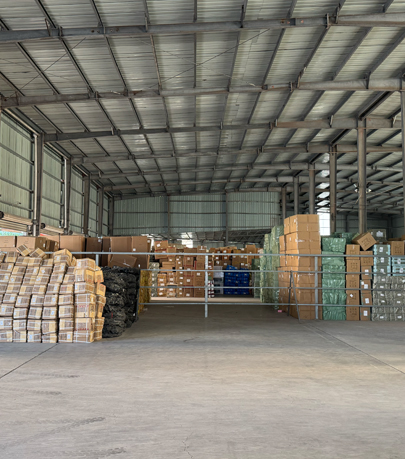
- Warehouse Storage: When you buy Yiwu items from ten different suppliers, you can’t have ten different trucks going to the port. An agent provides a central warehouse where all your orders are collected.
- Product Inspection: Before the final payment is made, your agent inspects the goods. They check if the colors are correct, if the electronics work, and if the packaging is sturdy enough for a long sea voyage.
- Container Loading: Professionals know how to pack a container to maximize space. This “Tetris-style” loading saves you thousands in shipping costs over time.
Shipping & Customs: Moving Your Goods
Once your goods are inspected and packed, they are ready for the export process. Yiwu has a very efficient system for international trade, but there are still several steps:
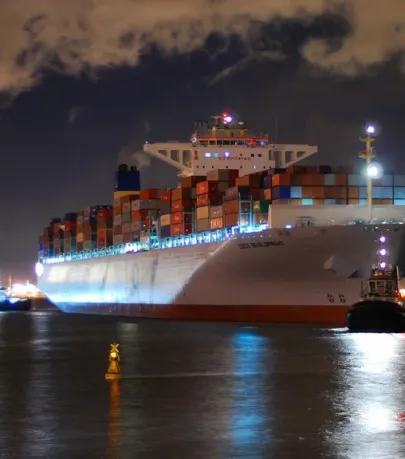
- Trucking to the Port: Most goods from Yiwu are trucked to the ports of Ningbo or Shanghai, which are the busiest in the world.
- Customs Clearance: You will need “Export Documents” from the Chinese side and “Import Documents” for your home country. A licensed agent handles the Chinese customs declaration so your goods don’t get stuck.
- Sea or Air Freight: For heavy Yiwu items, sea freight is the most cost-effective. If you are shipping small, high-value items like jewelry, air freight or international couriers (like DHL/FedEx) might be faster.
At Sum Up
The Yiwu International Trade City truly is a goldmine for international traders, offering a variety and price point that you simply won’t find anywhere else in the world. Whether you are looking for the best products from yiwu to launch a new brand or stocking up on high-volume daily necessities, the opportunities are endless.
However, success in Yiwu isn’t just about showing up; it’s about being prepared. By understanding the districts, following a step-by-step process, and working with the right local partners, you can turn a complicated sourcing trip into a highly profitable business move.
Let Us Help You Scale
Navigating 75,000 booths and managing international logistics can be a full-time job. You don’t have to do it alone. If you are ready to start sourcing high-quality yiwu items with zero stress, our team of China sourcing experts is here to help.
Contact us today for a consultation or a guided market tour, and let’s turn your sourcing goals into reality.
How Pioneer Group can help
First orders usually stall at the same points: minimum quantities, scattered suppliers and nobody on the ground. Pioneer covers the Yiwu side for orders from US$5,000, placing the order with factories and consolidating the goods into one shipment.
- Sourcing. Access to 5,000+ factories from an office in Yiwu, so you deal with the maker instead of a reseller.
- Quality inspection. Three stages, raw material, in production and pre shipment, with photo and video reports.
- Consolidation and freight-agent handover. Orders from multiple suppliers are received at our Yiwu warehouse, consolidated, and handed to the buyer’s nominated freight agent.
Commission is 3 to 5 percent by order quantity, paid by you and never by the factory, with no hidden markup on the goods. Minimum order value is US$5,000. We reply within 2 hours during China business hours, in English, Chinese, Arabic, Russian, Turkish or French.
Talk to us: WhatsApp +86 190 2577 9716, info@pioneergptrading.com, or the contact form.
Pioneer Group is a China sourcing agent based in Yiwu, China, helping wholesale and bulk buyers source, inspect and consolidate orders before handover to the buyer’s freight agent.