


Sourcing From China in 2026
China is now applying the same industrial strategies that helped it dominate global manufacturing to the agrifood sector, creating new opportunities for businesses engaged in sourcing from China.
According to recent analysis, China is developing specialized food production clusters, supporting large-scale national food manufacturers, and providing policy incentives to strengthen exports of processed foods, food ingredients, and value-added agricultural products.
For companies involved in buying from China, this shift signals growing opportunities in food manufacturing, packaging, ingredients, and food-related supply chains.
As China continues expanding beyond traditional manufacturing industries, the country is positioning itself as an increasingly important global supplier in advanced agrifood production.
Key Details of China’s Food Manufacturing Expansion
China’s new agrifood strategy follows the same successful approach previously used in sectors such as electronics, machinery, textiles, and industrial manufacturing.
Main Highlights
- Development of specialized agrifood manufacturing clusters
- Government support for selected national food companies
- Targeted subsidies and industrial policy support
- Expansion of processed food and ingredient exports
- Increased focus on quality control and export competitiveness
The strategy aims to improve manufacturing efficiency, production scale, and international market competitiveness across food-related industries.
China Is Building Specialized Food Production Clusters
One of the key elements of China’s strategy is the creation of concentrated food manufacturing zones.
This mirrors the model previously used to build:
- electronics hubs
- machinery production centers
- textile manufacturing regions
- industrial supply chain ecosystems
These specialized production clusters help improve:
- manufacturing efficiency
- logistics coordination
- supplier integration
- production scalability
For businesses sourcing products internationally, this often results in stronger supply chain reliability and more competitive wholesale pricing.
Government Support Strengthens Manufacturing Capacity
China is also supporting selected “national champion” companies within the food manufacturing industry.
These companies benefit from:
- financial incentives
- export support
- industrial subsidies
- infrastructure investment
- technology development assistance
This support allows manufacturers to improve:
- production capacity
- food safety standards
- packaging quality
- export compliance capabilities
For importers and wholesalers, stronger supplier support typically creates more stable long-term sourcing opportunities.
Why This Matters for Businesses Sourcing From China
The expansion of China’s agrifood manufacturing sector creates several potential advantages for businesses involved in sourcing from China.
Access to Competitive Food Products
Businesses may gain access to:
- processed foods
- packaged consumer products
- food ingredients
- private label food manufacturing
- export-ready packaged goods
China’s manufacturing scale can help keep pricing competitive while supporting large production volumes.
Better Supply Chain Reliability
China’s advanced manufacturing infrastructure helps support:
- efficient production scheduling
- stable inventory availability
- reliable export logistics
- scalable production capacity
This is particularly important as businesses continue prioritizing supply chain diversification and stability.
New Opportunities in Food-Related Industries
The growth of agrifood manufacturing also creates sourcing opportunities in:
- food packaging
- processing equipment
- labeling solutions
- industrial food machinery
- storage and logistics products
This allows businesses to source multiple related product categories through integrated supplier networks.
China Continues Diversifying Its Export Economy
China’s expansion into advanced food manufacturing reflects a broader trend of export diversification.
In addition to traditional manufacturing sectors, China is continuing to grow in:
- renewable energy
- robotics
- electric vehicles
- battery technology
- high-tech manufacturing
- food processing and agrifood exports
For global buyers, this creates access to a wider range of sourcing categories under one manufacturing ecosystem.
How Pioneer GP Trading Supports Sourcing From China
At Pioneer GP Trading, we help businesses simplify the process of sourcing from China through professional supplier sourcing and supply chain management.
Our services include:
- Supplier identification and factory matching
- Wholesale price negotiation
- Product customization support
- Quality inspections and factory audits
- Compliance and certification management
- Export logistics coordination
- Long-term supplier relationship development
We support businesses sourcing:
- processed food products
- food ingredients
- packaging materials
- industrial equipment
- consumer goods
- private label products
Our goal is to make buying from China efficient, reliable, and cost-effective.
Why This Is a Strategic Time for Buying From China
China’s expansion into agrifood manufacturing demonstrates continued innovation and industrial growth across multiple sectors.
Businesses that explore emerging sourcing categories early often benefit from:
- stronger supplier relationships
- competitive pricing opportunities
- stable production capacity
- long-term supply advantages
As China applies its proven manufacturing expertise to food production, international buyers may find significant opportunities in this growing sector.
Frequently Asked Questions About Sourcing From China
Is China expanding beyond traditional manufacturing?
Yes. China is increasingly investing in agrifood production, renewable energy, robotics, and other advanced industries.
Why is China’s food manufacturing growth important?
It creates new sourcing opportunities, improves supply chain reliability, and expands access to competitively priced food-related products.
Which products can businesses source from China’s agrifood sector?
Popular categories may include processed foods, food ingredients, packaging materials, food machinery, and private label products.
Can small businesses source food-related products from China?
Yes. Many suppliers support flexible production quantities and export-focused manufacturing services.
Internal Links
- https://yourwebsite.com/yiwu-sourcing-services
- https://yourwebsite.com/import-from-china-guide
- https://yourwebsite.com/china-shipping-agent
- https://yourwebsite.com/contact
External Sources & References
- https://www.agri-pulse.com/
- Related industry analysis on China’s agrifood export strategy and manufacturing expansion
How Pioneer Group can help
Food orders fail on the input long before the finished carton. We inspect raw material before production starts and send photo and video reports, so a problem surfaces while the line can still be stopped.
- Sourcing. Access to 5,000+ factories from an office in Yiwu, so you deal with the maker instead of a reseller.
- Quality inspection. Three stages, raw material, in production and pre shipment, with photo and video reports.
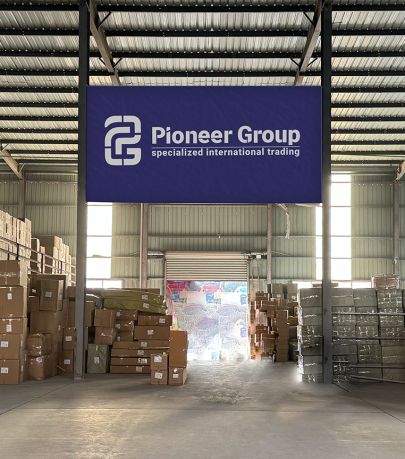
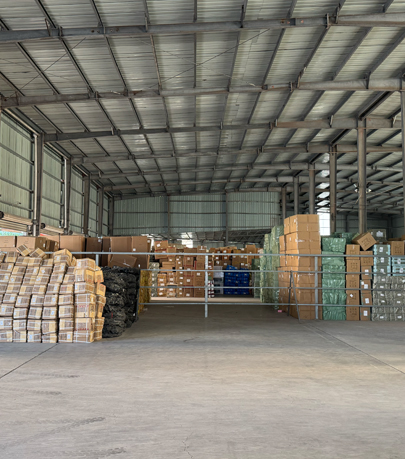
- Consolidation and freight-agent handover. Orders from multiple suppliers are received at our Yiwu warehouse, consolidated, and handed to the buyer’s nominated freight agent.
Commission is 3 to 5 percent by order quantity, paid by you and never by the factory, with no hidden markup on the goods. Minimum order value is US$5,000. We reply within 2 hours during China business hours, in English, Chinese, Arabic, Russian, Turkish or French.
Talk to us: WhatsApp +86 190 2577 9716, info@pioneergptrading.com, or the contact form.
Pioneer Group is a China sourcing agent based in Yiwu, China, helping wholesale and bulk buyers source, inspect and consolidate orders before handover to the buyer’s freight agent.
