💬 Contact WhatsApp 📞 Contact us Call Now

Yiwu Product Sourcing Guide: How to Find Profitable Wholesale Items

In the world of global trade, one city stands as the undisputed titan: Yiwu. Home to the Yiwu International Trade City, this 5.5-million-square-meter ecosystem dictates the inventory of Amazon storefronts and retail chains across 200 countries. For the modern entrepreneur, Yiwu product sourcing is the ultimate competitive advantage offering high-margin, high-volume daily necessities that are the backbone of retail.

This guide is your tactical roadmap, designed to transform a chaotic labyrinth of 75,000 booths into a streamlined, profitable supply chain.

What You Will Master in This Guide:

  • The Blueprint: A strategic floor-by-floor breakdown of all 5 Districts.
  • The Winners: Data-driven insights into the best products from Yiwu for 2026.
  • The Process: A step-by-step workflow from initial negotiation to quality control.
  • The Logistics: Navigating shipping, consolidation, and the role of a Yiwu agent.
  • Risk Mitigation: Professional tips to avoid common pitfalls and “quality fade.”

Whether you’re a veteran importer or a first-time buyer, let’s dive into how you can turn Yiwu’s massive scale into your brand’s biggest asset.

The Strategic Shift: Why Sourcing in 2026 Requires Yiwu

As supply chains become more fragmented and digital-first, the ability to physically verify quality and negotiate face-to-face has become a luxury that yields massive ROI.

  • The “Alibaba Fatigue”: Many online buyers are finding that digital platforms are saturated with middle-men. Yiwu offers direct access to factory showrooms.
  • Agility: In the age of TikTok trends, Yiwu’s supply chain is the fastest in the world at moving from “concept” to “container.”
  • Consolidation: Unlike other industrial hubs in China that specialize in one niche (e.g., furniture in Foshan), Yiwu allows you to source 50 different product categories in a single square mile.

Before diving into the specifics of Yiwu, it’s vital to understand the macro-logistics of the Chinese market. For a broader perspective, see our [Importing From China Guide: The Definitive Resource for Global Traders].

Why Yiwu? Understanding the Ecosystem 

To master Yiwu product sourcing, one must first understand the unique DNA of this market. It operates differently than the Canton Fair or the specialized factories of Ningbo.

Yiwu vs. The Rest of China

Feature Yiwu International Trade City Canton Fair (Guangzhou) Alibaba / Online
Availability Open 365 days a year (except CNY) Twice a year (Spring/Fall) 24/7 Digital
MOQ Low (Carton-level) High (Container-level) Variable (Often high for OEM)
Variety Small Commodities / General Merch High-tech / Heavy Industrial Unlimited but unverified
Best For E-commerce, Wholesalers, Retail Big Brand Procurement Dropshipping / Small Tests


The “Permanent Exhibition” Concept

Unlike traditional trade fairs that last five days and focus on “show-stopping” prototypes, the booths in Yiwu are permanent showrooms for real factories. When you walk into a booth in District 1, you aren’t talking to a temporary sales rep; you are often talking to the factory owner’s family or a dedicated regional distributor. This permanence builds trust and allows for long-term relationship building the “Guanxi” that is essential for getting the best products from yiwu at the lowest possible rates.

Macro-Economic Impact

Yiwu is the starting point of the “New Silk Road.” The Yiwu-Madrid railway line is the longest train journey in the world, linking Chinese production directly to European consumers. This logistics infrastructure ensures that when you source from Yiwu, you aren’t just buying a product; you are plugging into a global distribution network that is optimized for speed and cost-reduction.

Expert Insight: Many buyers mistake Yiwu for a place only for “cheap” goods. This is a misconception. In 2026, Yiwu has pivoted toward “Value-for-Money.” You can find high-end, eco-friendly, and technologically integrated small commodities if you know which districts to prioritize.

Learn the fundamentals of logistics and customs in our [Importing from China guide].

Strategic Geography: Navigating the 5 Districts 

The Yiwu International Trade City (Futian Market) is a massive “U” shaped complex. Walking it without a plan is the biggest mistake new importers make. Each district is connected by pedestrian bridges, but the sheer distance means you should dedicate at least half a day to a single district.

District 1: The Creative Engine (Toys, Jewelry, and Decor)

District 1 is the oldest and most famous section. It is the heart of the “Small Commodity” world and usually the most crowded.

  • 1st Floor (Toys & Flowers): This floor is divided into common toys, inflatable toys, and high-end electronic toys. If you are sourcing for a toy store, pay attention to the “Artificial Flower” section as well it is a massive industry for wedding planners and home decor brands.
  • 2nd Floor (Jewelry & Hair Ornaments): This is where you find the best products from Yiwu for high-margin e-commerce. You can find earrings and hair clips for as low as $0.05, which retail for $10+ on platforms like Etsy or TikTok Shop.
  • 3rd Floor (Ornament Accessories): Focuses on the raw materials for jewelry.
  • 4th Floor (Manufacturer Outlets): This is where “Christmas Village” lives. Every year, millions of ornaments and trees are shipped from here to every corner of the globe.

District 2: Functional Goods (Hardware, Tools, and Electronics)

District 2 is built for the “utility” buyer. The atmosphere here is more industrial and professional.

  • 1st Floor (Suitcases, Bags, and Umbrellas): From luxury-style leather handbags to heavy-duty trekking backpacks. Yiwu is particularly famous for its umbrella manufacturing hub.
  • 2nd Floor (Hardware Tools & Electrical Products): A must-visit for construction suppliers. You’ll find everything from power drills to high-quality locks and security systems.
  • 3rd Floor (Kitchenware & Home Appliances): This is a booming sector for Yiwu product sourcing. Modern, aesthetic kitchen gadgets that solve specific problems (like specialized vegetable slicers) are top performers on Amazon FBA.
  • 4th & 5th Floors: Dedicated to large-scale export agencies and high-end specialized showrooms.

District 3: The Professional Hub (Stationery and Beauty)

If you are in the office supply or beauty industry, District 3 is your headquarters.

  • 1st Floor (Eyewear & Stationery): Tens of thousands of sunglasses and optical frames. The stationery section is vast, covering everything from simple pens to luxury leather journals.
  • 2nd Floor (Sporting Goods & Office Supplies): Fitness is a massive trend. Resistance bands, yoga mats, and home gym equipment are found here in abundance.
  • 3rd Floor (Cosmetics & Beauty Salon Equipment): From makeup brushes to professional-grade hair styling tools.
    • Note: Ensure you check for safety certifications (like MSDS) when sourcing liquid-based cosmetics.

District 4: The Textile & Daily Necessity Powerhouse

District 4 is where you find the items people use every single day. It is the core of the “General Merchandise” trade.

  • 1st Floor (Socks & Hosiery): Yiwu produces enough socks annually to provide several pairs for every person on earth. The prices here are unbeatable.
  • 2nd Floor (Daily Necessities & Grocery Items): Think toothbrushes, soap dispensers, and cleaning supplies.
  • 3rd Floor (Sewing Thread, Tape, and Lace): Essential for textile manufacturers.
  • 4th Floor (Belts, Scarves, and Bras): High-volume fashion basics.

District 5: The Modern Frontier (Automotive & International)

The newest and most modern district. It feels more like a high-end shopping mall than a traditional wholesale market.

  • 1st Floor (Imported Commodities): This is where China buys goods from the rest of the world (African art, European wine, etc.).
  • 2nd & 3rd Floors (Bedding & Fabrics): Massive showrooms for curtains, linens, and hotel-grade bedding.
  • 4th Floor (Auto & Motorcycle Accessories): A high-growth area for Yiwu product sourcing, covering everything from car floor mats to LED headlight conversion kits.

Beyond Futian: Specialized Markets

While the International Trade City is the main attraction, two other locations are vital for specific buyers:

  1. Huangyuan Clothing Market: If you are looking for apparel (jeans, shirts, children’s wear), this 8-story building is separate from Futian and is the primary hub for fashion.
  2. Yiwu Night Market (Santing Road): This isn’t for bulk wholesale, but it is excellent for “market research.” You can see which items are trending among local consumers and pick up single samples of new products.

Identifying Profitable Yiwu Products 

What Makes a “Yiwu Product”?

Experienced traders follow the “LHS” rule to ensure their Yiwu product sourcing efforts yield high margins:

  1. Low Production Cost: Items typically ranging from $0.10 to $5.00.
  2. High Turnover: Daily necessities or trendy items that consumers buy frequently.
  3. Small Volume/Weight: Products that are easy to pack in “mixed containers” and cost-effective to ship via air or sea.

Top 10 Trending Categories & Profit Analysis

Based on 2026 market data, these are the best products from Yiwu for international resale:

Product Category Estimated Yiwu Cost Avg. Retail Price (Global) Est. Profit Margin Why it’s Winning in 2026
Eco-Friendly Stationery $0.40 – $1.20 $8.00 – $15.00 600% – 800% Shift toward biodegradable wheat straw pens & notebooks.
Smart Pet Accessories $2.50 – $7.00 $25.00 – $45.00 400% – 600% LED collars and app-connected slow feeders are peaking.
Home Fitness Gear $1.50 – $5.00 $15.00 – $35.00 300% – 500% Resistance bands and portable Pilates bars remain staples.
Aesthetic Kitchenware $0.80 – $3.00 $12.00 – $25.00 400% – 700% Silicone “problem-solver” gadgets (collapsible bins, etc.).
Sensory & Educational Toys $0.60 – $2.50 $10.00 – $20.00 500% – 700% Montessori-style wooden toys and sensory “fidget” tools.
Personal Wellness Tech $3.00 – $10.00 $30.00 – $80.00 600% – 900% Portable scalp massagers and facial steamers.
Sustainable Home Decor $1.20 – $5.00 $15.00 – $40.00 400% – 800% Macramé wall hangings and recycled glass vases.
Phone & Tech Accs $0.20 – $1.50 $10.00 – $25.00 1000%+ Magsafe-compatible grips and trendy “puffy” cases.
Outdoor/Camping Gear $2.00 – $8.00 $20.00 – $60.00 400% – 700% Ultra-lightweight camping lanterns and solar chargers.
Beauty Tool Sets $0.50 – $2.00 $12.00 – $30.00 800%+ Micro-needle rollers and specialized makeup brush kits.


Seasonal Sourcing: The World’s Holiday Engine

Yiwu is famously known as the “Christmas Capital of the World,” but its seasonal dominance extends much further.

  • The Christmas Village (District 1, 4th Floor): Over 60% of the world’s Christmas decorations are produced here. To source these profitably, you must place orders between April and June for Q4 delivery.
  • The Halloween Surge: Yiwu has surpassed traditional hubs for Halloween decor, specializing in “Smart Decor” LED-integrated pumpkins and app-controlled spooky lighting.
  • Party & Festival Supplies: From Brazil’s Carnival to India’s Diwali, Yiwu factories customize production for every major global cultural event.

To understand exactly how a professional partner can protect your investment, read our specialized [Yiwu Agent Guide: The Ultimate Resource for China Sourcing].

The “Viral” Factor: Sourcing for TikTok and Instagram

In 2026, the fastest way to grow an e-commerce brand is to catch a product “viral cycle.” Yiwu is the only market fast enough to keep up.

How to spot a viral-ready product:

  1. Visual “Wow” Factor: Can the product’s function be demonstrated in a 10-second silent video? (e.g., a stain remover that works instantly).
  2. Satisfying Aesthetics: Products that fit the “Clean Girl” or “Minimalist Home” aesthetic often trend on Pinterest and Instagram.
  3. The “Genius” Label: Items that solve a niche problem people didn’t know they had (e.g., a specialized cleaner for AirPods).

Pro Tip: Look for the “New Arrivals” section in District 1 and 3. Suppliers often display prototypes there before they hit Alibaba. If you find it first, you own the market.

To master Yiwu product sourcing, you need a logistical blueprint that treats the market like a military operation. In a landscape of 75,000 booths, “winging it” leads to exhaustion; following a phase-based system leads to profit.


The Logistics of Sourcing: A Step-by-Step Blueprint 

Successfully navigating the Yiwu ecosystem requires a transition from a “shopper” mindset to a “procurement officer” mindset. Here is the professional workflow for a successful sourcing trip.

Phase 1: Pre-Trip Preparation (The Foundation)

Efficiency starts before you even land in China. Because Yiwu is an inland city, your travel strategy dictates your energy levels for the market.

  • Visa Requirements: You will typically need a Business Visa (M Visa). To obtain this, you need an invitation letter, which a professional Yiwu agent or your supplier can provide.
  • The Route: * Fly to Yiwu (CXY): Limited international flights, but very convenient.
    • Via Shanghai (PVG): The most common route. Take the high-speed rail from Shanghai Hongqiao Station to Yiwu (approx. 1.5 to 2 hours).
    • Via Hangzhou (HGH): The closest major international airport (approx. 40 minutes by high-speed rail).
  • Digital Essentials: Install WeChat (essential for communication), a reliable VPN, and Alipay (linked to your international card) for local payments.


Phase 2: The Showroom Hustle (The Information Gathering)

Walking into the Futian Market for the first time is overwhelming. Professionals use the “Scan and Shortlist” method.

  • The “One-Card” Rule: Every booth has a business card. Never leave a booth you like without one.
  • The Power of the Photo: Use your phone to take three photos for every product of interest:
    1. The product itself (close-up).
    2. The product with the price/specs written on a notepad.
    3. The booth number/signage (to find your way back).
  • Note-Taking Essentials: Always ask and record the MOQ (Minimum Order Quantity), EXW Price, Lead Time, and Packaging Details. In Yiwu, the “standard” price is often for a full carton; buying “loose” items will increase the unit cost.


Phase 3: Sample Consolidation (The Sorting Hat)

One of the biggest challenges in Yiwu product sourcing is managing samples from dozens of different suppliers.

  • The Logistics of Samples: Do not carry samples with you. Most suppliers will offer to send samples to your hotel or your agent’s warehouse.
  • Consolidation: This is where an agent is vital. They will collect 20–50 different packages, unbox them, and help you review them in a single session. This allows you to compare quality side-by-side from different vendors before committing to a bulk order.
  • Labeling: Ensure every sample is tagged with the supplier’s name and the agreed-upon price.


Phase 4: Order Placement & The “Order Note” (The Closing)

In Yiwu, the “Order Note” is your primary contract. It is a simplified invoice that carries significant weight in local trade.

  • The Deposit System: The standard in Yiwu is a 30% deposit to begin production, with the remaining 70% balance due after inspection but before the goods leave the warehouse.
  • The Order Note Details: Ensure the note includes:
    • Detailed product specifications (Material, Color, Weight).
    • Packaging requirements (important for Amazon FBA).
    • Agreed delivery date.
    • The “Red Stamp” (Chopped): In China, an official company stamp makes the document legally binding.
  • Payment Logistics: While you can pay small deposits in cash (RMB), large balances should be handled via T/T (Telegraphic Transfer) through your agent’s escrow or company account to ensure a paper trail for customs.

Pro Tip: Never pay the 70% balance until your agent has physically inspected the goods in the warehouse. Once the money leaves your hands, your leverage for fixing quality issues disappears.

To truly master Yiwu product sourcing, you must understand the financial mechanics that drive the market. The pricing structure in Yiwu is unique; it is a high-volume, low-margin environment where even a few cents’ difference in unit price can determine the success of your retail venture.

Financials: Pricing, Payments, and Negotiation

The “Yiwu Price” vs. “Alibaba Price” 

Many buyers ask: “Why fly to China when I can just use Alibaba?” The answer lies in the On-the-Ground (OTG) Price.

  • The Alibaba Premium: Prices on Alibaba often include a “convenience fee,” marketing costs, and the platform’s commission. Furthermore, many Alibaba sellers are trading companies, not factories.
  • The Yiwu Reality: In the Futian Market, you are dealing with factory-direct showrooms. The “Yiwu Price” is typically 10% to 30% lower than the listed Alibaba price.
  • Negotiation Leverage: Face-to-face negotiation allows you to discuss “tier pricing.” In Yiwu, the price isn’t just about the product; it’s about the relationship (Guanxi) and the potential for repeat business.

Understanding MOQs: A Friendly Landscape for Small Businesses

One of Yiwu’s greatest strengths is its low Minimum Order Quantity (MOQ). While factories in industrial hubs like Shenzhen might demand 5,000 units, a Yiwu booth owner will often sell as little as one standard carton (e.g., 24, 48, or 60 pieces).

  • Why are MOQs lower? Yiwu suppliers keep “ready stock.” Because they serve a global market of small-to-medium wholesalers, they are set up to move inventory quickly in smaller increments.
  • The “Mixed Container” Strategy: This low MOQ allows you to source 20 different products to fill a single container, diversifying your risk without needing millions in capital.

Payment Methods: Navigating the Flow of Money

Paying for goods in Yiwu requires a mix of traditional and local methods.

  1. Cash (RMB): Common for small sample fees or immediate stock purchases. Note that carrying large amounts of cash is not recommended for security and legal reasons.
  2. T/T (Telegraphic Transfer): The standard for bulk orders. You send USD or EUR to a bank account, which is then converted.
  3. The Agent’s Role (Escrow): Most professional buyers pay their Yiwu Sourcing Agent. The agent holds the funds and only pays the supplier after the goods have passed inspection. This acts as a vital safety net for your capital.

Currency Risks: Managing the USD to RMB Exchange

The Chinese Yuan (RMB) can be volatile. When you are quoted a price in Yiwu, it is almost always in RMB.

  • The Floating Quote: Since your selling currency is likely USD, EUR, or GBP, a sudden shift in exchange rates can eat into your margins.
  • Locking in Rates: Experienced traders often use “forward contracts” or work with their agents to pay deposits quickly when the rate is favorable. Always factor in a 3% currency buffer when calculating your landed cost.


Quality Control & Risk Management 

The Common Pitfalls: Protecting Your Investment

Even with the best intentions, the gap between a showroom sample and a mass-produced order can be wide. Understanding the common “traps” is the first step in avoiding them.

  • The “Quality Fade”: This is the most common issue in high-volume manufacturing. To save on costs, a factory might subtly swap materials—for example, using a thinner gauge of plastic or a lower-grade alloy than what was shown in the initial sample.
  • Quantity Shortages: In a shipment of 10,000 units, it is easy for a supplier to be “short” by 100 or 200 pieces. Without a formal count during loading, you have no recourse once the container is sealed.
  • Packaging Discrepancies: Many Yiwu products come in “generic” Chinese packaging. If you are an Amazon FBA seller, failing to ensure your barcodes (FNSKU) and “Made in China” labels are correctly applied can lead to expensive rejection at the fulfillment center.

Third-Party Inspections & AQL Standards

You should never authorize the final 70% payment until a physical inspection has been conducted. Professionals use the AQL (Acceptable Quality Limit) standard to determine if a batch is shippable.

  • When to Inspect: For new suppliers, a “During Production” check is wise. For established suppliers, a “Pre-Shipment Inspection” (PSI) once 80% of the goods are packed is mandatory.
  • The Checklist: A professional inspector (or your Yiwu Sourcing Agent) will check:
    • Functionality: Does the product work as intended?
    • Workmanship: Are there scratches, frayed threads, or glue marks?
    • Drop Tests: Checking if the retail packaging survives standard shipping stress.
    • Weight & Measurement: Ensuring the dimensions match your shipping manifest to avoid extra freight charges.

Compliance & Certifications: Meeting US/EU Standards

A common mistake in Yiwu product sourcing is assuming that because a product is “available,” it is “legal” to sell in your home country.

  • Electronics (CE, RoHS, UL): If you are importing gadgets to Europe or the US, these certifications are non-negotiable. Many Yiwu booths have these certificates, but you must verify their authenticity via the issuing laboratory’s database.
  • Children’s Products (CPC, ASTM, EN71): Toys are the most heavily regulated category. Ensure the materials are lead-free and phthalate-free.
  • Food Contact Items (FDA, LFGB): Anything that touches food from silicone spatulas to lunchboxes must meet strict chemical migration standards.

Expert Warning: If a supplier tells you, “The certificate is coming soon” or “We follow the standards but don’t have the paper,” do not buy. Customs officials in the US and EU have become increasingly strict in 2026; without the proper paperwork, your goods will be destroyed at the border.

Shipping and Fulfillment 

The Inland Challenge: Yiwu to the Coast

Yiwu is located inland, meaning every shipment must first travel to a major port. Typically, this means trucking goods to Ningbo Port (the closest) or Shanghai Port.

  • Trucking Logistics: Your agent or freight forwarder will coordinate the “first mile” transport.
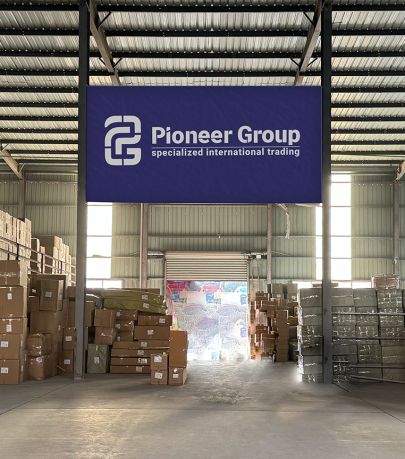
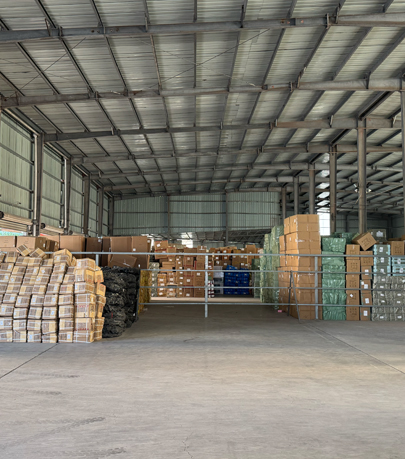
  • Warehousing: Since you will likely buy from multiple booths, you need a central place to store goods until the entire shipment is ready.

Consolidation Services: The Key to Profitability

This is where Yiwu product sourcing becomes truly scalable. Instead of paying for 20 separate, expensive international shipments, you use Consolidation.

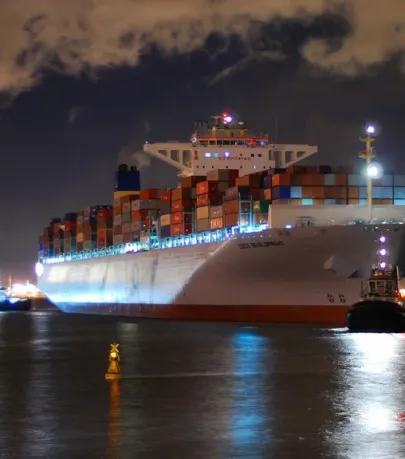
  • The Process: Your agent collects boxes from different districts, verifies the quantities, and stuffs them into a single 20ft or 40ft container.
  • Cost Savings: Consolidation can reduce your total shipping costs by up to 40% compared to shipping individual LCL (Less than Container Load) lots.

Shipping Methods: Choosing the Right Lane

Method Speed Cost Best For
Sea Freight (FCL/LCL) 30–45 Days Lowest Bulk orders, heavy items, and maximum profit.
Air Freight 5–10 Days Highest High-value electronics, jewelry, or urgent restocks.
China-Europe Railway 15–20 Days Medium European buyers looking for a balance of speed and cost.

Customs Brokerage: The Paperwork Trail

Every product leaving China requires an export license. Many small Yiwu factories do not possess their own. A professional sourcing partner will handle the “Export Declaration” and ensure all HS Codes are correct to avoid delays or fines at your local customs.

The Value of a Yiwu Sourcing Agent 

While the market is “open,” it is not always “easy.” A Yiwu Sourcing Agent acts as your eyes, ears, and hands on the ground.

The “Invisible” Work

An agent does more than just translate. Their value lies in:

  • Translation & Negotiation: Bridging the cultural gap to get “local” prices.
  • Warehousing: Providing a free or low-cost space to consolidate goods.
  • Blind Shipping: If you are a dropshipper or wholesaler, they can ship directly to your customers without revealing the factory source.

Fee Structures: What’s Fair?

  • Percentage-Based: The industry standard is 3% to 10% of the total purchase value. The lower the commission, the more likely the agent is making money elsewhere (like kickbacks from factories).
  • Flat Fee: Better for very large, consistent orders.

How to Vet an Agent: Red Flags

  1. The “Free” Agent: If they don’t charge a fee, they are taking a large “rebate” from the factory, which means you aren’t getting the best price.
  2. Lack of Warehouse: A legitimate agent must have their own or a contracted warehouse in Yiwu.
  3. Communication Speed: If they take 48 hours to reply, they will be too slow for the fast-paced Yiwu market.


Digital Sourcing: Yiwugo and Beyond 

Can’t fly to China? You can still access the market through Yiwugo.com, the official online platform for the International Trade City.

How to Source Remotely

  • Virtual Tours: Yiwugo allows you to see 360-degree views of many booths.
  • Direct Contact: You can find WeChat IDs and phone numbers for booth owners.

The Limitations of Online Platforms

  • Hidden Quality: You cannot “feel” the material or check the build quality through a screen.
  • Inventory Issues: Online listings are often outdated. A product shown as “in stock” might have been discontinued months ago.
  • The Trust Gap: It is significantly harder to negotiate MOQs and prices over a chat app than it is in person.

To wrap up this definitive guide, we focus on the practicalities of your visit and a final summary to ensure you are fully prepared for the world’s largest marketplace.


Essential Travel Tips for Importers

Preparation is the difference between a productive business trip and an exhausting holiday. Here is how to navigate Yiwu like a professional.

The Best Time to Visit

Timing is everything in Chinese trade.

  • Avoid Chinese New Year (CNY): The market shuts down completely for 2–3 weeks (usually in late January or February). Factories often stop production weeks before this.
  • Golden Weeks: Avoid the first week of October (National Day).
  • The Sweet Spot: April to June and September to November are the best windows. The weather is mild, and the market is in full “export mode” for the upcoming holiday seasons.

Accommodation Recommendations

Stay as close to the Yiwu International Trade City as possible to minimize travel time.

  • Luxury: The Shangri-La Hotel, Yiwu (located in the World Trade Center) is the premier choice for business travelers.
  • Business Class: The Marriott Yiwu or Yourworld International Conference Center offer excellent amenities and are within minutes of the market districts.
  • Budget-Friendly: Numerous “Business Hotels” surround District 1 and 2, offering clean, affordable rooms for around $40–$60 per night.

Digital Survival Tools

The “Great Firewall” and language barrier can be hurdles. Download these before you land:

  • WeChat: Non-negotiable. It is your phone, your wallet, and your primary communication tool with every supplier.
  • Alipay: Essential for paying for taxis, meals, and small samples.
  • Pleco or Google Translate: Use the “camera” feature to translate signs and business cards instantly.
  • A Reliable VPN: Required to access Google, WhatsApp, and most Western social media.


In Conclusion

The Yiwu Advantage: A Final Word

Yiwu product sourcing offers an unrivaled competitive edge: the ability to source diverse, low-cost, and high-margin products under one roof. While the sheer scale of 75,000 booths can be daunting, following the strategic geography of the five districts and utilizing a professional agent transforms this market into a well-oiled machine for your business growth.

In 2026, the winners in retail are those who move fast, verify quality, and maintain a physical pulse on their supply chain. Yiwu is where that happens.

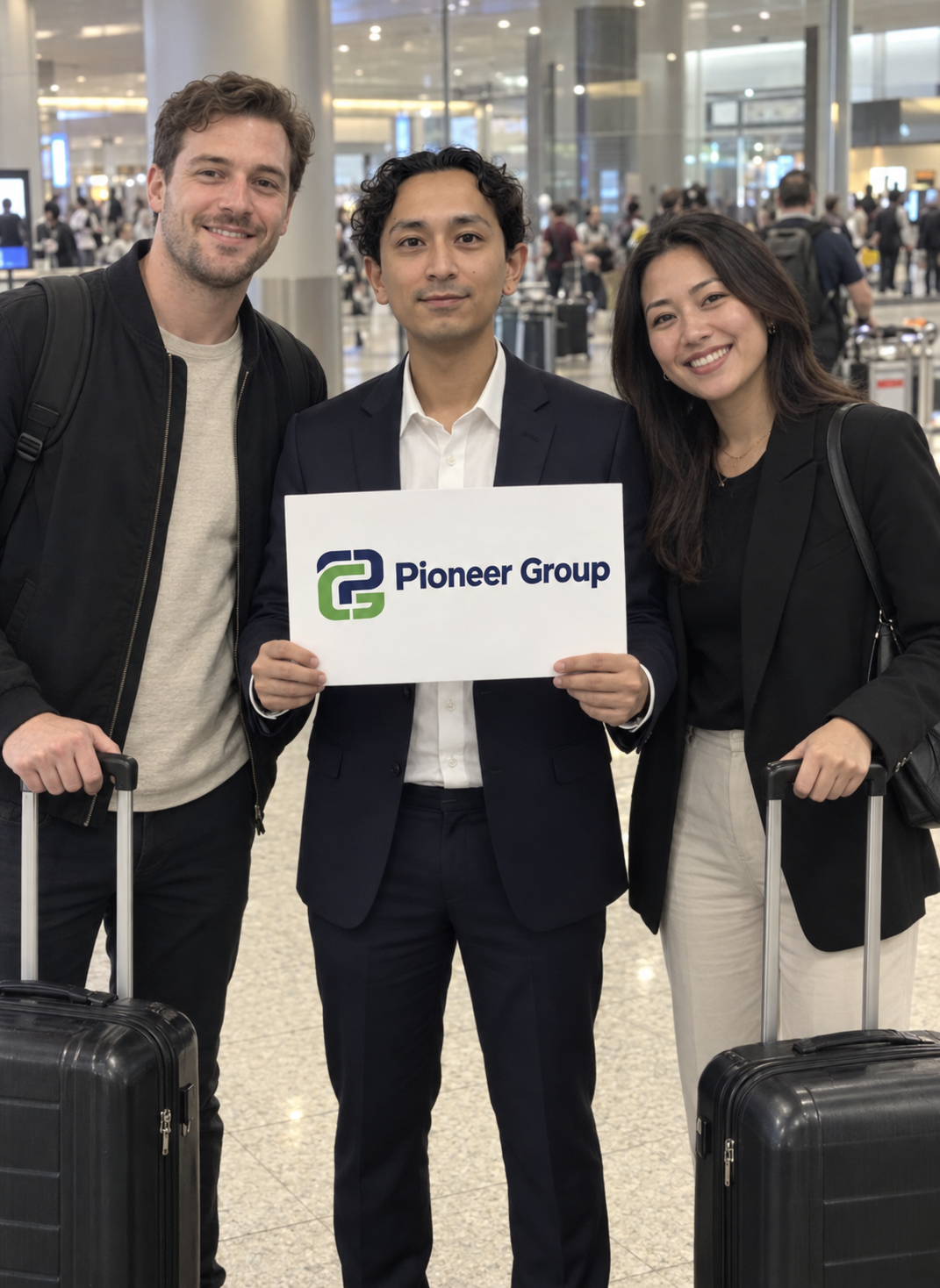
Navigating Yiwu alone can be a $10,000 mistake. Our team of expert Yiwu Sourcing Specialists provides end-to-end support from picking you up at the airport to loading your container and ensuring every item is inspected.

[Contact Our Experts Today] to start your journey to a more profitable supply chain.


Leave a Comment