
The global supply chain begins and ends in China. For the modern entrepreneur, the allure is undeniable: access to the world’s most sophisticated manufacturing hubs, unparalleled product variety, and profit margins that simply cannot be matched elsewhere. However, for many international traders, the Great Wall isn’t just a historical landmark it is a metaphorical barrier of language gaps, fragmented logistics, and the high-stakes risk of quality inconsistency. This Importing From China Guide will help you navigate these challenges.
Success in the “World’s Factory” is rarely a matter of luck. It is the result of a calculated strategy that separates those who simply “buy products” from those who build sustainable, high-margin supply chains. Whether you are a seasoned wholesaler looking to optimize costs or an e-commerce brand scaling toward your first full container, the journey from a factory floor in Yiwu to your local warehouse is paved with critical decisions that can either multiply your capital or vanish it.
In this Importing From China Guide, we pull back the curtain on the world’s largest primary wholesale market. We will explore the specialized ecosystems of the Yiwu International Trade City, break down the technical nuances of international shipping and Incoterms, and provide a masterclass in risk mitigation and quality control. By the end of this resource, you will possess a professional roadmap for navigating the complexities of the Chinese market, ensuring your next shipment isn’t just a delivery, but a competitive advantage.
Why Yiwu? The Heart of Global Small Commodities
While China is home to several massive manufacturing hubs, Yiwu occupies a unique position in the global trade ecosystem. To understand why seasoned traders prioritize this city over others, one must look at the specific infrastructure designed solely for the international export of “small commodities” the everyday goods that power retail and e-commerce globally.
Scale vs. Specialization: Comparing Yiwu to Guangzhou and Shenzhen
Navigating China requires understanding regional specializations. Unlike other hubs that focus on heavy industry or high-end tech, Yiwu is built for the “General Merchandise” trader.
- Shenzhen: Known as the “Silicon Valley of Hardware,” it is the go-to for high-tech electronics and components. However, the barrier to entry is high, and product life cycles are rapid.
- Guangzhou: A powerhouse for fashion, textiles, and high-end furniture. While diverse, the markets are often scattered across the city, making consolidated sourcing a logistical challenge.
- Yiwu: It offers the world’s largest concentrated wholesale market. Imagine a permanent trade fair where 75,000+ booths are organized by category under one roof. It is the global epicenter for jewelry, toys, household items, and seasonal decor.
How to Import from China: A Step-by-Step Framework
Importing is not a game of guesswork; it is a process of validation. To move from a casual buyer to a professional importer, you must follow a structured framework that balances market demand with legal safety.
This Importing From China Guide aims to provide you with essential insights and strategies.
Identifying Your Niche and Product Validation
Before you spend a single dollar on inventory, you must prove that your product has a “right to win” in your home market. Professional traders use a data-first approach to avoid the “dead stock” trap.
- Using Data to Pick Winning Products: Gone are the days of choosing products based on “gut feeling.” Use tools like Helium 10 or Jungle Scout for Amazon, or Google Trends for general retail, to analyze search volume, seasonal spikes, and competitor sales velocity. Look for “high demand, low competition” pockets specifically products with a high “improvement potential” based on negative customer reviews of existing brands.
- Compliance Standards: The Gatekeepers of Trade: One of the most common reasons shipments are seized at customs is a lack of certification. You must ensure your Chinese manufacturer can provide the specific documents required for your region:
- CE (Europe): Mandatory for electronics, toys, and machinery.
- FDA (USA): Crucial for anything that touches food, skin, or medical use.
- RoHS: Restricts hazardous substances in electronic equipment.
- CPC (USA): Essential for children’s products.
Learn More about Importing From China Guide: The Definitive Resource for Global Traders
Finding the Right Suppliers: Online vs. Offline
Where you find your supplier often dictates the scale and price of your business. There are two primary paths: the digital screen and the physical market floor.
Digital Sourcing: The Big Three Platforms
- Alibaba: The undisputed giant. Best for a wide range of suppliers, from small trading companies to massive factories. Use “Trade Assurance” to protect your payments.
- Global Sources: Generally features higher-tier, more established manufacturers. It is the preferred platform for electronics and specialized hardware.
- Made-in-China: Often overlooked, but excellent for heavy machinery, construction materials, and industrial components.
Physical Sourcing: The Yiwu International Trade Market Advantage
While online platforms offer convenience, they cannot compete with the physical transparency of the Yiwu market.
- Tactile Verification: You can touch the fabric, test the plastic’s durability, and check the hinge of a toy in real-time.
- Relationship Building: In Chinese business culture (Guanxi), meeting a supplier face-to-face often unlocks “hidden” pricing and better payment terms that are never offered over a chat app.
- Consolidation Hub: In Yiwu, you can walk 100 meters and visit 50 different suppliers for 50 different products. This allows you to build a diverse product line under one shipment a logistical nightmare if attempted solely through Alibaba.
Navigating the Yiwu International Trade City (The “Futian” Market)
The Yiwu International Trade City, locally known as the Futian Market, is a sprawling complex that stretches over 5 million square meters. It is not just a market; it is a meticulously organized industrial ecosystem divided into five main districts. Navigating this labyrinth requires a strategic plan, as each district caters to specific industries and buyer profiles.
The 5 Districts Overview: A Breakdown of What to Find Where
To the uninitiated, the Futian Market can be overwhelming. Each district consists of multiple floors, with thousands of showrooms (booths) displaying millions of product variations. The key to efficiency is knowing exactly which district aligns with your business niche.
- Districts 1 & 2: These are the “heart” of the export market, focusing on high-volume consumer goods and hardware.
- District 3: The creative and personal care hub.
- Districts 4 & 5: Where you find daily essentials, textiles, and even international imported goods.
Expert Insight Table: The Strategic Buyer’s Guide
The following table serves as your primary reference for planning your sourcing route. Understanding these categories will save you days of unnecessary walking.
| District | Main Categories | Target Buyer Type | Expert Sourcing Tip |
| District 1 | Toys, Jewelry, Artificial Flowers, Ornaments | E-commerce Sellers, Gift Shops, Event Planners | Look for “Market Direct” booths for the lowest MOQs on jewelry. |
| District 2 | Electronics, Tools, Hardware, Kitchenware, Clocks | Wholesalers, Hardware Stores, Home Improvement Brands | Check for CE/UL certifications specifically in the electronics wing. |
| District 3 | Stationery, Cosmetics, Apparel Accessories, Zippers/Buttons | School Suppliers, Beauty Brands, Fashion Designers | High concentration of OEM (Private Label) opportunities for beauty brands. |
| District 4 | Hosiery, Belts, Daily Necessities, Sewing Supplies | Bulk Importers, Discount Stores, Supermarket Chains | This district is massive; focus on the specialized “Belt & Hosiery” streets. |
| District 5 | Imported Goods, Textiles, Pet Supplies, Auto Parts | Specialized Retailers, Pet Shop Owners, Car Mod Shops | Best area for finding specialized pet tech and high-quality car accessories. |
Pro-Traveler’s Strategy: Beyond the Booths
Each district isn’t just about products; they are equipped with full-service logistics centers, banks, and customs offices. When you find a product you like in District 1, you can often find a shipping agent in the same building to give you a rough quote to your home port on the spot.
China Import Guide: Logistics, Customs, and Shipping
Sourcing a great product is only half the battle. The real test of a “Senior Specialist” is getting that product from a warehouse in Yiwu to your doorstep without surprise fees or customs delays. In 2026, logistics is more than just moving boxes; it is about strategic cost management.
Mastering Incoterms (EXW, FOB, CIF, DDP)
Incoterms (International Commercial Terms) define the exact point where the risk and cost shift from the seller to the buyer. Choosing the wrong one can lead to massive hidden port fees or uninsured losses at sea.
- EXW (Ex Works): You are responsible for everything from the moment the goods leave the factory door. Unless you have a highly experienced local agent, this is often too complex for beginners.
- FOB (Free On Board): The Gold Standard for New Traders. The supplier is responsible for all costs (trucking, export licenses, port fees) until the goods are loaded onto the ship. Once the “crane lets go” of the container, the responsibility shifts to you. This gives you control over the main freight costs while leaving local Chinese bureaucracy to the supplier.
- CIF (Cost, Insurance, and Freight): The seller pays for the freight and insurance to your destination port. Beware: “Hidden” arrival fees at your local port can sometimes be 3x higher than the actual freight cost.
- DDP (Delivered Duty Paid): The “Amazon-style” experience. The seller handles everything, including customs and taxes. While convenient, it is often the most expensive option and offers the least transparency.
Shipping Methods for Every Budget
Your choice of transport depends on your “Value-to-Weight” ratio and your deadline.
LCL vs. FCL: Maximizing Container Space
- LCL (Less than Container Load): Your goods share a container with other traders. You pay only for the cubic meters (CBM) you use. It is ideal for testing new products from Yiwu but carries a slightly higher risk of damage due to extra handling.
- FCL (Full Container Load): You rent the entire 20ft or 40ft container. It is faster, more secure, and significantly cheaper per unit if you can fill the space.
The Modern Logistics Mix
- The China-Europe Railway (Iron Silk Road): A middle-ground miracle. It is faster than sea (approx. 15–20 days to Europe) and significantly cheaper than air. It has become the go-to for seasonal goods like fashion and electronics.
- Air Express (DHL/FedEx/UPS): Best for high-value, low-volume goods or urgent samples. Expect delivery in 3–7 days, but be prepared for high costs based on “Volumetric Weight.”
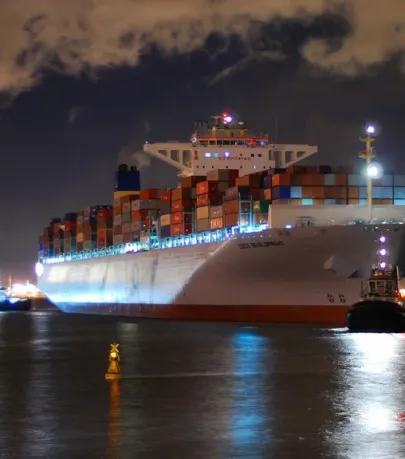
- Sea Freight: Still the backbone of global trade. In 2026, green-shipping initiatives and larger vessels make this the most sustainable and cost-effective method for bulk inventory.
Quality Control and Risk Management
In the world of international trade, optimism is a liability. While most suppliers in Yiwu are legitimate businesses looking for long-term partnerships, the physical distance between your office and the factory floor creates a “trust gap.” Managing this gap is the difference between a profitable venture and a total loss.
The Golden Rule: Never Pay 100% Upfront
If a supplier insists on full payment before production begins, walk away. This is the single biggest red flag in China sourcing. Once a supplier has 100% of your capital, you lose all leverage regarding production speed, quality standards, or dispute resolution.
By keeping a portion of the payment back, you ensure the supplier remains incentivized to meet your specific requirements and hit your shipping deadlines.
The 30/70 Payment Structure Explained
This is the industry standard for professional importing. It balances the risk between the buyer and the seller:
- 30% Deposit (Pre-Production): This “earnest money” allows the factory to purchase raw materials and lock in your production slot.
- 70% Balance (Post-Inspection): This is the “Safety Valve.” You only release these funds after the goods have been produced and, crucially, after they have passed a professional inspection.
Third-Party Inspections: Why PSI is Non-Negotiable
A Pre-Shipment Inspection (PSI) is your final line of defense. For a few hundred dollars, a professional inspector will visit the Yiwu warehouse or the factory to verify the shipment before the container is sealed.
What a PSI covers:
- Quantity Verification: Are there actually 5,000 units in those boxes?
- Functionality Testing: Do the electronics turn on? Do the zippers work?
- AQL (Acceptable Quality Limit): A statistical sampling method to ensure the defect rate is within your agreed-upon tolerance (e.g., less than 1% major defects).
- Packaging and Labeling: Are the barcodes scannable for Amazon FBA? Is the “Made in China” mark visible (a legal requirement for customs)?
Consolidation: The Secret to High-Margin Inventory
The true magic of Yiwu is the ability to source a massive variety of goods. However, buying from 20 different booths in District 1 and District 2 means managing 20 different invoices, 20 different delivery schedules, and 20 different bank transfers.
A Yiwu Sourcing Agent acts as your centralized hub:
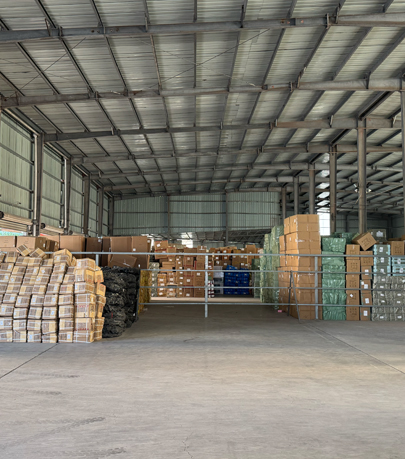
- The Warehouse: They provide a central warehouse where all 20 suppliers send their goods.
- The Master Invoice: You pay the agent once; they distribute the funds to the 20 suppliers in local currency (RMB).
- One Container: The agent expertly packs goods from multiple suppliers into a single FCL (Full Container Load), drastically reducing your shipping costs per unit. Without consolidation, the “hidden” trucking and port fees for 20 separate small shipments would eat your entire profit margin.
Common Mistakes to Avoid When Importing from China
Even with a solid plan, the “China Sourcing” journey has pitfalls that can trap even experienced traders. Avoiding these three common mistakes is the difference between a seamless shipment and a logistical nightmare.
Ignoring the Chinese New Year (CNY) Shutdown
The most significant disruption in the global supply chain is the Lunar New Year. Unlike Western holidays, the Chinese New Year (CNY) shutdown is absolute and lasts for several weeks.
- The Reality: Factories don’t just close for a day; workers often leave two weeks early to travel home, and production doesn’t return to 100% capacity for another two weeks after the holiday.
- The “Pre-CNY Rush”: Shipping prices skyrocket in the weeks leading up to the holiday, and port congestion becomes extreme.
- The Solution: Place your orders at least 2–3 months before CNY (which usually falls in late January or February). If you wait until the last minute, your goods may sit in a warehouse for a month, missing your peak selling season.
Underestimating “Hidden Costs” (The Landed Cost Trap)
Many new importers calculate their profit based solely on the “Ex-Works” price they see on Alibaba or at a Yiwu booth. This is a recipe for financial disaster. To be successful, you must calculate your Total Landed Cost.
What most traders forget to include:
- Local Trucking: The cost of moving goods from the factory/market to the port of Ningbo or Shanghai.
- Export Documentation & Licenses: Charges for clearing customs in China.
- Destination Port Fees: Terminal handling charges (THC) and document fees at your home port.
- Customs Duties & Tariffs: These vary wildly by product category and country of origin.
- Last-Mile Delivery: Getting the container from the port to your actual warehouse.
Falling for “Too-Good-To-Be-True” Pricing
In Yiwu, you can find a product at almost any price point but there is always a trade-off. If Supplier A quotes $1.00 and Supplier B quotes $0.60 for the “same” item, something has been compromised.
- The Quality Fade: The $0.60 version likely uses recycled plastics, thinner metal, or inferior electronic components that will lead to high return rates and bad reviews.
- The Bait and Switch: Some dishonest agents or suppliers quote an impossibly low price to get your 30% deposit, only to claim “rising material costs” halfway through production, forcing you to pay more to get your goods released.
- The Rule of Thumb: If a price is significantly lower than the market average, it isn’t a “good deal” it’s a red flag. Always prioritize reliability and consistency over the absolute lowest price.
Conclusion: Future-Proofing Your Supply Chain
The landscape of global commerce is shifting, but the strategic advantage of sourcing from China and specifically Yiwu remains the gold standard for traders who value agility and variety. As we have explored in this Importing From China Guide, success in 2026 is no longer about just finding a product; it is about building a resilient, transparent, and scalable supply chain.
Don’t navigate the world’s largest market alone. Whether you are looking to source your first product or optimize an existing supply chain, our expertise is your competitive edge.
Ready to scale your business? Contact our Senior Specialists today for a custom sourcing plan.
