
The scale of the Yiwu International Trade City is often described in staggering numbers: over 75,000 booths, 5.5 million square meters of floor space, and more than 2.1 million unique products. For an international trader, these numbers represent a goldmine of opportunity but without a strategic partner on the ground, they can also represent a logistical labyrinth that is nearly impossible to navigate alone.
Whether you are a growing wholesale distributor looking to scale or a first-time importer venturing into the “World’s Small Commodity Capital,” the difference between a high-profit shipment and a costly nightmare often comes down to one factor: your Yiwu Agent.
In this definitive Yiwu Agent Guide, we move beyond the basics of wholesale buying. We dive deep into the strategic necessity of having a local Yiwu sourcing agent who acts as your eyes, ears, and legal protection in China. From identifying vetted suppliers and negotiating the “local price” to rigorous quality control and complex container consolidation, this guide is your 2026 blueprint for mastering the Yiwu market through the power of professional partnership.
By the end of this resource, you will understand not only why a Yiwu buying agent is a critical investment for your supply chain but also how to identify, vet, and collaborate with a partner who treats your business growth as their own.
Why Yiwu is Unique: Why you need a local agent specifically for Futian Market?
The Yiwu International Trade City (Futian Market) is unlike any other wholesale hub in the world, including the mega-factories of Shenzhen or the textile clusters of Guangzhou. Its uniqueness creates specific hurdles that only a local Yiwu sourcing agent can clear.
- The “Micro-Order” Complexity: Unlike the Canton Fair, where you deal with large-scale factories, Yiwu is a collection of 75,000 individual shopfronts. Many are factory outlets, but many are small-scale distributors. A local agent understands which booths are “direct-from-factory” and which are merely sub-wholesalers, saving you a 10–15% markup immediately.
- The Physical Scale: Navigating 5.5 million square meters is physically impossible for a solo traveler in a few days. An agent who lives and breathes this market knows the “shortcuts” which sub-sections of District 3 have the highest-quality cosmetics or which corner of District 4 holds the most reliable textile suppliers.
- The Logistics of “Mixed Containers”: Yiwu’s greatest strength is the ability to buy small quantities from dozens of different shops. However, this creates a logistical nightmare. While a factory in Ningbo handles its own export paperwork, a shop in Yiwu District 1 does not. You need a local entity to collect these 50 different orders, bring them to a central warehouse, and generate a single, unified packing list for customs.
The “Eyes and Ears” Concept: How an agent represents your interests in China?
In international trade, distance is your greatest risk. Once your deposit leaves your bank account, you lose almost all your leverage unless you have a physical presence on the ground. This is where the “Eyes and Ears” philosophy of a Yiwu buying agent becomes your business’s insurance policy.
Real-Time Visual Verification
In 2026, a professional agent doesn’t just send emails; they provide “Live Sourcing.” Using video calls or high-definition photo reports, they allow you to see the material texture, the stitching quality, and the packaging durability as if you were standing in the booth yourself. They catch “red flags” like a supplier using cheaper plastic than the sample before the production run begins.
The Power of Local Presence
Suppliers in Yiwu treat “one-time foreign visitors” differently than they treat “local agents.” An agent who brings ten clients to a booth every year has significant bargaining power.
- The “Local” Buffer: If a shipment is delayed or a quality issue is found, a local agent can physically visit the booth or the supplier’s warehouse within an hour.
- Accountability: Knowing that a reputable Yiwu sourcing agent is watching the process forces suppliers to prioritize your order over unrepresented buyers.
Expert Insight: Think of your agent not as an external contractor, but as your Chief Sourcing Officer. Their job isn’t just to find a product; it’s to defend your brand’s reputation by ensuring that what you ordered is exactly what gets loaded onto the ship.
Why You Need a Yiwu Buying Agent (The Risk vs. Reward)
Entering the Yiwu market solo is an exhilarating experience, but for a business owner, it is a high-stakes gamble. The primary “risk” isn’t just losing money; it is the opportunity cost of receiving unsellable inventory months after you’ve paid for it. A Yiwu buying agent acts as a risk-mitigation engine, transforming the chaotic energy of the market into a streamlined, professional supply chain.
Navigating the Language Barrier: Beyond “Chinglish” and basic translation
In Yiwu, communication is about more than just converting English to Mandarin. While many shop assistants use basic “Market English” or translation apps, these tools fail when it comes to technical specifications and legal nuances.
A professional agent provides more than translation; they provide interpretation of intent. Technical Accuracy: If you specify “Matte Finish,” a translation app might translate it as “Dull Color.” A professional agent ensures the supplier understands the chemical or aesthetic requirement, preventing a 10,000-unit mistake.
- Contractual Clarity: When issues arise regarding lead times or “force majeure,” you need someone who can argue your case in the local dialect (often including regional business slang) to ensure the supplier takes your complaint seriously.
Cultural Nuances in Negotiation: Getting the “Local Price”
There is an unspoken “tiered pricing” system in Yiwu. Typically, there is the Tourist Price, the Foreign Trader Price, and the Local Price. If you walk into a booth in District 2 as a foreigner, the price quoted will naturally include a “buffer.” A Yiwu sourcing agent understands the Guanxi (relationship-based business culture) required to unlock the lowest tier.
- Volume Leverage: Agents often deal with the same booths for multiple clients. They aren’t negotiating for one order; they are negotiating based on a year-long relationship.
- The “Face” Factor: In Chinese business culture, “giving face” is essential. An agent knows how to push for a lower price without offending the supplier, ensuring you get a great deal while maintaining a healthy long-term relationship with the factory.
Quality Control (QC): Stopping bad products before they leave the warehouse
The most dangerous moment in China sourcing is the moment the container doors are sealed. Once those goods are on the ocean, your leverage drops to zero.
A Yiwu buying agent performs the most critical step in the process: Pre-Shipment Inspection. AQL Standards: Professional agents use internationally recognized Acceptable Quality Level (AQL) sampling to check for defects.
- Packaging Integrity: Often, the product is fine, but the “export-ready” cartons are too thin for sea freight. Your agent catches this and demands re-packaging before the goods leave Yiwu.
- The “Bait and Switch” Prevention: It is not uncommon for a sample to be high-quality while the mass production uses cheaper materials. Your agent compares the final product against the “Golden Sample” kept in their office.
Consolidation Logistics: Managing 50+ suppliers in one shipping container
The magic of Yiwu is that you can buy 10 cartons of toys, 5 cartons of stationery, and 20 cartons of home decor. But how do those 35 disparate orders get into one box?
Suppliers in the Futian Market are notorious for having tiny storage spaces. They want the goods out of their booth the moment they are ready.
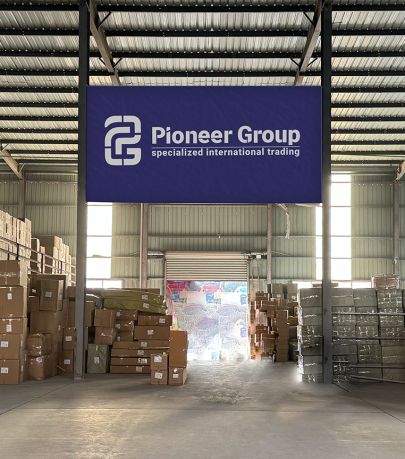
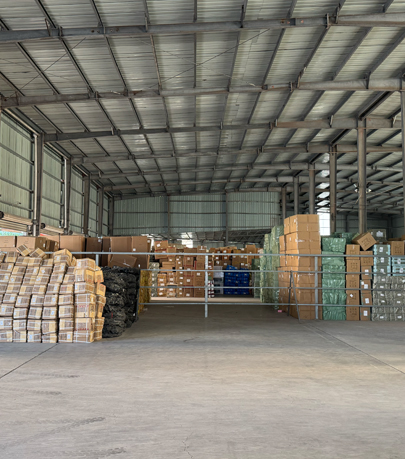
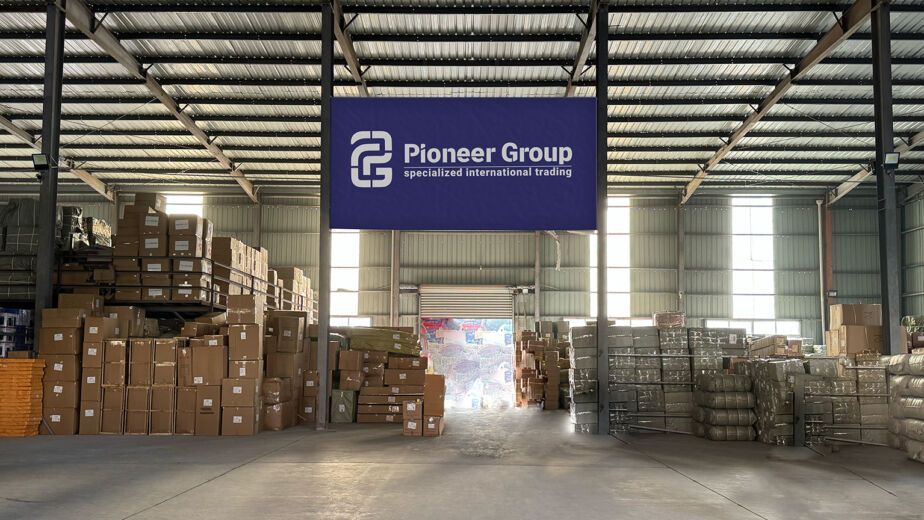
- The Central Hub: Your agent provides a centralized warehouse. Suppliers deliver goods there, where the agent’s team counts the boxes, checks the labels, and holds them until all 50 suppliers have delivered.
- Loading Supervision: An agent’s staff physically stands at the container door to supervise the “loading plan.” They ensure that heavy items aren’t crushed on the bottom and that every cubic meter of the container you paid for is utilized efficiently.
Core Services Provided by a Professional Yiwu Agent
A professional Yiwu sourcing agent does not just “help you buy”; they manage a comprehensive suite of supply chain services. In 2026, where speed-to-market is the ultimate competitive advantage, these core services are what allow a small business to function with the efficiency of a multinational corporation.
Supplier Identification and Vetting: Filtering 75,000 booths
With over 75,000 booths spread across five massive districts, “finding a supplier” is easy; finding the right supplier is the challenge. A professional agent filters the market through a rigorous vetting process:
- Factory vs. Trader Identification: They verify if the booth is a direct factory outlet or a secondary wholesaler.
- Compliance Checks: They ensure the supplier has the necessary certifications (such as CE, UL, or RoHS) required for your specific home market.
- Financial Stability: Your agent checks the supplier’s reputation within the local market to ensure they won’t disappear after receiving your deposit.
Order Tracking and Production Management
Once the deposit is paid, the “waiting game” begins. However, a Yiwu buying agent is proactive. They don’t just wait for a phone call; they manage the production timeline:
- Lead Time Enforcement: They maintain constant contact with the shop owners to ensure your order doesn’t get pushed back behind larger domestic orders.
- Milestone Updates: For custom-made goods (OEM), they provide updates at various stages raw material sourcing, mid-production, and final packaging.
Goods Collection and Centralized Warehousing
In Yiwu, you are often buying from 20 or 30 different shops simultaneously. No individual shop will handle your international shipping. Your agent provides the vital “middle-link”:
- The Hub Concept: The agent operates a private warehouse where all your disparate orders are gathered.
- Inventory Control: As goods arrive, they are scanned and logged into a system, allowing you to see exactly what has arrived and what is still pending.
Detailed Product Inspection: AQL standards and photo reporting
Quality is non-negotiable. A top-tier agent uses the AQL (Acceptable Quality Level) standard to provide a statistical glimpse into your order’s quality.
- Visual & Functional Testing: They check for color accuracy, weight, dimensions, and basic functionality.
- Photo/Video Transparency: You receive a detailed inspection report via email or WhatsApp, including high-resolution photos of the product and the shipping cartons. This gives you the “Go/No-Go” power before the final balance is paid.
Export Documentation and Customs Clearance (The Paperwork Maze)
The Chinese “Paperwork Maze” is enough to stop any solo importer in their tracks. Every shipment requires a specific set of documents to leave China and enter your country legally. Your agent handles:
- Commercial Invoices & Packing Lists: Consolidating dozens of shop receipts into one official document.
- Certificates of Origin: Essential for reducing import duties in many countries.
- Export Licenses: Providing the necessary legal authority to export goods, as many small Yiwu shops do not possess their own export rights.
Yiwu Agent Fee Structures: How Much Does it Cost?
One of the most frequent questions from international traders is: “How does the agent make money?” Understanding the financial side of the partnership is crucial for calculating your landed costs and ensuring a transparent relationship. In Yiwu, fee structures have become standardized, yet they remain flexible depending on the volume of your trade and the complexity of the services required.
The Commission Model: Understanding the 1% to 5% range
The most common way a Yiwu sourcing agent charges for their services is through a percentage-based commission on the total order value. Typically, this falls between 1% and 5%.
- 5% Commission: This is the standard for new clients or smaller order volumes (e.g., total purchases under $50,000). It covers the full spectrum of services: sourcing, translation, QC, warehousing, and documentation.
- 3% Commission: Often offered to repeat clients or those with medium-sized shipments (full containers).
- 1% to 2% Commission: Reserved for high-volume “power buyers” who ship multiple containers per month. At this level, the agent’s profit comes from the sheer scale of the turnover.
Fixed Fee vs. Variable Commission: Which is better for your business?
While the commission model is king, some agents offer alternative structures depending on the nature of the work.
- Variable Commission: Best for traders buying a wide variety of small items from dozens of different shops. It aligns the agent’s incentive with your spending; the more they help you buy, the more they earn.
- Fixed Daily Fee (Sourcing Trip Fee): If you only need a translator for a two-day market walk but aren’t ready to place orders yet, some agents charge a flat daily rate (usually $50–$100 USD per day).
- Flat Fee per Container: Some logistics-heavy agents charge a flat fee for consolidation and loading, regardless of the goods’ value. This is rare in Yiwu but can be beneficial if you are sourcing high-value, low-volume items.
Hidden Costs to Watch Out For: Kickbacks, “Secret” markups, and logistics surcharges
In an ideal world, the commission is the only fee. However, the Yiwu market has “grey areas” that can inflate your costs if you aren’t vigilant.
- Supplier Kickbacks: This occurs when a supplier gives a “bonus” to the agent for bringing them a client. While common in China, a truly professional agent is transparent about these relationships or refuses them to ensure they remain unbiased in their supplier selection.
- “Secret” Markups: Some dishonest agents will tell you the price is $1.10 when the shop actually quoted $1.00, pocketing the $0.10 difference on top of their commission. Always ask for the original shop receipts.
- Logistics Padding: Be wary of agents who offer a “low commission” but then charge significantly higher-than-market rates for trucking, warehousing, or ocean freight.
How to Find and Vet a Reliable Yiwu Sourcing Agent
Finding an agent in Yiwu is easy you can’t walk down a street near the Futian Market without seeing dozens of agency signs. However, finding a reliable partner who will protect your capital and your brand reputation is a much more surgical process. In 2026, the best agents are no longer just “guides”; they are tech-savvy logistics partners.
Where to Look: Platforms, Referrals, and Local Agencies
To find a top-tier Yiwu sourcing agent, you should diversify your search across three main channels:
- B2B Directories and Social Proof: Platforms like LinkedIn and Global Sources are excellent for finding agencies that maintain a professional digital presence. Look for agents who share “behind-the-scenes” footage of their warehouse inspections this proves they actually handle the goods.
- Industry Referrals: Join importer groups on Facebook or Reddit (r/Entrepreneur or r/FulfillmentByAmazon). Asking for a recommendation from someone who has shipped at least 10 containers with the same agent is the most powerful “green flag” you can find.
5 Red Flags to Watch Out For During Your First Interview
During your initial consultation, keep an eye out for these warning signs that indicate a Yiwu buying agent might be unprofessional or dishonest:
- The “Yes Man” Syndrome: If an agent claims they can find any product at any price and guarantees 0% defects, they are lying. Trade always involves challenges; a good agent will be honest about risks.
- No Physical Office or Warehouse: Some “agents” are just individuals with a laptop working out of a coffee shop. A real agency must have a physical warehouse in Yiwu to consolidate your goods.
- Refusal to Share Original Receipts: If the agent insists that you pay them for the goods without ever seeing the supplier’s original invoice, they are likely hiding a massive markup.
- Suspiciously Low Commissions (0-2% for small orders): As discussed, if the commission doesn’t cover their labor and rent, they are making money behind your back.
- Poor Communication Speed: In Yiwu, things move fast. If it takes an agent three days to reply to a WhatsApp message, they will be useless when a shipping deadline is approaching.
Essential Questions to Ask Your Potential Agent Before Signing
Before committing to a partnership, put your Yiwu agent through this “stress test” of questions:
- “Can you show me a sample inspection report from a previous client?” (Look for detail, photos, and specific measurements).
- “What is your procedure if I receive defective goods in my country?” (A good agent should have a clear compensation or return-to-factory policy).
- “How many full-time staff members do you have in your QC department?”
- “Do you accept payments via secure channels (like Corporate Wire Transfer or Alibaba Trade Assurance)?”
- “Which districts of the Futian Market do you specialize in?” (Some agents are better at electronics, while others excel in toys or jewelry).
Checking References: How to verify their track record with global clients
Never take an agent’s word at face value. A legitimate Yiwu sourcing agent should be able to provide “Social Proof.”
- Video Testimonials: Written reviews can be faked; video testimonials from clients standing in their own warehouses in the US, UK, or UAE are much harder to forge.
- Case Studies: Ask for a case study of a complex order they handled. For example: “How did you manage a 100-item consolidation for a client last Christmas?”
- BL (Bill of Lading) Verification: If you want to be 100% sure, ask the agent to show you a redacted Bill of Lading from a recent shipment. This proves they are actually moving containers out of the port of Ningbo or Shanghai.
Expert Tip: Start small. Even if you plan to ship ten containers, give a new agent a “test order” of just a few pallets. Watch their communication, their QC reporting, and their speed. A reliable partner will treat a $5,000 order with the same professionalism as a $50,000 order.
To understand which floor best suits your business needs, refer to our comprehensive Yiwu Market Guide for Wholesale Buyers which breaks down every district in detail.
The Step-by-Step Process of Working with a Yiwu Agent
Working with a Yiwu sourcing agent is not a passive experience; it is a collaborative partnership. To get the most out of the relationship, you need to understand the rhythm of the trade. Here is the 2026 blueprint for a successful sourcing cycle, from the first email to the final container seal.
Step 1: Preparing Your Sourcing List (The Initial Brief)
Success in Yiwu starts before you even book your flight. A professional agent needs a “Sourcing List” or a Product Specification Sheet to prepare.
- The Detail Level: Don’t just say “toys.” Specify materials (e.g., BPA-free plastic), target price points, dimensions, and required certifications (CE, ASTM).
- The Pre-Screen: Your agent will use this list to pre-scout the market, identifying which Districts and specific booths have the best match. This ensures that when you arrive, you aren’t walking aimlessly; you are visiting shortlisted winners.
Step 2: The Market Visit (Accompanying you to the booths)
When you arrive in Yiwu, your Yiwu buying agent becomes your navigator.
- The Market Walk: Your agent will guide you through the relevant districts (e.g., District 1 for jewelry/toys, District 2 for hardware/electronics).
- Cataloging: As you select products, the agent’s assistant will take photos, record the shop’s booth number, and note down the quoted price and MOQ (Minimum Order Quantity). By the end of the day, you will receive a “Quotation Sheet” summarizing everything you saw.
Step 3: Placing Deposits and Securing Production Slots
Once you decide which items to buy, the financial engine starts.
- The 30% Deposit: Your agent will collect the total deposit from you and distribute it to the 20+ different shops you’ve selected. This secures your price and puts your order into the production queue.
- Contract Management: The agent issues “Purchase Orders” to each shop, clearly stating the quality requirements and the expected delivery date.
Step 4: The Inspection Phase (The “Go/No-Go” Moment)
As goods finish production, they are sent to the agent’s warehouse. This is the most critical stage.
- Quality Verification: The agent’s QC team opens the cartons to check for defects, color discrepancies, or incorrect labeling.
- The Report: You receive a detailed inspection report. If the goods are 100% correct, you give the “Go” to pay the remaining 70% balance. If there are issues, the agent holds the money and demands the shop fix the problem. This is your ultimate leverage.
Step 5: Loading the Container and Final Payments
The final step is the physical exit of your goods from China.
- Container Consolidation: Your agent coordinates with the shipping forwarder to bring a container to their warehouse. Their team supervises the loading to ensure every inch of space is used and that fragile items are protected.
- Final Documentation: Once the container is on the ship, the agent provides the “Bill of Lading” and other essential documents.
Financial Security and Payment Logistics
Managing money in international trade is often the most stressful part for new importers. When you work with a Yiwu buying agent, you are essentially entrusting them with your capital to distribute across dozens of suppliers. Establishing a secure financial workflow is the backbone of a successful sourcing operation.
Safe Payment Methods: Balancing security for you and the supplier
In 2026, payment methods have become more digitized, yet the old-school rules of security still apply. A professional agent will typically offer several ways to handle funds:
- Telegraphic Transfer (T/T): The most common method for bulk orders. You send funds to the agent’s corporate dollar account, and they pay the local shops in Chinese Yuan (CNY).
- Alibaba Trade Assurance: Some agents allow you to pay through Alibaba’s portal for an added layer of third-party protection, especially for the first “test” order.
- Letter of Credit (L/C): Reserved for very large shipments (e.g., several containers). While safer, it involves high bank fees and significant paperwork.
The 30/70 Payment Rule: Why it’s the industry standard
The “30/70 Rule” is the heartbeat of Yiwu trade. It balances the risk between the buyer and the seller:
- 30% Deposit: Paid upfront to trigger production or “lock” the stock in the shop’s warehouse.
- 70% Balance: Paid ONLY AFTER your Yiwu sourcing agent has inspected the goods in their warehouse and sent you a satisfactory QC report.
- Why this matters: If a supplier knows they won’t get the final 70% until the goods are perfect, they are far more likely to maintain high quality standards.
Currency Exchange and Handling International Transfers
The Chinese Yuan (RMB/CNY) fluctuates. A transparent agent will provide you with the “Daily Exchange Rate” and show you exactly how your USD or EUR is being converted. Be wary of agents who use “fixed rates” that are significantly higher than the market rate, as this is a hidden way to skim extra profit from your transfer.
Advanced Sourcing: Private Labeling (OEM) and Branding
For wholesale distributors and boutique brand owners, the goal is rarely to buy generic “off-the-shelf” products. To build a brand, you need Private Labeling. This is where a Yiwu agent Guide becomes an invaluable asset for product development.
How an agent helps with custom packaging and logo placement
Most Yiwu shops focus on high-volume, generic production. They may not have the design capabilities to create your custom “luxury” box.
- The Bridge: Your agent acts as the bridge between the product supplier and a separate packaging factory. They can source custom cardboard inserts, silk-screened logos, or eco-friendly polybags that the original product supplier doesn’t offer.
- Sample Prototyping: The agent can collect a sample from the factory, take it to a printing house for logo application, and send you the “Final Branded Prototype” for approval before mass production begins.
Intellectual Property (IP) Protection: Keeping your designs safe in Yiwu
One of the biggest fears in China is “copycatting.” If you have a unique design, you don’t want it appearing in every other booth in District 1.
- Non-Disclosure Agreements (NDAs): While local law is complex, a professional agent can have suppliers sign Chinese-language NDAs that carry more weight locally than an English version.
- Strategic Sourcing: A good agent knows which factories are “loyal” and which ones have a reputation for selling overstock or rejected branded goods to other traders. They help you pick a partner who respects your IP.
Common Mistakes to Avoid When Hiring a Yiwu Agent
Even with a roadmap, many importers stumble by falling for “too good to be true” offers. To protect your investment, avoid these three critical pitfalls that commonly derail China sourcing projects.
Mistake #1: Prioritizing the lowest commission over service quality
The most common mistake is choosing an agent solely because they offer a 1% or 2% commission. As we’ve discussed, an agent’s overhead warehousing, QC staff, and logistics management costs money.
- The Reality: A “cheap” agent often makes up for their low fee by taking kickbacks from factories or, worse, skipping the inspection process entirely to save on labor.
- The Fix: Focus on Total Value. An agent who charges 5% but negotiates a 10% discount and prevents a $20,000 quality disaster is infinitely more valuable than a “free” agent who lets defective goods slip through.
Mistake #2: Skipping the physical inspection phase
Some importers, in a rush to save time or a few hundred dollars in inspection fees, tell the agent to “just ship it” because the supplier sent a “good-looking photo.”
- The Reality: Photos can be deceptive, and “Golden Samples” are often hand-picked.
- The Fix: Ensure your Yiwu sourcing agent performs a physical, on-site inspection for every single order. Never authorize the final 70% payment until you have reviewed a detailed inspection report with actual measurements and stress tests.
Mistake #3: Lack of clear communication and “Standard Operating Procedures” (SOPs)
Assuming the agent “knows what you want” is a recipe for disappointment.
- The Reality: Vague instructions like “high quality” or “fast shipping” mean different things in different cultures.
- The Fix: Establish a clear SOP. Define exactly what constitutes a “defect,” what the packaging labels should look like, and how often you expect a status update (e.g., a weekly Friday report).
Yiwu Agent FAQ: Answering Every Trader’s Question
Can I work with an agent remotely without visiting China?
Yes. In 2026, many of our clients source entirely via video calls and digital catalogs. A professional Yiwu buying agent can act as your proxy, visiting booths on your behalf and sending samples to your home country for approval before you place a bulk order.
Do agents handle shipping to my doorstep (DDP)?
Absolutely. Most top-tier agents offer DDP (Delivered Duty Paid) services. They coordinate with freight forwarders to handle everything from the Yiwu warehouse to your destination warehouse or distribution center, including paying all import duties and taxes.
What happens if the goods arrive damaged?
If you used a reputable agent, they should have a “Claims Policy.” If the damage happened due to poor packaging, the agent is responsible. If it happened during transit, the agent helps you file a claim with the insurance or shipping line. This is why shipping insurance is always recommended.
Is a Yiwu agent necessary for small orders (LCL)?
It’s actually more necessary. For small “Less than Container Load” (LCL) orders, the logistics of consolidating goods from multiple shops into one shipment is too complex for an individual to handle. An agent makes small-scale importing feasible by sharing container space among multiple clients.
Conclusion: Scaling Your Business with the Right Partner
In the fast-paced world of global commerce, the Yiwu market remains the ultimate frontier for product variety and competitive pricing. However, the sheer scale of the Futian Market demands more than just a buyer it demands a strategist.
A Yiwu sourcing agent is not an additional “expense” on your balance sheet; they are a strategic investment in your supply chain’s stability. By bridging the gap in language, culture, and logistics, a professional agent allows you to focus on what you do best: marketing and selling your products, while they handle the complexities of the ground operation in China.
Whether you are looking to launch your first private label brand or optimize an existing wholesale business, the right partner will turn the world’s largest wholesale hub into your greatest unfair advantage.
Book a Free Consultation with a Pioneer Group Sourcing Expert Today and let’s turn your 2026 sourcing blueprint into a reality.
How Pioneer Group can help
Comparing agents comes down to who actually answers and in what language. We work in English, Chinese, Arabic, Russian, Turkish and French, and reply within two hours during China business hours.
- Sourcing. Access to 5,000+ factories from an office in Yiwu, so you deal with the maker instead of a reseller.
- Quality inspection. Three stages, raw material, in production and pre shipment, with photo and video reports.
- Consolidation and shipping. Orders from many booths received at one warehouse and loaded as a single shipment.
Commission is 3 to 5 percent by order quantity, paid by you and never by the factory, with no hidden markup on the goods. Minimum order value is US$5,000. We reply within 2 hours during China business hours, in English, Chinese, Arabic, Russian, Turkish or French.
Talk to us: WhatsApp +86 190 2577 9716, info@pioneergptrading.com, or the contact form.
Pioneer Group is a China sourcing agent based in Yiwu, China, helping wholesale and bulk buyers source, inspect, consolidate, and ship orders from China.


1 Comment
Moha
Needed a big run of plastic straws at a decent price and they sorted it with no fuss. Clear communication, quality was what we agreed. Simple and honest to deal with