


Table of Contents
- Europe Raises Concerns Over Rising Chinese Imports
- Which Chinese Industries Are Driving Import Growth
- Why Europe Is Discussing New Trade Measures
- What This Means for Global Buyers and Importers
- Opportunities and Risks for Businesses Buying From China
- How Pioneer GP Trading Supports International Buyers
- Strategic Outlook for China-Europe Trade in 2026
- Frequently Asked Questions
Europe Raises Concerns Over Rising Chinese Imports
Fresh trade discussions across Europe are drawing attention to the rapid increase in Chinese imports entering European markets during 2026.
According to recent analysis and customs data published on May 29, 2026, European imports from China have risen sharply across several major sectors, including:
- electric vehicles
- solar panels
- electronics
- consumer goods
- renewable energy components
European manufacturers are increasingly concerned about competing with lower-cost Chinese products, especially as Chinese factories continue expanding production capacity and improving manufacturing efficiency.
The situation has intensified broader debates within Europe regarding trade policy, industrial competitiveness, and supply chain dependence on China.
Chinese Manufacturing Continues Expanding Globally
China remains one of the world’s most dominant manufacturing economies, supported by:
- massive factory infrastructure
- efficient export logistics
- advanced industrial supply chains
- competitive wholesale pricing
- strong production scalability
Chinese manufacturers have continued growing exports throughout 2026, particularly in sectors linked to:
- clean energy
- technology
- industrial equipment
- electronics
- electric transportation
This export momentum has increased pressure on several European industries that are struggling to compete on pricing and production scale.
Europe Discusses Potential Trade Responses
European policymakers are now discussing several possible responses to the increase in Chinese imports.
Current discussions reportedly include:
- potential tariffs
- stricter trade defense measures
- anti-dumping investigations
- industrial subsidies
- supply chain diversification strategies
European officials are attempting to balance two competing priorities:
- Protecting domestic manufacturing industries
- Maintaining access to affordable Chinese products and supply chains
This balancing act is becoming increasingly important as Europe continues depending on Chinese manufacturing for many industrial and consumer sectors.
Why This Matters for Businesses Buying From China
For businesses involved in buying from China, these developments create both opportunities and considerations.
Continued Access to Competitive Pricing
China’s large-scale production capacity continues helping international buyers access:
- lower manufacturing costs
- competitive wholesale pricing
- broad product selection
- efficient mass production
Potential Supply Chain Adjustments
Businesses may also need to monitor:
- evolving tariff policies
- customs regulations
- import restrictions
- compliance requirements
- regional sourcing strategies
Companies relying heavily on European imports may eventually face changing trade conditions depending on future policy decisions.
Strong Manufacturing Reliability
Despite trade discussions, China remains deeply integrated into global manufacturing supply chains. Many buyers continue sourcing from Chinese suppliers because of:
- manufacturing speed
- supplier variety
- export experience
- infrastructure quality
- advanced production ecosystems
Green Technology and Electric Vehicles Remain Key Focus Areas
One of the biggest areas of concern in Europe involves Chinese dominance in green technology manufacturing.
Chinese companies continue expanding aggressively in:
- electric vehicles
- EV batteries
- solar panels
- renewable energy components
- energy storage systems
These industries have become central to global trade competition due to rapidly growing international demand.
For importers and distributors, China’s scale and pricing advantages continue making Chinese suppliers highly attractive despite increasing political scrutiny.
How Pioneer GP Trading Helps Businesses Buying From China
At Pioneer GP Trading, we help businesses navigate international sourcing with professional support and supply chain expertise.
Our services include:
- supplier sourcing and verification
- factory communication management
- wholesale price negotiation
- quality inspections
- export coordination
- logistics management
- compliance support
We help businesses source:
- electronics
- consumer goods
- machinery components
- industrial products
- renewable energy products
- customized manufacturing solutions
Our goal is to make buying from China efficient, transparent, and reliable while helping businesses adapt to changing global trade conditions.
Strategic Outlook for China-Europe Trade in 2026
The current trade discussions between Europe and China reflect broader global shifts in manufacturing, industrial policy, and supply chain strategy.
While Europe may continue exploring trade protections in sensitive industries, China is expected to remain one of the world’s most important manufacturing and export hubs.
For global buyers, the key may be maintaining:
- diversified sourcing strategies
- reliable supplier relationships
- strong compliance procedures
- flexible logistics planning
Businesses that adapt early to evolving trade dynamics may gain advantages in pricing, supply chain stability, and long-term sourcing efficiency.
Frequently Asked Questions
Why is Europe concerned about Chinese imports?
European industries are facing growing competition from lower-cost Chinese products, especially in electric vehicles, electronics, and renewable energy sectors.
Will Europe impose new tariffs on Chinese goods?
European officials are currently discussing possible trade defense measures, though policies may vary by industry and product category.
Is China still a strong sourcing destination in 2026?
Yes. China remains one of the world’s leading manufacturing hubs due to its large-scale infrastructure, advanced supply chains, and export capabilities.
Should businesses diversify suppliers outside China?
Many businesses are exploring diversification strategies while still maintaining strong relationships with Chinese manufacturers.
Internal Links
- https://yourwebsite.com/yiwu-sourcing-services
- https://yourwebsite.com/import-from-china-guide
- https://yourwebsite.com/china-shipping-agent
- https://yourwebsite.com/contact
External Sources & References
How Pioneer Group can help
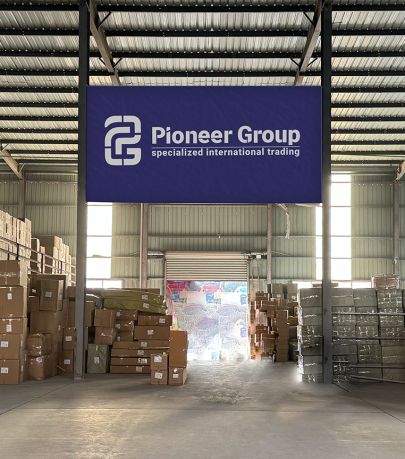
European importers face shifting duties and closer scrutiny of what arrives. We document every order at the factory: photo and video reports at the raw material, in production and pre shipment stages.
- Sourcing. Access to 5,000+ factories from an office in Yiwu, so you deal with the maker instead of a reseller.
- Quality inspection. Three stages, raw material, in production and pre shipment, with photo and video reports.
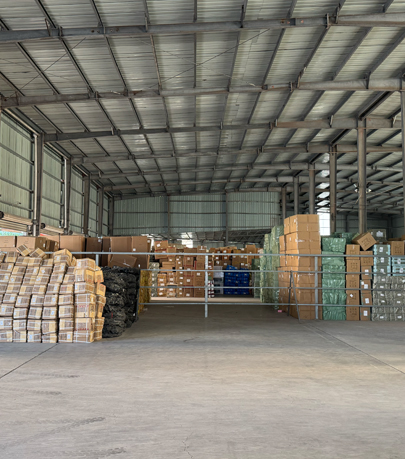
- Consolidation and freight-agent handover. Orders from multiple suppliers are received at our Yiwu warehouse, consolidated, and handed to the buyer’s nominated freight agent.
Commission is 3 to 5 percent by order quantity, paid by you and never by the factory, with no hidden markup on the goods. Minimum order value is US$5,000. We reply within 2 hours during China business hours, in English, Chinese, Arabic, Russian, Turkish or French.
Talk to us: WhatsApp +86 190 2577 9716, info@pioneergptrading.com, or the contact form.
Pioneer Group is a China sourcing agent based in Yiwu, China, helping wholesale and bulk buyers source, inspect and consolidate orders before handover to the buyer’s freight agent.
