Importing from China to Central Asia is one of the most underserved lanes in global trade content: most guides obsess over containers to Rotterdam or Los Angeles while importers in Almaty, Tashkent, Bishkek, and Ashgabat piece together their logistics from forum posts. This guide covers the five routes that actually move goods west from China in 2026, the paperwork that keeps them moving, and the consolidation tactic that makes small mixed orders viable.
5 Routes for Importing from China to Central Asia
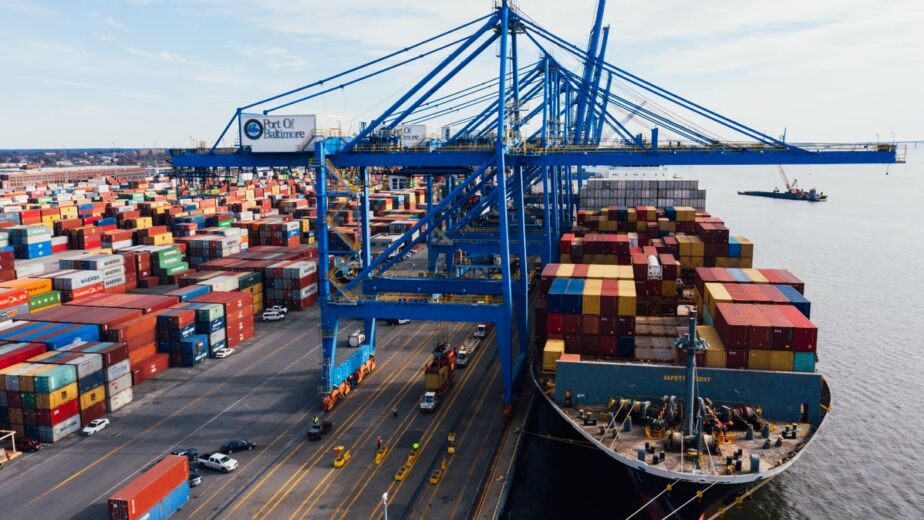
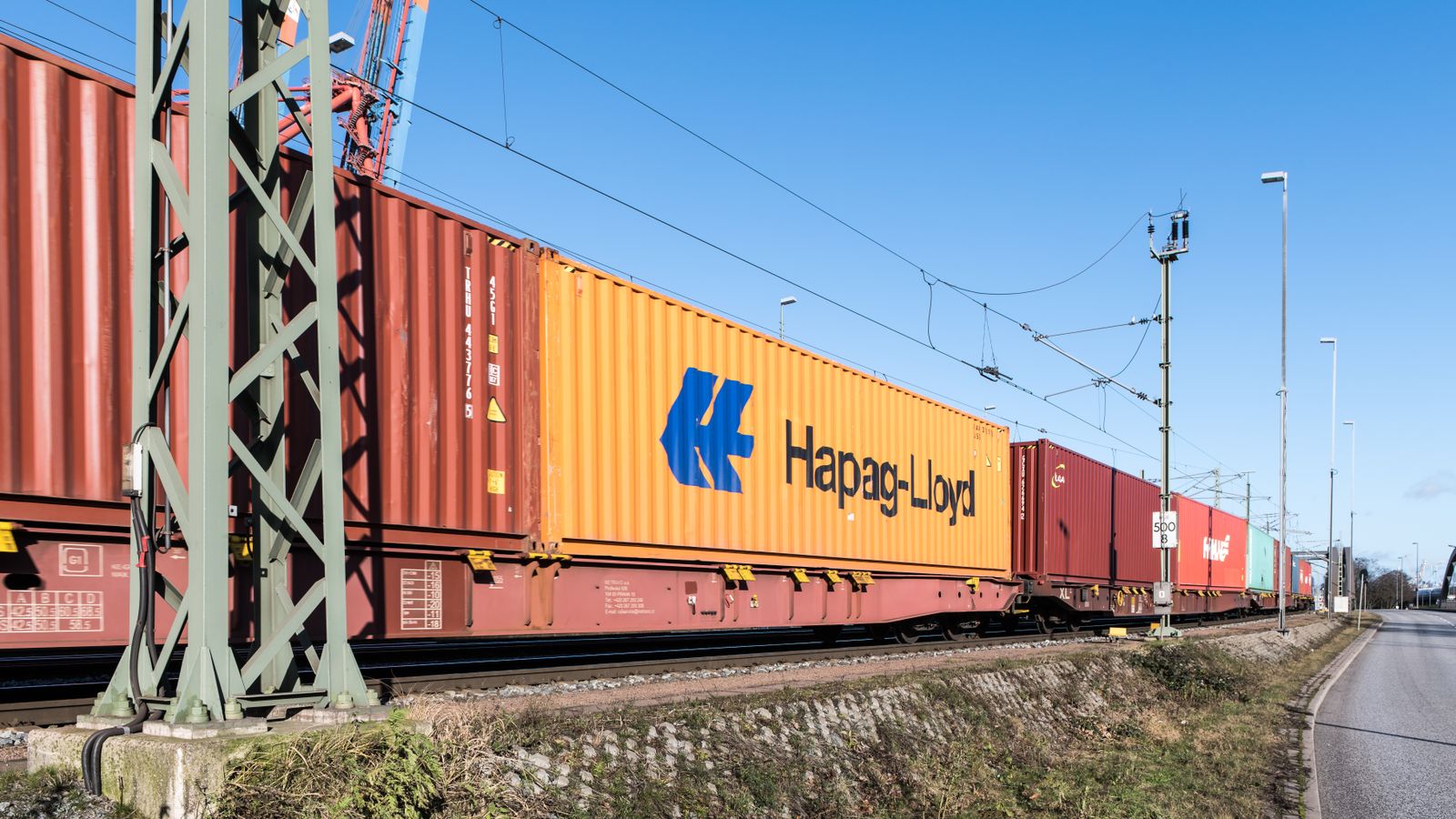
- Rail via Khorgos or Alashankou (China to Kazakhstan). The workhorse of the corridor and part of the New Eurasian Land Bridge. Block trains cross at the Kazakh border and continue to Almaty and beyond. Typically faster than sea-plus-land alternatives and far cheaper than air.
- Road freight through Xinjiang border crossings. Trucks offer door-to-door flexibility and good speed for mid-size loads, at higher per-kilo cost than rail. Well suited to time-sensitive wholesale stock.
- Multimodal rail plus truck. Rail to a hub such as Almaty, then truck distribution onward to Uzbekistan, Kyrgyzstan, Tajikistan, or Turkmenistan. Often the best cost-to-speed balance for mixed consignments.
- The southern corridor via Kyrgyzstan. Road freight through Irkeshtam or Torugart toward the Fergana Valley serves southern Central Asia directly; the long-planned China-Kyrgyzstan-Uzbekistan railway remains under development and worth watching.
- Air freight for urgent or high-value goods. Flights from Chinese hubs reach Central Asian capitals in days. Reserve it for samples, restocks, and goods whose value justifies the rate.
Customs and Documentation Prep
Paperwork sinks more Central Asia shipments than transit does. Get four things right before the goods move: a commercial invoice that matches the packing list exactly, correct HS codes for your destination, any certificates your market requires, and clarity on customs-union rules where they apply (Kazakhstan and Kyrgyzstan clear goods under the Eurasian Economic Union’s common framework, which affects how and where duties are paid). Agree the incoterm in writing so there is no ambiguity about who handles clearance on each side of the border.
The Consolidation Advantage
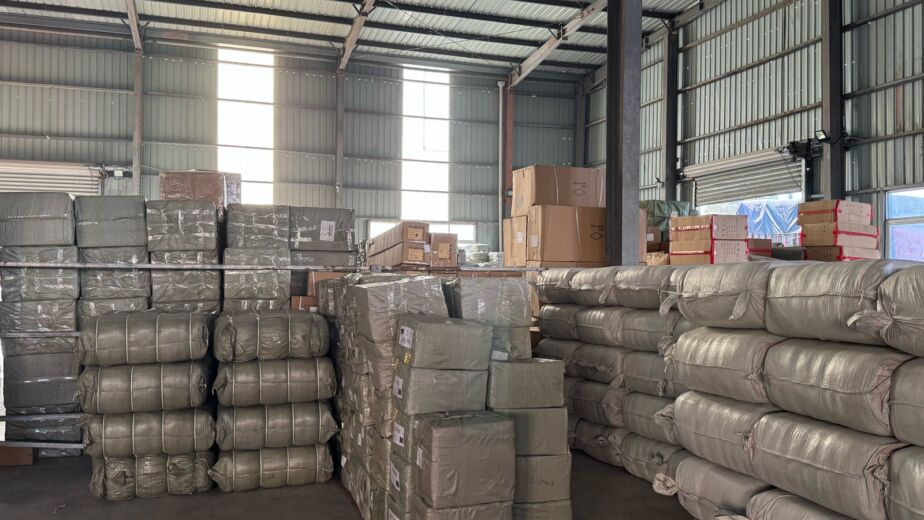
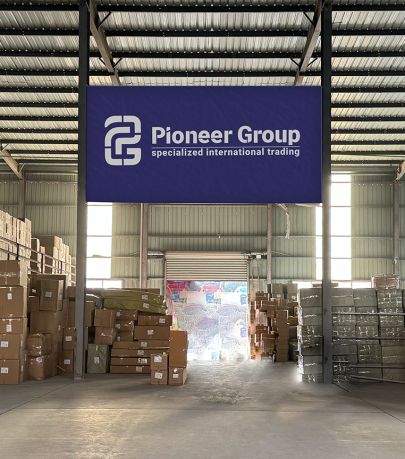
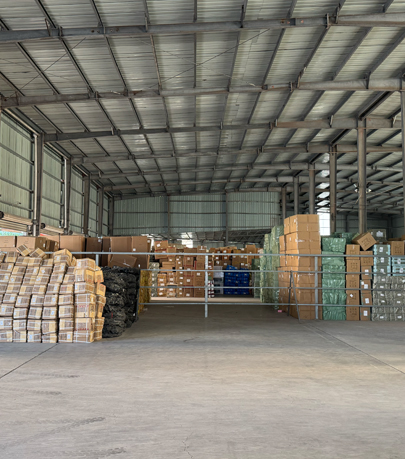
The economics of importing from China to Central Asia change completely when orders from many suppliers travel as one shipment. Yiwu is the natural collection point: goods from dozens of market suppliers and factories are gathered, inspected, and packed together in a 13,000 square meter warehouse in Yiwu, then move out by rail or road as a single consignment with one set of documents. One shipment, one clearance, one delivery: the overhead that kills small mixed orders disappears. The options are laid out on the shipping from China page.
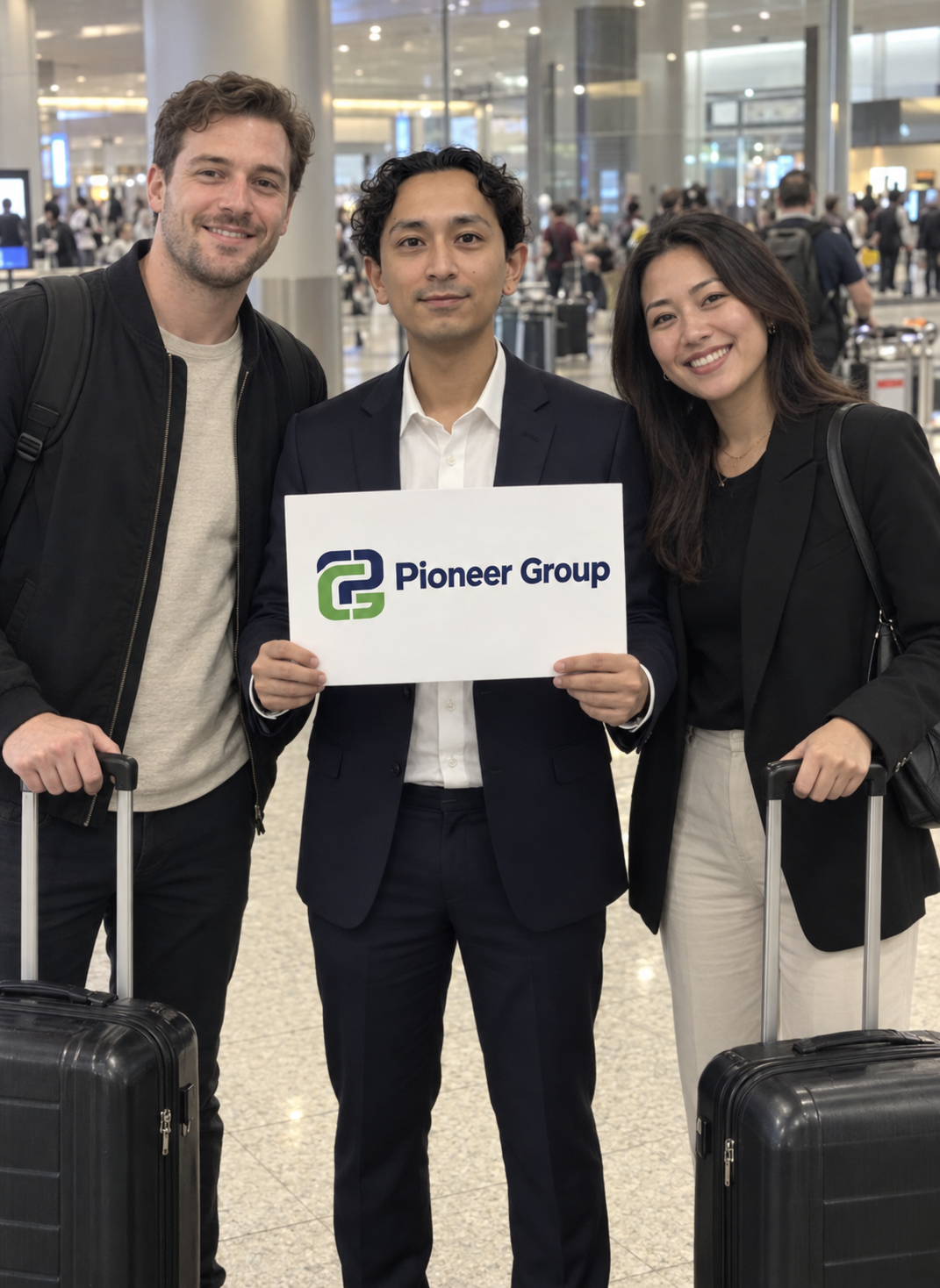
Pioneer Group is a China sourcing company based in Yiwu, serving bulk and container buyers in 30+ countries, with 100 percent inspection before shipping and a transparent commission model. For Central Asian buyers that means one partner handling sourcing, inspection, consolidation, and export from the Chinese side.
Importing from China to Central Asia: FAQ
How long does rail freight take from China to Central Asia?
Border crossing and final destination drive the number, but rail consignments commonly arrive in roughly 10 to 20 days door to door: dramatically faster than routing via sea, and a fraction of air cost.
Which incoterm works best on this lane?
Many buyers on this corridor prefer terms where the Chinese side handles export clearance and loading (FCA or FOB-style handoffs), keeping destination clearance with the party who knows local customs best. Pioneer Group quotes with the incoterm stated explicitly so responsibility is never ambiguous.
Can small mixed orders from many suppliers ship economically?
Yes, through consolidation. Pioneer Group collects orders from multiple Yiwu suppliers into one inspected shipment; the minimum combined order value is US$5,000, which a mixed wholesale consignment typically clears easily.
Buying for a Central Asian market? Send your product list via the quote form: Pioneer Group replies within 2 hours (business hours) with route options and an itemized quote.
How Pioneer Group can help
Central Asian buyers deal with long routes and several languages at once. Our team works in Russian, Turkish and English, consolidates supplier deliveries at the Yiwu warehouse, and releases one load to the agent handling your route.
- Sourcing. Access to 5,000+ factories from an office in Yiwu, so you deal with the maker instead of a reseller.
- Quality inspection. Three stages, raw material, in production and pre shipment, with photo and video reports.
- Consolidation and shipping. Orders from many booths received at one warehouse and loaded as a single shipment.
Commission is 3 to 5 percent by order quantity, paid by you and never by the factory, with no hidden markup on the goods. Minimum order value is US$5,000. We reply within 2 hours during China business hours, in English, Chinese, Arabic, Russian, Turkish or French.
Talk to us: WhatsApp +86 190 2577 9716, info@pioneergptrading.com, or the contact form.
Pioneer Group is a China sourcing agent based in Yiwu, China, helping wholesale and bulk buyers source, inspect, consolidate, and ship orders from China.