LCL vs FCL container consolidation is the first real cost decision most small and mid-size importers face, and it’s one that’s easy to get wrong in either direction: paying for a half-empty full container, or eating high per-unit fees on a less-than-container shipment that should have been consolidated with other orders.
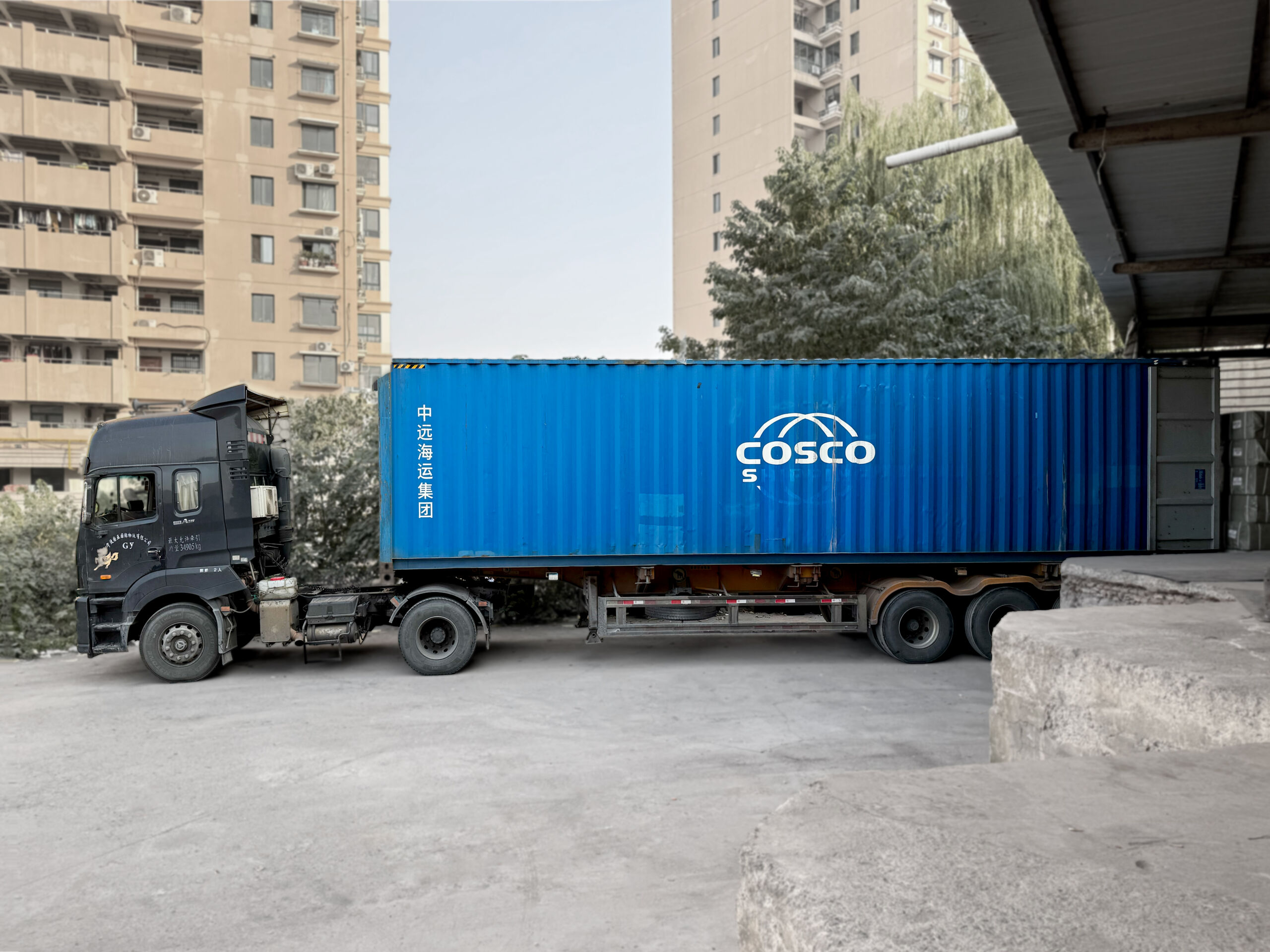
LCL vs FCL: The Basic Difference
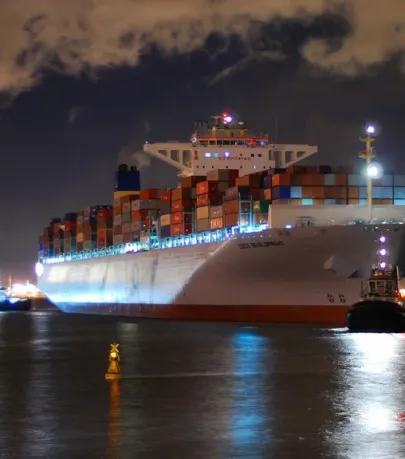
FCL (Full Container Load) means you pay for an entire container, sealed and shipped just for your goods, regardless of how full it actually is. LCL (Less than Container Load) means your cargo shares a container with other importers’ shipments, consolidated together at origin and split apart again at destination. Maersk’s own guide to ocean freight breaks down the mechanics well if you want the full carrier-side view.
When Container Consolidation Makes the Real Difference
The LCL vs FCL container consolidation decision usually comes down to volume. If your order fills a meaningful fraction of a 20-foot container on its own, FCL is almost always cheaper per unit: you’re not paying separate handling fees on top of freight. If you’re ordering smaller volumes, especially across several different suppliers, LCL consolidation is where the savings actually are: multiple suppliers’ goods combined into one container, one shipment, one customs clearance.
The Hidden Costs of Getting This Choice Wrong
Most of the waste in the LCL vs FCL container consolidation decision hides in fees nobody itemizes. LCL shipments carry consolidation and deconsolidation fees at both ends, plus extra handling as cargo moves through a container freight station rather than staying sealed from factory to destination. Push too much volume through LCL and those fees can quietly approach what a full container would have cost outright. The reverse mistake, booking FCL for a shipment that’s mostly empty space, is just as expensive, only more obviously so.
A Simple Way to See the Break-Even Point
A 20-foot container holds roughly 28–30 CBM of general cargo. If your order fills half of that or more, FCL is almost always the cheaper path per unit: you’re paying one flat rate regardless of exact volume, with no CFS handling fees layered on top. Once your shipment drops into the low-teens in CBM or below, LCL consolidation usually wins, because you’re only paying for the space you actually use rather than a mostly empty container. That break-even line is the whole LCL vs FCL container consolidation question expressed in a single number.
The trap is the middle ground: shipments in the mid-teens CBM range, where LCL’s per-CBM rate plus consolidation and deconsolidation fees can quietly climb close to what a full container would have cost. This is exactly the range where it’s worth getting an actual quote on both options rather than defaulting to whichever one you used last time.
When to Switch From LCL to FCL as You Scale
Growing importers often keep shipping LCL well past the point where FCL would save them money, simply because LCL is what they started with and switching feels like added complexity. In practice, the switch is worth revisiting every time your order volume grows meaningfully: what made sense at 8 CBM six months ago may not make sense at 15 CBM today. The LCL vs FCL container consolidation math changes with your business, not just with the shipment in front of you.
How Pioneer Group’s Warehouse Makes LCL Consolidation Work
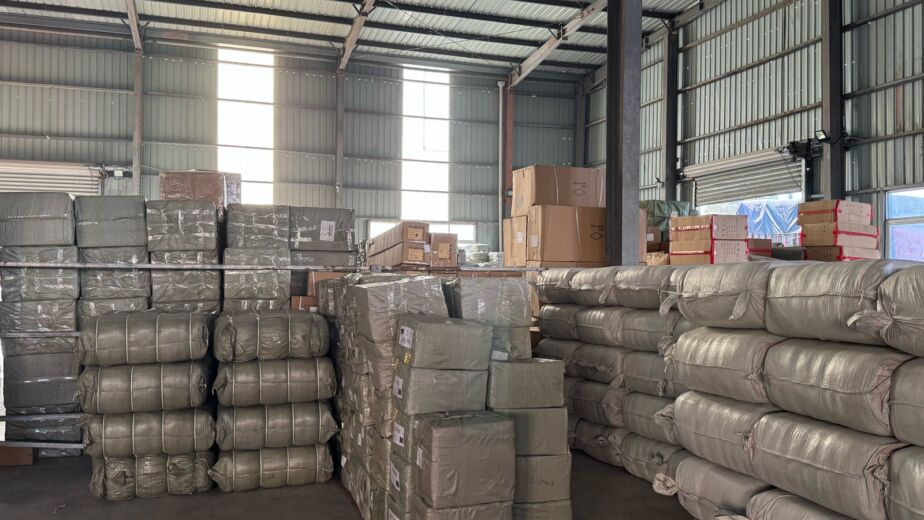
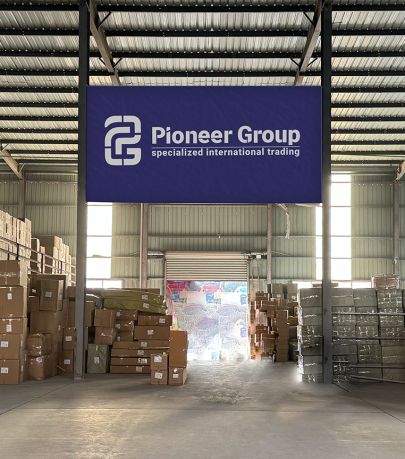
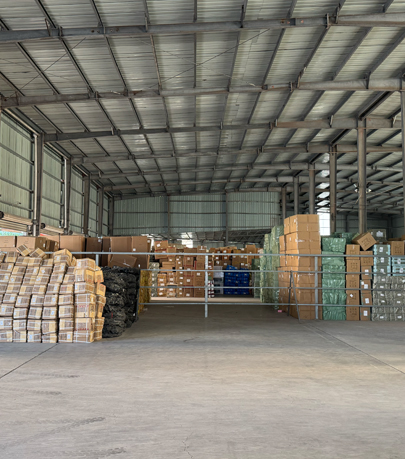
This is exactly why we built a 13,000㎡ warehouse in Yiwu. When you’re sourcing from multiple factories, we hold your goods at our warehouse: free for the first 30 days: and consolidate everything into a single container once your full order is ready. You get FCL-level efficiency on a multi-supplier order, without personally managing five separate LCL shipments and five separate customs headaches.
Not sure which makes sense for your next order? Send us your volume and supplier list and we’ll tell you honestly which option actually saves you money.
Sourcing goods from China?
Our team is based in Yiwu: the world\’s largest wholesale market. Get weekly insights on what\’s selling, pricing shifts and shipping routes, straight to your inbox.
Join importers from around the world · Unsubscribe anytimeHow Pioneer Group can help
Small orders from several suppliers rarely fill a container on their own. Goods are received at our Yiwu warehouse, held until your remaining suppliers deliver, then consolidated into a single shipment.
- Sourcing. Access to 5,000+ factories from an office in Yiwu, so you deal with the maker instead of a reseller.
- Quality inspection. Three stages, raw material, in production and pre shipment, with photo and video reports.
- Consolidation and shipping. Orders from many booths received at one warehouse and loaded as a single shipment.
Commission is 3 to 5 percent by order quantity, paid by you and never by the factory, with no hidden markup on the goods. Minimum order value is US$5,000. We reply within 2 hours during China business hours, in English, Chinese, Arabic, Russian, Turkish or French.
Talk to us: WhatsApp +86 190 2577 9716, info@pioneergptrading.com, or the contact form.
Pioneer Group is a China sourcing agent based in Yiwu, China, helping wholesale and bulk buyers source, inspect, consolidate, and ship orders from China.