Minimum order quantity China requirements are the wall most importers hit first: the product is right, the price is right, and then the factory asks for 5,000 units when you wanted 800. Before you walk away or overcommit, it helps to understand why the wall exists and where it bends. This guide covers both, plus a route around it that only works if you buy where the stock already exists.
The Minimum Order Quantity China Factories Quote (and Why)
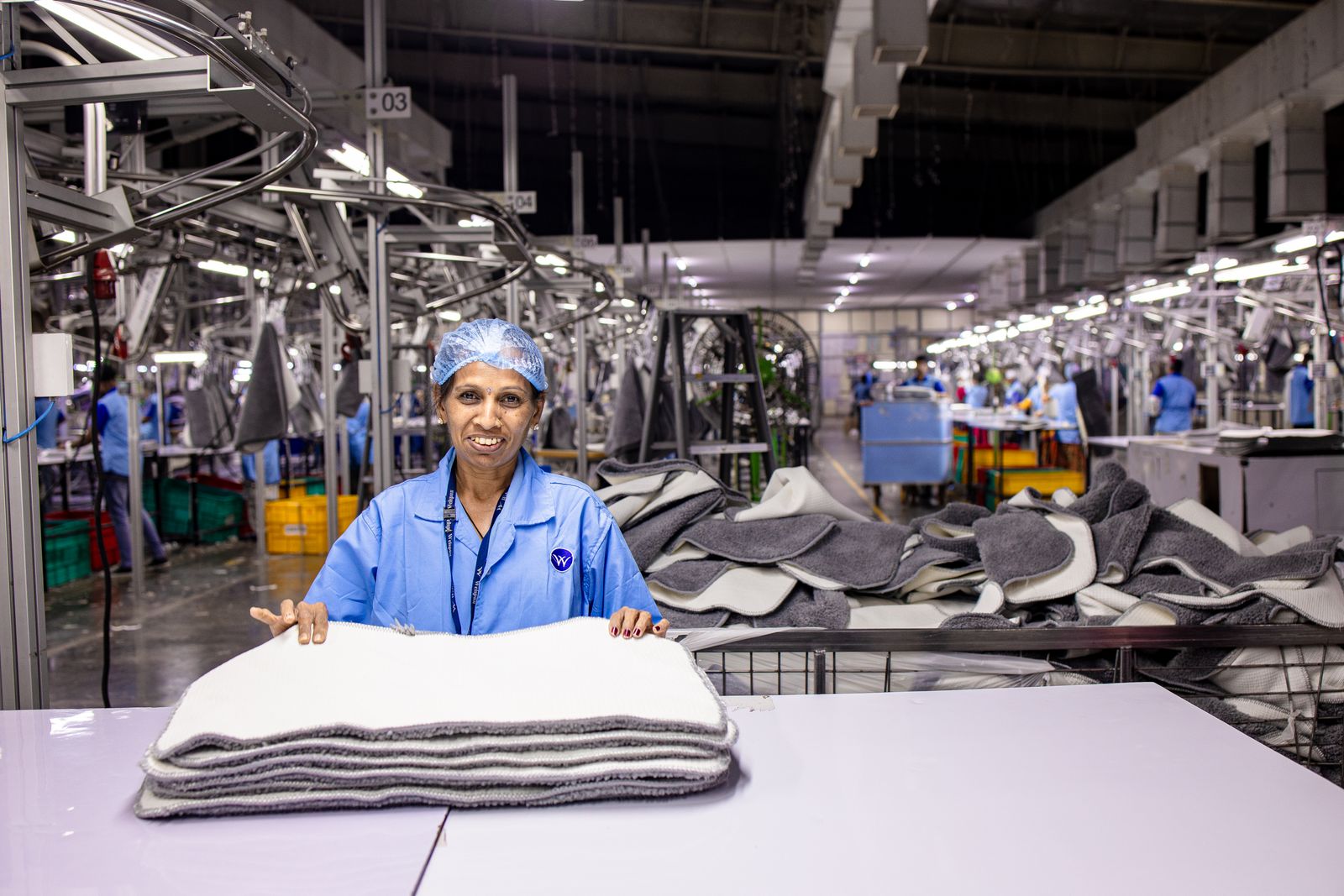
An MOQ is not stubbornness; it is arithmetic. A production run carries fixed costs: sourcing raw materials at wholesale volume, setting up and changing over the line, printing packaging, and allocating labor. Below a certain quantity those fixed costs make the order unprofitable at the quoted unit price. The underlying logic is the same one described in the classic economic order quantity model: batch size and unit cost are linked. Understanding this changes how you negotiate, because every tactic that lowers the factory’s fixed-cost burden gives them room to lower the minimum.
6 MOQ Negotiation Tactics That Work
- Negotiate on order value, not unit count. If you order three related SKUs made from the same material on the same line, many factories will treat them as one run and split the MOQ across them.
- Accept standard materials and colors. Custom dyes, custom packaging, and unusual materials are what force big minimums. Standard options ship from existing stock of inputs.
- Offer a staged commitment. A smaller first order with a written forecast for reorders gives the factory confidence to bend. Deliver on the forecast and the relationship compounds.
- Trade unit price for quantity. Factories will often cut the minimum order quantity China buyers face by 30 to 50 percent if you accept a modestly higher unit price that covers their fixed costs.
- Ask what drives their minimum. Sometimes it is one component with a supplier-side MOQ. Swap that component and the whole calculation changes.
- Buy through someone who aggregates demand. An agent placing regular volume with a factory can often place your order inside their larger flow, at terms no first-time buyer gets alone.
When Yiwu Beats Factory MOQs Entirely
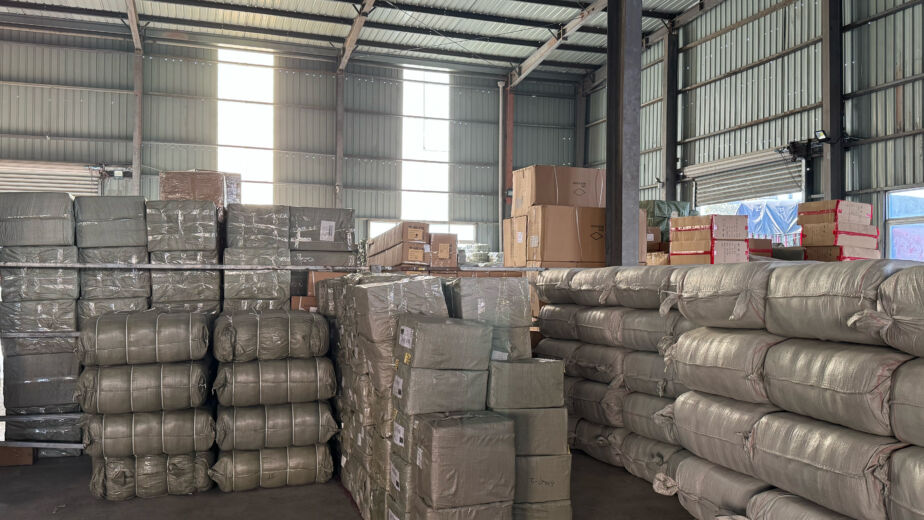
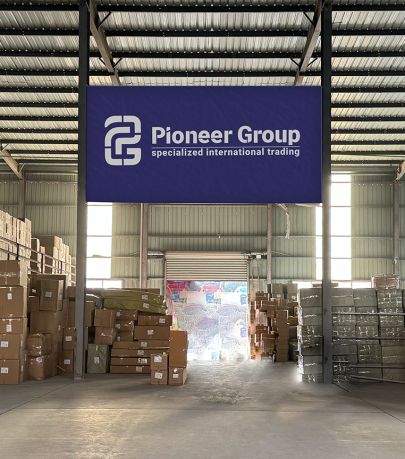
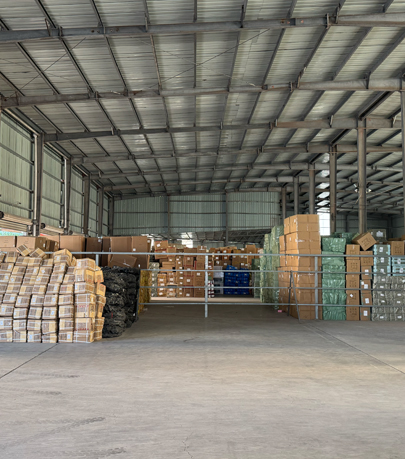
Here is the route many importers miss: the Yiwu wholesale market sells from stock. Across 75,000+ booths in the Yiwu International Trade City, suppliers hold finished goods that ship at far lower minimums than a custom factory run, sometimes by the carton. For mixed-product orders, you can combine dozens of suppliers into one container: browse the main wholesale product categories in Yiwu to see what ships from stock, and use a consolidation warehouse in Yiwu to merge everything into one shipment.
Pioneer Group is a China sourcing company based in Yiwu, serving bulk and container buyers. The team works across 5,000+ verified factories and the Yiwu market itself, negotiates in the local dialect, and regularly structures orders that satisfy the minimum order quantity China factories require while keeping the buyer’s cash commitment sane. Minimum order value is US$5,000, and every order is 100 percent inspected before shipping.
Minimum Order Quantity China: FAQ
What is a typical MOQ for Chinese factories?
The minimum order quantity China suppliers quote varies enormously by product: simple goods might start at 500 to 1,000 units, while custom-packaged or custom-material products can require 3,000 to 10,000. Market-stock goods in Yiwu often ship by the carton, far below factory minimums.
Can a sourcing agent really lower the MOQ?
Often, yes. Pioneer Group places continuous volume with factories it has verified over 10+ years, which creates negotiating room a one-time buyer does not have. The other lever is restructuring the order itself: same-material SKU bundles, standard options, or market stock instead of custom runs.
Does a lower MOQ always mean a higher unit price?
Usually somewhat, because the factory’s fixed costs spread across fewer units. The right comparison is total landed cost and risk: a slightly higher unit price on 1,000 units often beats tying up cash in 5,000 units of an unproven product.
Fighting an MOQ right now? Send the product and target quantity through the quote form and Pioneer Group will reply within 2 hours (business hours) with realistic options, from factory negotiation to Yiwu market stock.
How Pioneer Group can help
Factory MOQs are often set well above what a first order needs. We take your target quantity to suppliers across a network of 5,000+ factories and reply with the ones willing to run it, within 2 hours during China business hours.
- Sourcing. Access to 5,000+ factories from an office in Yiwu, so you deal with the maker instead of a reseller.
- Quality inspection. Three stages, raw material, in production and pre shipment, with photo and video reports.
- Consolidation and shipping. Orders from many booths received at one warehouse and loaded as a single shipment.
Commission is 3 to 5 percent by order quantity, paid by you and never by the factory, with no hidden markup on the goods. Minimum order value is US$5,000. We reply within 2 hours during China business hours, in English, Chinese, Arabic, Russian, Turkish or French.
Talk to us: WhatsApp +86 190 2577 9716, info@pioneergptrading.com, or the contact form.
Pioneer Group is a China sourcing agent based in Yiwu, China, helping wholesale and bulk buyers source, inspect, consolidate, and ship orders from China.