
Welcome to the heart of global trade. If you’ve ever wondered where the world’s most successful Amazon sellers and boutique owners find their winning products, the answer is Yiwu.
The Yiwu International Trade City (Futian Market) is more than just a marketplace; it’s a 5.5-million-square-meter engine of commerce that never stops. Whether you are a first-time importer or a seasoned pro, navigating this ‘ocean of commodities’ requires a solid map and a clear strategy.
In this definitive Yiwu Market Guide, we’ll break down everything you need to know: from a detailed floor-by-floor district map to professional negotiation tactics and the logistics of shipping your first container. By the end of this guide, you will have the roadmap to turn this massive market into your business’s greatest competitive advantage.
The Scale of Yiwu: Defining the Yiwu International Trade City
Imagine a marketplace so vast that if you spent only three minutes at each booth for eight hours a day, it would take you over a year to visit them all. This is not a hypercube from a sci-fi novel; it is the Yiwu International Trade City, commonly referred to as the Futian Market.
Spanning over 5.5 million square meters, the complex houses more than 75,000 individual showrooms. It serves as the primary artery for the world’s “small commodities” those everyday items that populate the shelves of retail giants and local boutiques alike. Unlike traditional shopping malls, Futian is a massive, permanent exhibition center where manufacturers from across China converge to display their latest innovations directly to global buyers.
The “Small Commodity” Paradise: Why it’s the #1 Choice
For the modern entrepreneur be it an Amazon FBA seller, a boutique owner, or a large-scale distributor Yiwu is unparalleled for several strategic reasons:
- Low Barriers to Entry: Unlike massive industrial hubs in Shenzhen or Ningbo that require high-volume orders, Yiwu is built on “small commodities.” Suppliers here are accustomed to smaller, diversified orders, making it the perfect incubator for growing brands.
- Infinite Variety: From the latest viral TikTok gadgets and sustainable kitchenware to intricate fashion jewelry and seasonal decorations, if it exists in the consumer market, it is manufactured or represented here.
- Market Sensitivity: Yiwu is the world’s trendsetter. New products often hit the showrooms here months before they appear on global e-commerce platforms, giving importers a significant “first-mover” advantage.
Yiwu vs. Canton Fair: A 365-Day Opportunity
While the Canton Fair in Guangzhou is world-renowned, it is a temporary event held only twice a year. This creates a high-pressure environment with peak pricing and limited windows for negotiation.
In contrast, the Yiwu Market is open year-round (excluding the Chinese New Year period). This “permanent fair” model offers distinct advantages:
- Flexibility: You can visit on your schedule, not a fixed calendar.
- Price Stability: Without the “fair-season” surge, prices remain more consistent and reflect the true market value.
- Relationship Building: You have the time to visit factories, refine prototypes, and build long-term trust with suppliers without the frantic rush of a five-day trade show.
Navigating the Labyrinth: Detailed District Breakdown
Navigating the Yiwu International Trade City (Futian Market) without a plan is like trying to cross an ocean without a compass. The market is organized into five primary districts, each connected by pedestrian bridges, but each housing a completely different world of products.
To maximize your sourcing efficiency, you must understand the layout. Here is the definitive breakdown of what you will find in each hall.
District 1: The Creative Hub (Opened 2002)
District 1 is often the first stop for many importers. It is the most colorful and diverse section, specializing in items that require high turnover and seasonal updates.
- 1st Floor: Common toys, inflatable toys, electric toys, and artificial flowers/plants.
- 2nd Floor: Fashion jewelry, hair ornaments, and traditional accessories.
- 3rd Floor: Festive crafts (Christmas and Halloween decorations), decorative arts, and religious items.
- 4th Floor: Manufacturer outlet centers and specialized jewelry sourcing for higher-end buyers.
Understanding the geography of the market is crucial. You can find a detailed breakdown of all five districts in our [ultimate Yiwu sourcing roadmap].
District 2: Hardware and Industrial Goods (Opened 2004)
This district is significantly more industrial and is characterized by “functional” products. It is the go-to destination for construction, travel, and home utility.
- 1st Floor: Suitcases, backpacks, and travel bags.
- 2nd Floor: Hardware tools, locks, electrical products, and heavy-duty equipment.
- 3rd Floor: Kitchenware, small home appliances, clocks, watches, and telecommunications equipment.
- 4th Floor: High-end electronics and specialized brand showrooms.
District 3: The Office and Beauty Sector (Opened 2005)
District 3 caters to the educational and aesthetic industries. If you are in the stationery or beauty business, this floor-by-floor layout is your goldmine.
- 1st Floor: Pen and ink, paper products, and general stationery.
- 2nd Floor: Sporting goods, outdoor leisure gear, and fitness equipment.
- 3rd Floor: Cosmetics, beauty tools, and salon supplies.
- 4th Floor: Apparel accessories (buttons, zippers) and buttons.
District 4: The Heart of Daily Necessities (Opened 2008)
District 4 is arguably the most essential section for general retailers. It covers the high-demand, high-frequency consumables that drive global retail traffic.
- 1st Floor: Socks and hosiery.
- 2nd Floor: Daily sundries (kitchen cleaning supplies), gloves, hats, and grocery items.
- 3rd Floor: Sewing thread, ribbons, lace, and shoe accessories.
- 4th Floor: Underwear, bras, belts, and high-volume textile accessories.
District 5: Global Commodities and Textiles (Opened 2011)
The newest and most modern district, District 5, feels like a bridge between China and the rest of the world.
- 1st Floor: Imported Goods Hall (products from Africa, Europe, and SE Asia) and jewelry raw materials.
- 2nd Floor: Bedding, linens, and home textiles.
- 3rd Floor: Curtains, upholstery fabrics, and knitting materials.
- 4th Floor: Auto parts, motorcycle accessories, and pet supplies.
Comparison Table: Quick-Glance District Guide
| District | Primary Focus | Best For |
| District 1 | Creative & Seasonal | Toys, Jewelry, Christmas Decor |
| District 2 | Hardware & Utility | Tools, Luggage, Kitchen Tech |
| District 3 | Professional & Aesthetic | Stationery, Beauty, Sports |
| District 4 | Daily Consumables | Socks, Belts, Sewing Supplies |
| District 5 | Textiles & Imports | Bedding, Curtains, Auto Parts |
Pro Tip: Wear comfortable walking shoes. Even with a map, you will likely walk several miles in a single day. If you find a supplier you like, always take a photo of the booth number (e.g., Booth 12345) and their business card immediately.
The Yiwu Market Product List: Sourcing for 2026
To succeed in Yiwu, you must look beyond the sheer volume and focus on high-margin, high-demand categories. While the market offers millions of SKUs, three “core” industries form the backbone of Yiwu’s export economy.
Core Categories: A Deep Dive
1. Toys: The Global Playground
District 1 is world-famous for its toy selection. In 2026, the shift has moved from simple plastic novelties to high-value Educational and STEM toys.
- What’s Hot: DIY robotics kits, sustainable wooden puzzles, and “smart” plush toys that integrate with storytelling apps.
- Pro Tip: Ensure your supplier provides EN71 or ASTM certifications if you are exporting to the EU or US. Without these, your shipment may be seized at customs.
2. Fashion Jewelry: Fast Fashion’s Secret Weapon
Yiwu supplies roughly 70% of the world’s costume jewelry. The speed at which Yiwu designers mimic runway trends is staggering.
- What’s Hot: Minimalist Waterproof jewelry (PVD gold-plated stainless steel) and chunky “Gen-Z” aesthetic pieces.
- Pro Tip: Ask for Nickel-free and Lead-free materials. Many showrooms offer customization (OEM) where they can engrave your brand logo on the clasps for a very low additional fee.
3. Home Decor: The Lifestyle Upgrade
With more consumers focusing on “Home Aesthetics,” Yiwu’s home decor section has expanded into sophisticated, minimalist designs that rival high-end retail chains.
- What’s Hot: Nordic-style ceramic vases, Macramé wall hangings, and LED ambient lighting solutions.
- Pro Tip: Home decor items can be fragile. Discuss reinforced packaging (double-corrugated boxes) with your agent to prevent breakage during sea transit.
Trending in 2026: The “Viral” Hits
In 2026, the Yiwu market has adapted to the “TikTok Economy,” where trends move at lightning speed. If a product is going viral on social media, you will find it in Yiwu first.
- Eco-Friendly Daily Goods: Sustainability is no longer a niche; it’s a requirement. Look for Bamboo-based kitchenware, biodegradable phone cases, and reusable silicone food storage. District 4 is currently seeing a massive surge in “Green” daily necessities.
- Smart Home Gadgets: 2026 is the year of the “Connected Home.” Trending items include AI-integrated desk lamps, smart pet feeders with built-in cameras, and portable 3-in-1 wireless charging stations.
- “TikTok-Viral” Novelties: Keep an eye out for “Sunset Lamps,” “Anti-Gravity” water humidifiers, and aesthetic desktop organizers. These products have high perceived value and are lightweight, making them perfect for e-commerce and dropshipping.
Strategic Sourcing: How to Buy (Step-by-Step)
Buying in Yiwu is not like shopping at a retail mall; it is a professional negotiation process that requires a tactical approach. To ensure you walk away with the best products at the lowest possible prices, follow this strategic sourcing roadmap.
Pre-Trip Preparation: Identifying Target SKUs and Budgeting
The biggest mistake new importers make is entering the Futian Market without a “Battle Plan.” With 75,000 booths, you will get lost in the variety.
- Create a Sourcing List: Before you land in China, identify 10–20 specific SKUs (Stock Keeping Units). Use Amazon, TikTok, or local retail data to find high-demand items.
- Set a “Land Price” Budget: Calculate your maximum buying price including shipping and customs. If a product costs $2 in Yiwu but needs to retail for $15 to be profitable after 30% shipping costs, you have your “walk-away” number.
- Sample Strategy: Prepare a digital folder of photos and technical specifications for the products you want. Showing a supplier a high-quality photo immediately bridges the gap.
The “Booth” Strategy: How to Communicate (Language Tips)
While English is increasingly common among younger sales reps, many “bosses” in the booths speak limited English.
- The Business Card Exchange: This is the “handshake” of Yiwu. Always hand your card with two hands. In return, the supplier will give you theirs. Immediately write the price they quoted and the booth number on the back of their card so you don’t forget.
- Essential “Chinglish” Phrases: “Bao Jia?” (Price quote?)
- “MOQ?” (Minimum Order Quantity?)
- “Ready Stock?” (Is it in the warehouse now?)
- “CBM?” (How much space does one carton take?)
- Use Visuals: Use a calculator to type in numbers. It is the universal language of the market.
Negotiation Tactics: Getting the “Local Price”
Suppliers often have two prices: the “Expat Price” (higher) and the “Local Price” (lower). To bridge this gap:
- Don’t Show Excessive Excitement: If you love a product, act indifferent. If they think you are desperate, the price stays firm.
- The “Future Volume” Play: Even if you are buying 10 cartons today, talk about your “long-term brand expansion.” Suppliers in Yiwu value repeat business over one-time high-margin sales.
- Benchmark: Visit at least three booths in the same district selling the same item. Mentioning “The shop in District 2 quoted me 0.50 RMB less” often triggers an immediate discount.
Understanding MOQs: The Yiwu Advantage
The primary reason Yiwu is the #1 choice for small businesses is the Flexible MOQ.
- Factory Direct vs. Yiwu: A factory in Shenzhen might demand 5,000 units of a single color. A Yiwu wholesaler might allow you to take 1–2 cartons (approx. 24–48 units).
- Mixed Cartons: Many suppliers allow “Mixed SKUs,” meaning you can take 5 different colors of a product within the same carton. This allows you to test the market without heavy capital risk.
- Ready Stock Advantage: Many items in Districts 1 and 4 are “Ready Stock,” meaning they are sitting in a local warehouse and can be delivered to your agent’s warehouse within 24 hours.
Key Takeaway: In Yiwu, the price is rarely fixed. However, don’t squeeze the supplier too hard. If you force a price that is “too low,” they may compensate by using lower-quality packaging, leading to damaged goods during the long sea voyage.
Logistics & Global Shipping Overview
Finding the right products is only half the battle; getting them from a crowded booth in Zhejiang to your warehouse door is where the real complexity begins. Yiwu’s logistics infrastructure is world-class, designed specifically to handle the “small commodity” model that defines the city.
The Consolidation Process: How to Combine 50 Suppliers into 1 Container
The “Yiwu Miracle” lies in consolidation. Because most traders buy small quantities (1–5 cartons) from dozens of different shops across all five districts, shipping them individually would be financially impossible due to separate documentation and local hauling fees.
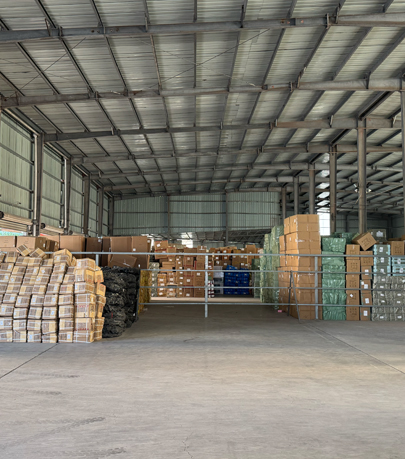
- The Warehouse Hub: Your Yiwu agent will provide a local warehouse address. As you place orders, each supplier delivers their specific cartons to this central hub.
- The Tally & Inspection: Once all goods arrive, your agent matches the physical cartons against your “Booking Note.” This ensures that if you bought from 50 suppliers, all 50 delivered exactly what was promised.
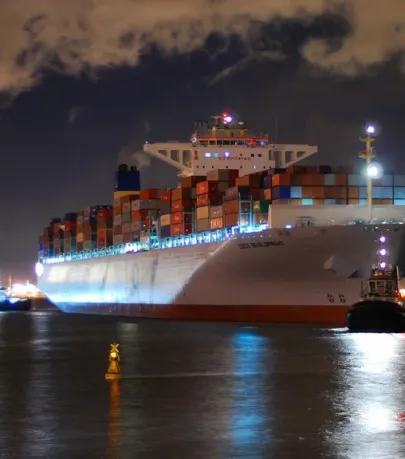
- Container Loading: Professional loaders then “puzzle-piece” your various goods into a 20ft (approx. 28 CBM) or 40ft (approx. 68 CBM) container. This maximizes every cubic inch of space, significantly lowering your landed cost per unit.
Shipping Methods: Choosing Your Route
Depending on your budget and urgency, Yiwu offers three primary arteries to the global market:
1. Sea Freight (LCL vs. FCL)
- FCL (Full Container Load): Best if you have enough goods to fill a whole container. It’s faster and safer as the container is sealed at the Yiwu warehouse.
- LCL (Less than Container Load): If you only have a few cubic meters, your goods share a container with other traders. It’s cost-effective but takes longer due to sorting at both ends.
- Port of Choice: Most Yiwu cargo leaves via Ningbo Port (the world’s busiest) or Shanghai Port, both just a few hours away by truck.
2. Air Cargo & Express
- Best For: Jewelry, electronics, or “test” batches of trending products.
- Speed: 3–7 days to most global destinations.
- Cost: High. Only viable for lightweight, high-margin items where “speed to market” is the priority.
3. The Yiwu-Europe Railway (The New Silk Road)
- The Route: This is the longest railway in the world, stretching from Yiwu through Central Asia and Russia into Germany and Spain.
- The “Middle Ground”: It is roughly twice as fast as sea freight and 70% cheaper than air freight. For European importers, this is a game-changer for seasonal goods like Christmas decorations that need to arrive before the peak shopping window.
Logistics Strategy: Understanding Incoterms (like FOB, EXW, or DDP) is vital to avoid hidden fees at the port.
To understand which floor best suits your business needs, refer to our comprehensive [Yiwu Market Guide for Wholesale Buyers] which breaks down every district in detail.
The Power of a Yiwu Export Agent (Conversion Focus)
Many first-time importers wonder: “Can I just go to the market and buy everything myself?” While technically possible, “going solo” in Yiwu is often a recipe for logistical exhaustion and financial risk. This is where a professional Yiwu Export Agent becomes your most valuable business partner.
Why You Can’t Go Solo: The Risks of Discrepancies
In a market with 75,000 booths, consistency is the biggest challenge. A common issue is the “Sample vs. Mass Production” gap where the golden sample you saw in the booth looks nothing like the 500 units that arrive at your door. Without a local representative to physically open those boxes before they leave China, you have zero leverage once the ship sails.
Service Scope: Your Eyes and Ears on the Ground
A top-tier Yiwu agent provides a “turnkey” solution that covers the entire supply chain:
- Sourcing & Translation: They navigate the dialects and technical jargon to ensure your specifications (material, color, weight) are perfectly understood.
- Quality Control (QC): They perform “In-Warehouse Inspections.” If a product is defective, they reject it immediately and demand a replacement or refund from the supplier.
- Warehousing & Loading: They provide the physical space to store your goods from multiple districts and oversee the professional loading of your container.
- Customs & Documentation: They handle the complex export licenses and paperwork required to clear Chinese customs legally.
Financial Security: A Centralized Payment Gateway
Paying 50 different suppliers via international wire transfer is a nightmare of bank fees and accounting errors. An agent acts as a secure clearinghouse. You send one payment to the agent, and they distribute the funds to the dozens of shops you purchased from. This not only saves hundreds in transaction fees but also ensures suppliers only get paid once the goods have passed inspection.
Yiwu Travel Guide for Beginners
A successful sourcing trip starts with a smart itinerary. Yiwu is a city built for business, but it operates on its own unique rhythm.
Best Time to Visit: Planning Your Calendar
- The Golden Windows: April to June and September to November offer the best weather and the newest product releases.
- The “Blackout” Period: Never visit during Chinese New Year (usually late January or February). The market shuts down completely for 3–4 weeks as workers return to their hometowns.
- The Yiwu Fair: Held annually in October, this is a massive international exhibition that overlaps with the permanent market, offering even more specialized sourcing opportunities.
Survival Tips: Hotels, Transport, and Dining
- Where to Stay: Choose hotels within walking distance of District 1 or 2, such as the Ocean Hotel or the Yiwu Marriott. Staying close saves you hours of battling Yiwu’s notorious afternoon traffic.
- Local Transport: Download Didi (China’s version of Uber). It is significantly easier and cheaper than hailing traditional taxis, and you can input your destination in English.
- Dining: The area around the market is famous for its diverse international food, particularly Middle Eastern and Indian cuisine, reflecting the global nature of the traders who live there.
Opening Hours: The 9:00 AM – 5:00 PM Rule
Unlike the neon-lit shopping streets of Shanghai, the Futian Market is strictly professional. Doors open at 9:00 AM, and by 4:30 PM, shop owners begin packing up. By 5:00 PM, the lights go out. To make the most of your day, arrive early and take your “lunch break” inside the market’s cafeteria to avoid losing time.
Safety & Scam Prevention
While Yiwu is generally very safe for international business, being “street smart” about your sourcing can save you thousands of dollars.
Red Flags: Trading Companies vs. Factories
Many booths claim to be “The Factory.” In reality, many are middleman trading companies.
- How to tell: Ask for a factory audit or a video of the production line. If the shop sells 20 completely different types of products (e.g., socks, umbrellas, and electronics), they are almost certainly a trading company. This isn’t always bad, but it means you are paying an extra margin.
Payment Safety: The “Cash” Trap
Be extremely wary of any supplier who demands 100% cash upfront or asks you to send money to a personal bank account instead of a business account.
- The Standard: The industry standard is a 30% deposit to start production/pull stock, and the remaining 70% balance paid after your agent has inspected the goods and confirmed they are ready to ship.
Detailed FAQ: Solving Trader Pain Points
Navigating the world’s largest wholesale hub naturally comes with a steep learning curve. To help you hit the ground running, we’ve answered the most pressing questions from international traders.
Can I buy just one piece?
Generally, no. The Yiwu Market is a wholesale venue, not a retail mall. Most suppliers sell by the carton (e.g., 24, 48, or 100 units). However, if you are looking for samples, many shop owners will sell you a single piece at a higher “sample price,” or even give it to you for free if they believe a large order is coming. For single-unit shopping, the nearby Huangyuan Clothing Market or online platforms like AliExpress are better suited.
Do suppliers speak English?
Language proficiency varies. Most booths are staffed by younger sales reps who speak “Market English” enough to discuss prices, quantities, and basic specs. However, for technical details, legal terms, or complex customization, communication can break down. This is why having a Yiwu Sourcing Agent or a translator is highly recommended to avoid costly misunderstandings.
What are the payment terms (30/70)?
The standard “Yiwu Rule” is a 30% deposit upon placing the order and the 70% balance paid once the goods are ready and have passed inspection at your agent’s warehouse. Be wary of any supplier demanding 100% upfront for a first-time order.
Is a visa required for Yiwu?
Yes. To enter China, most international travelers require a “Business Visa” (M Visa) or a “Tourist Visa” (L Visa). If you are visiting specifically for sourcing, an M Visa is the professional choice. Your Yiwu agent can often provide an official Invitation Letter, which is a mandatory requirement for the visa application process at your local Chinese embassy.
In Conclusion: Your Gateway to Global Scale
The Yiwu International Trade City is more than just a collection of buildings; it is a competitive advantage waiting to be unlocked. For small business owners and Amazon sellers, it offers the unique ability to source high-quality, trending products with low MOQs levels of flexibility that traditional factories simply cannot match.
However, the sheer scale of the market can turn a dream sourcing trip into a logistical nightmare if you aren’t prepared. From navigating the five massive districts to ensuring your 2026 trending products are shipped securely, success in Yiwu requires a blend of local knowledge and professional oversight.
Stop Searching, Start Sourcing
Don’t leave your business growth to chance. Whether you are looking to source your first container or need a boots-on-the-ground partner to handle quality control and consolidation, our team of Senior Yiwu Sourcing Experts is here to bridge the gap.
Ready to scale your business with the power of Yiwu? [Book a Free Sourcing Consultation Today] and let us turn the world’s largest market into your private warehouse.
