
Reordering from China should be the easy part. The product is proven, the supplier knows your account, and the paperwork already exists. Yet repeat orders fail more often than first orders, and they fail quietly. Nothing looks wrong until the goods land. Here are the six ways reordering from China goes wrong, and how to see each coming.
Why reordering from China gets harder, not easier
A first order gets attention because you are a prospect. Once you are a routine customer, that attention moves elsewhere. Nothing malicious happens. Margins get protected, corners get taken, and the shared understanding of what your order means drifts from what you approved.
1. Specification drift
No single change is large enough to mention. A different zip, a thinner wall on a moulded part, a slightly different shade of the same colour. Each is defensible alone. Six orders later the product is not the one you signed off. The fix is a sealed golden sample and a written specification sheet both sides refer to every time.
2. Material substitution to protect margin
A supplier holding your old price through rising costs can absorb the loss or change the material. The second is easier and invisible in a photograph. Watch for it whenever metals, resins, cotton or board prices move. Ask what has been changed, not whether anything has changed. The second question is too easy to answer with no.
3. Price creep around the third order
Order one is priced to win you. Order two holds. Order three is where the real number appears, explained by exchange rates, materials or labour. Some of that is genuine, so the test is whether the increase is evidenced or vague. A supplier who can show which cost line moved is negotiating. One who cannot is testing you.
4. Quality slipping once the account feels secure
A supplier who believes you have nowhere else to go inspects their own output less. A defect rate of two percent becomes five, then eight, one carton at a time rather than as one obvious failure. Inspection catches this and nothing else does, so check repeat runs as hard as the first.
5. Lead times stretching quietly
Reordering from China makes you a routine account, so your slot moves behind whoever is being won this month. Twenty five days becomes thirty five, and nobody announces it. Confirm the completion date in writing when you pay the deposit, not in the final week when there is no room to react.
6. Packaging downgraded without notice
Cartons get thinner, inner dividers disappear, printing gets cheaper. Each change saves the supplier money and costs you damaged stock at the other end. Packaging is the easiest thing to trim because buyers rarely specify it twice. Put carton grade, pieces per carton and inner packing into every order, not just the first.
One supplier or two for the same product
A second supplier gives you a live benchmark on price and quality, and removes the leverage of being someone’s only option. It also costs volume discounts, doubles your inspection workload, and risks two versions of the same item on your shelf. The rule: consolidate volume with one supplier while the product is stable and the relationship honest, and add a second the moment one factory controls a product you cannot afford to lose. Vet it with the same supplier verification checks you ran at the start.
Build a reorder calendar backwards
Most stockouts are calendar failures, not supplier failures. Work backwards from the date you need goods on the shelf. Subtract sea transit, customs clearance, loading, production lead time, sample approval if anything changed, and a buffer for Chinese New Year and the October holiday. What remains is the date the order must be placed. Add a step if you are combining suppliers, since consolidation takes time too.
Where reordering from China stops being a single task
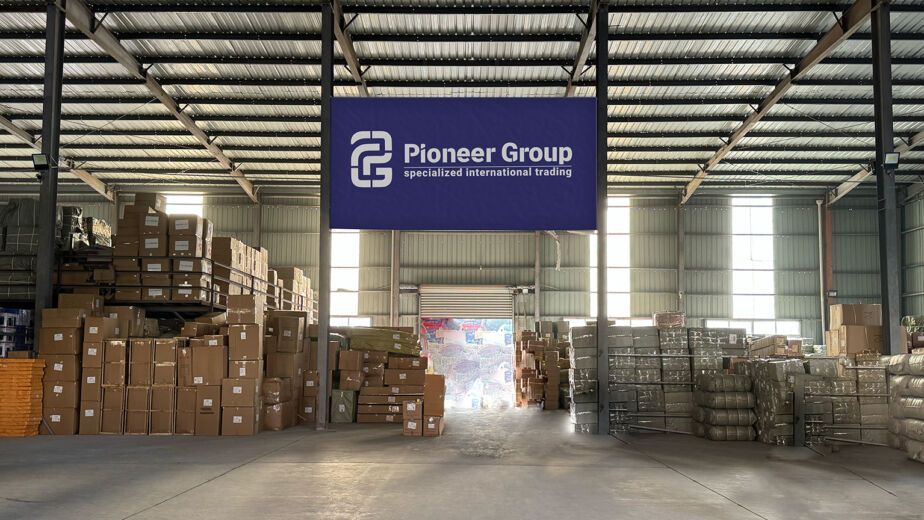
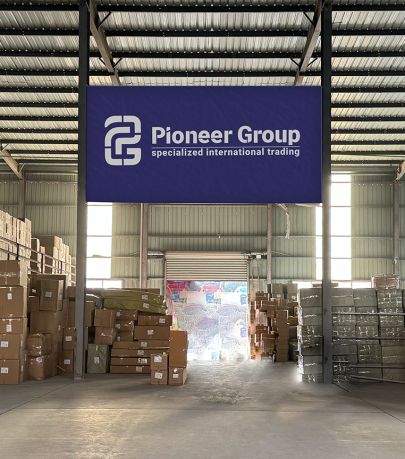
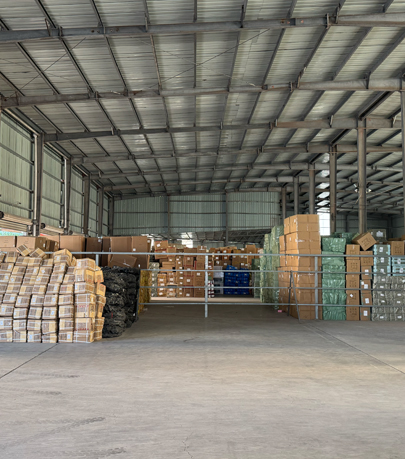
All of this is manageable by hand on one product with one supplier. It stops being a task once you are reordering from China across several suppliers at once. Then you need goods arriving in one place instead of five, quality control applied consistently batch to batch, and a written record of specifications and prices so drift is visible, not remembered. That is standing infrastructure, and it is the part of their own supply chain that growing importers underestimate. As a China sourcing agent based in Yiwu, Pioneer Group inspects every batch against the approved sample, and our warehouse in Yiwu consolidates repeat orders before they ship.
Frequently asked questions
Do I need to inspect a repeat order?
Yes, every time. Skipped inspection is why quality drifts, because suppliers learn which shipments are actually checked.
How far ahead should I start reordering from China?
Far enough that production, consolidation and shipping finish before your stock runs out. For most wholesale buyers shipping by sea, that means ordering with two to three months of cover left.
How Pioneer Group can help
Repeat orders drift when the factory changes material or finish between runs. We inspect every reorder against the approved first production sample at raw material, in production, and pre shipment stages, with photo and video reports.
- Sourcing. Access to 5,000+ factories from an office in Yiwu, so you deal with the maker instead of a reseller.
- Quality inspection. Three stages, raw material, in production and pre shipment, with photo and video reports.
- Consolidation and shipping. Orders from many booths received at one warehouse and loaded as a single shipment.
Commission is 3 to 5 percent by order quantity, paid by you and never by the factory, with no hidden markup on the goods. Minimum order value is US$5,000. We reply within 2 hours during China business hours, in English, Chinese, Arabic, Russian, Turkish or French.
Talk to us: WhatsApp +86 190 2577 9716, info@pioneergptrading.com, or the contact form.
Pioneer Group is a China sourcing agent based in Yiwu, China, helping wholesale and bulk buyers source, inspect, consolidate, and ship orders from China.