You send the deposit, and the messages get shorter. Production lead times in China are not one number, they are a chain of steps, and every step can move. This post sets out what those weeks contain, in order, so you can count backwards from your shelf date. It stops at the port, where freight begins.
The honest answer: 30 to 60 days is a norm, not a promise
Buyers want one number they can put in a plan, and the quote gives them one. It carries two assumptions that are rarely stated out loud, and both of them decide whether the number holds.
What the 30 to 60 day range assumes
Most suppliers quote roughly 30 to 60 days for a standard order. That range is a fair planning assumption, not a guarantee. It assumes a line that is not already full and a spec that does not change.
Where the clock actually starts
The bigger question is where the clock starts. A quoted “35 days” rarely means 35 days from the moment your money lands. It means 35 days from the day specs are locked and the pre-production sample is approved.
That gap alone can be two weeks. Write the start condition into the invoice: production days begin on written sample approval.
The 6 stages inside production lead times in China
The quoted number covers six separate stages. Each stage has a different owner inside the factory, and each one can slip quietly without the stage after it being told.
Stages 1 to 3: spec lock, materials, and samples
- Order confirmation and spec lock. Final invoice, artwork, colours, material grade, carton size, labelling. Two days to two weeks. Nothing real starts until this is frozen.
- Materials procurement. The factory buys fabric, resin, hardware, printed cartons. Five to fifteen days. Quiet delays hide here: your factory sits inside its own supply chain and depends on suppliers you never see.
- Sampling or tooling. First orders only. A pre-production sample takes seven to fifteen days with courier time. A new mould takes twenty to forty-five days and is paid separately. Check the five sample types first.
Stages 4 to 6: the run, packing, and the port
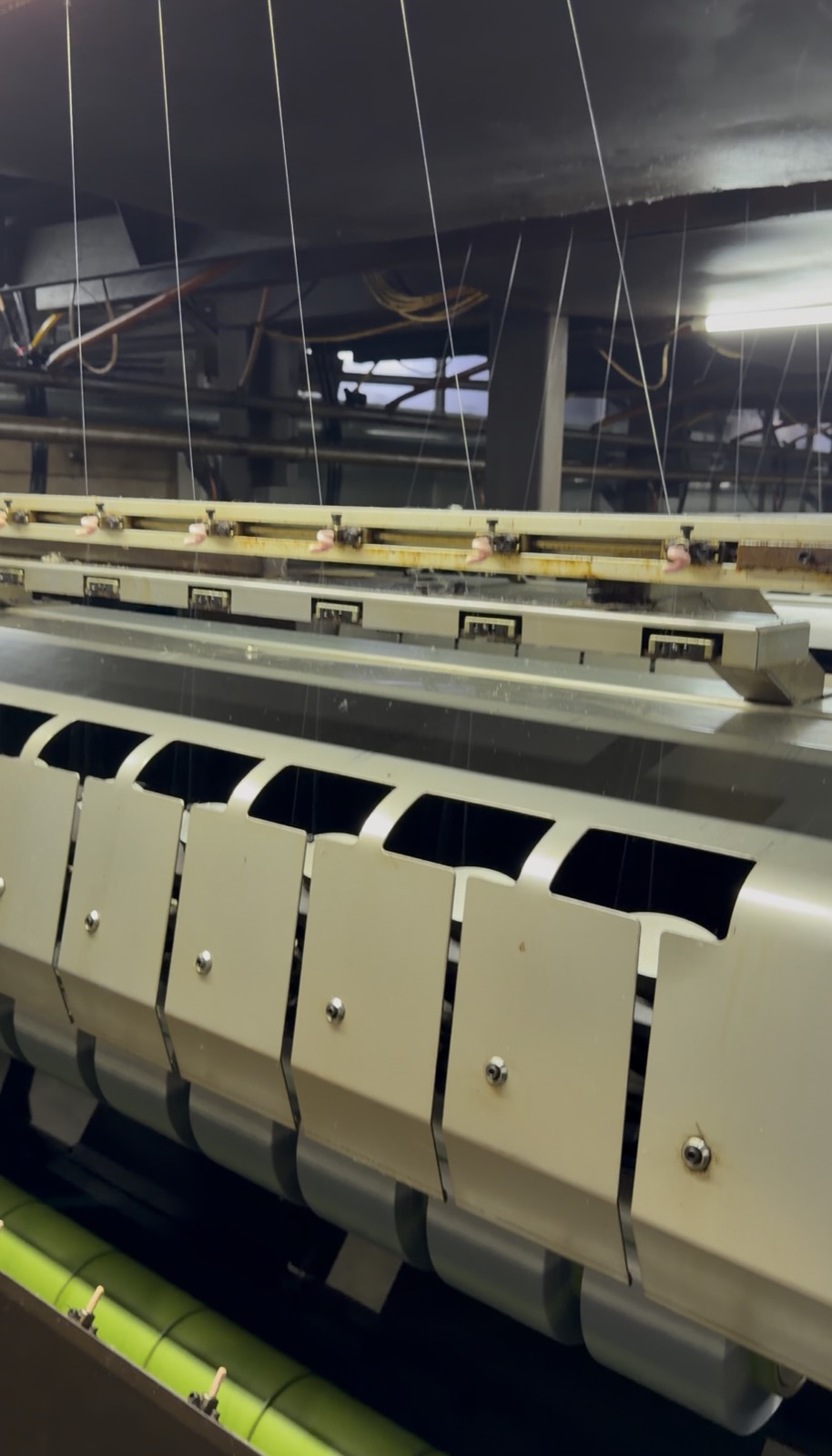
- The production run. The part buyers assume is the whole timeline. Fifteen to thirty days for a standard order, longer for large or multi-process orders.
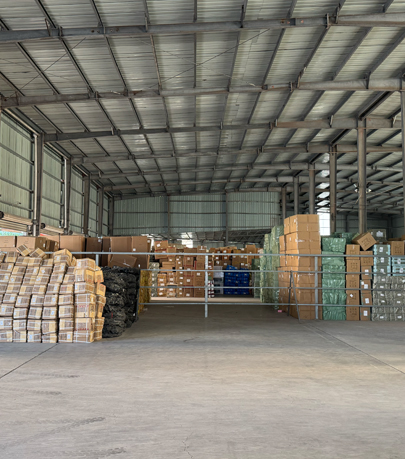
- Packing. Inner boxes, barcodes, shipping marks, carton sealing. Two to five days, more when retail packaging is printed late. See export packaging basics.
- Booking and inland transport to port. Space booked, cartons trucked to Ningbo or Shanghai, cut-off met. Three to seven days. Miss a cut-off by one afternoon and you wait for the next vessel.
Why a first order is slower, and what adds weeks
A first order and a repeat of the same item are not the same job. The difference is worth understanding before you promise a date to your own customer.
The one-time costs a repeat order never pays again
A first order pays one-time costs a repeat order never pays again: tooling, artwork approval, printing plates, the sample loop, and the factory learning your standard. Strip those out and a repeat of the same item often runs fifteen to twenty days faster.
What adds the most weeks
Three things stretch production lead times in China more than anything else:
- Spec changes after the deposit. Changing a colour, logo position or carton size after materials are bought resets part of the chain. One small change can cost two weeks.
- Peak season capacity. From August to October factories fill with Christmas volume. Your order queues behind bigger ones.
- The Chinese New Year shutdown. Factories close for two to four weeks and workers return in waves. The month before is a capacity crunch, the month after a slow restart. Plan with a seasonal buying calendar.
Counting backwards from your shelf date
So count backwards. The table below works back from goods on the shelf on 1 June.
| Step, working back from the shelf date | Time to allow |
|---|---|
| Customs and local delivery | Two weeks |
| Sea transit | Four to five weeks |
| Port cut-off and booking | One week |
| Production | Six weeks |
| Spec lock and sampling | Three weeks |
Your deposit has to land in mid-January, before the holiday shutdown.
Where production lead times in China need a person on the ground
This article teaches the sequence and the arithmetic. It deliberately does not teach the one thing that protects your date: watching production while it happens, and catching slippage in week three instead of week eight. That takes someone who can call the production manager in Chinese, ask what was moulded or stitched today, then drive to the factory and look at the line.
A factory three weeks behind rarely says so: it says “almost finished” and sends a photo taken last month. Only presence tells you whether the line is running or waiting on a missing component. A Yiwu sourcing agent does that locally: standing on the floor, reading the line, and giving you the real date in week three.
Frequently asked questions
Do production lead times in China include shipping?
No. Production ends when cartons leave the factory for the port. Sea transit is a separate number. Ask for both figures, not one blended estimate.
Can I make the quoted date binding?
Partly. Put the ship-ready date in the proforma invoice, define when the clock starts, and agree what happens if it slips. Most factories refuse penalties on a small first order, so the real protection is monitoring. Pioneer Group inspects in three stages, including during production, with photo and video reports.
How do production lead times in China change around Chinese New Year?
Add three to six weeks to anything crossing the holiday. Place deposits before the December rush: capacity sells out early and quality slips when lines are pushed.
How Pioneer Group can help
After the deposit is paid, the order goes quiet and delays usually surface when the ship date slips. We check at the raw material and in production stages and send photo and video reports at each one.
- Sourcing. Access to 5,000+ factories from an office in Yiwu, so you deal with the maker instead of a reseller.
- Quality inspection. Three stages, raw material, in production and pre shipment, with photo and video reports.
- Consolidation and shipping. Orders from many booths received at one warehouse and loaded as a single shipment.
Commission is 3 to 5 percent by order quantity, paid by you and never by the factory, with no hidden markup on the goods. Minimum order value is US$5,000. We reply within 2 hours during China business hours, in English, Chinese, Arabic, Russian, Turkish or French.
Talk to us: WhatsApp +86 190 2577 9716, info@pioneergptrading.com, or the contact form.
Pioneer Group is a China sourcing agent based in Yiwu, China, helping wholesale and bulk buyers source, inspect, consolidate, and ship orders from China.