
Export packaging from China is the least glamorous part of an order and one of the most expensive to get wrong. Goods that pass inspection can still arrive crushed, mislabelled, or stuck at customs because the cartons and paperwork were an afterthought. These are the five things to specify before production finishes.
Why packing decides whether goods arrive saleable
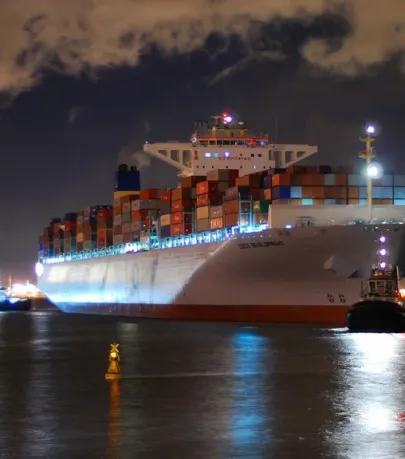
Export packaging from China has one job: your cartons will be stacked, moved by forklift, loaded into a container, and shipped across an ocean.
Shelf packaging is not shipping packaging
Packaging designed for a shop shelf is not packaging designed for that journey. A retail box is built to be looked at and carried by one person, and it gives way under the weight of everything stacked above it in a container. Weak export packaging from China is the cheapest possible way to lose an entire shipment, and the damage is usually discovered only when the container is opened.
Export packaging from China: inner and outer packing
Inner packing protects the individual item. Outer packing, the export carton, protects the stack. Specify both: ask for carton strength, how many pieces per carton, and how items are separated inside, and agree it in writing before mass production, not after.
Inner packing protects the item
Inner packing is what stops pieces rubbing against each other for six weeks at sea. A polybag, a divider between layers, or a printed inner box are all valid answers, and a factory picks the cheapest unless the answer is written into the order.
Outer packing protects the stack
The export carton is a load-bearing part, not a wrapper. Carton strength and the number of pieces per carton decide whether the bottom layer in the container survives the weight above it, so both belong in the specification as figures, not as a word like sturdy.
2. Shipping marks on every carton
Shipping marks identify your cargo once it leaves the factory and joins thousands of others on the same route.
What every carton should carry
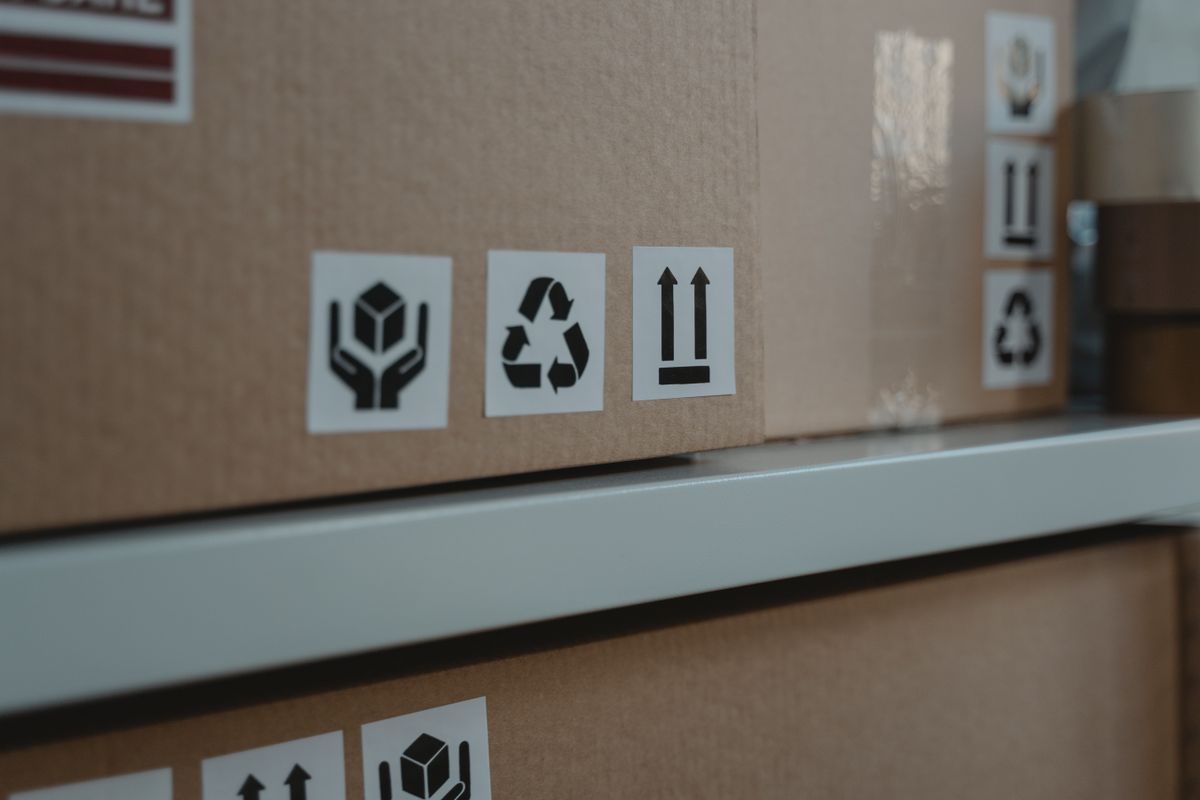
They typically carry your company or order reference, carton numbers such as 1 of 200, destination, and any handling symbols. Without clear marks, cartons get separated, miscounted, or delivered to the wrong consignee. Numbering also gives you a fast way to deal with a short shipment: if carton 47 of 200 never arrives, the packing list tells you exactly what was inside it and what to claim for.
3. Accurate carton counts and dimensions
Carton counts also feed your customs declaration and your own stock receipt, so one estimate becomes an error in three places at once.
Measure, do not estimate
Freight is priced on volume and weight, so the carton dimensions and gross weight your supplier declares become the numbers you pay against. If they are wrong, your freight quote is wrong. Confirm real measured figures rather than estimates: a packed carton on a scale, not the drawing the factory quoted from.
4. Destination labelling requirements
A factory packs to the practice it knows unless you tell it what your own market expects. Different markets require different information on the product and the carton: origin marking, importer details, safety symbols, language requirements. Packaging and labelling rules are set by your destination country, not by the factory, so it is on you to specify them. Send the exact wording or the artwork you need, and ask for a photograph of the first printed carton before the rest of the run is made.
5. The core documents that travel with the goods
Three documents matter most, and each one is prepared by a different party for a different reason.
The paper set
The commercial invoice states what the goods are and what they cost. The packing list states how many cartons, what is in each, and their weights and dimensions. The bill of lading is issued by the carrier and is the document that controls release of the cargo.
| Document | Who issues it | Error that most often delays clearance |
|---|---|---|
| Commercial invoice | Supplier | Goods description that does not match the packing list |
| Packing list | Supplier | Carton count or gross weight that does not match what shipped |
| Bill of lading | The carrier | Consignee name written differently from the invoice |
Errors here cause customs delays far more often than the goods themselves do. A container can be held while a single inconsistent line is corrected, and the correction has to come from China.
What weak packing actually costs
A crushed carton is not just damaged stock. It is a claim you probably cannot win, because carrier liability is limited and proving the goods left the factory in good condition is difficult without photographs. It is also a delayed reorder, because you now have to explain a shortfall to your own customers. Buyers who treat export packaging from China as a line item to be cut usually pay for it once, then never again.
Where specifying is not the same as checking
You can write a perfect packing specification and still receive badly packed goods.
Open cartons before the container closes
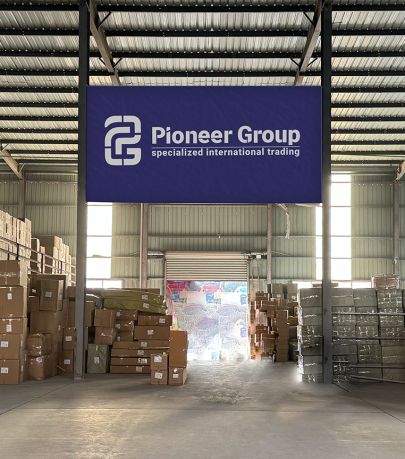
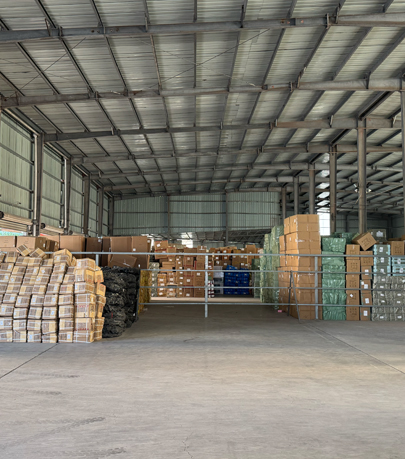
The only way to know is for someone to open cartons before the container closes. That check is part of a pre-shipment inspection, not a hope. As a China sourcing agent based in Yiwu, Pioneer Group inspects packing and marking before loading and reports back with photos, and our warehouse in Yiwu repacks and labels consolidated orders correctly before they ship. Our quality inspection runs in three stages with photo and video reports, so packing faults surface while the goods are still in China and can still be put right.
Frequently asked questions
Who is responsible for export packaging from China?
The supplier packs the goods, but you are responsible for specifying how. A factory will default to whatever is cheapest unless told otherwise.
What documents do I need to import goods?
At minimum the commercial invoice, packing list and bill of lading, plus any certificates your destination requires. Pioneer Group prepares and checks the China side paperwork on every order.
Can packaging be changed after production?
Repacking after the fact is possible in a warehouse but costs time and money. It is far cheaper to specify it correctly before production starts.
How Pioneer Group can help
Packing that survives a domestic truck run often fails on an ocean route. We check cartons, labelling and inner packing at the pre shipment stage and send photo and video reports before the goods leave Yiwu.
- Sourcing. Access to 5,000+ factories from an office in Yiwu, so you deal with the maker instead of a reseller.
- Quality inspection. Three stages, raw material, in production and pre shipment, with photo and video reports.
- Consolidation and shipping. Orders from many booths received at one warehouse and loaded as a single shipment.
Commission is 3 to 5 percent by order quantity, paid by you and never by the factory, with no hidden markup on the goods. Minimum order value is US$5,000. We reply within 2 hours during China business hours, in English, Chinese, Arabic, Russian, Turkish or French.
Talk to us: WhatsApp +86 190 2577 9716, info@pioneergptrading.com, or the contact form.
Pioneer Group is a China sourcing agent based in Yiwu, China, helping wholesale and bulk buyers source, inspect, consolidate, and ship orders from China.