
Most buyers do not struggle to find suppliers in China. They struggle to filter them. Type one product into a B2B platform and you get four thousand results, and most of them are trading companies reselling the same three factories. This guide covers six methods that reliably produce candidates, what to record about each one, and why you need volume in your list before you start cutting it down.
The honest answer: finding is cheap, filtering is expensive
Sourcing has two separate jobs, and they cost completely different amounts.
Discovery: building the list
The first job is discovery: building a list of companies that make what you want. Discovery is nearly free, and anyone with a browser can find suppliers in China.
Verification: proving the list
The second job is verification: proving which of them is a real factory that will hit your spec, your quantity and your date. Verification costs time, money and usually a plane ticket. Beginners get this backwards. They find three suppliers, pick the cheapest, and wire a deposit. Do the discovery work properly and the verification stage becomes a choice between good options instead of a gamble on one.
6 methods to find suppliers in China
The six sort into three groups: what you can search from your desk, what needs you physically in China, and what comes from other people.
From your desk: B2B platforms and 1688
- Large B2B platforms. Alibaba, Made in China and Global Sources are the default starting point. They are fast, searchable in English, and useful for price benchmarking. Treat every listing as a lead, not a verified factory. Many sellers are agents with a photo library.
- 1688 with someone who reads Chinese. The domestic wholesale platform lists far more real manufacturers at domestic prices, but it is Chinese language, Chinese payment and domestic shipping only. You need an agent or a Chinese speaking partner to use it at all.
On the ground: trade fairs and permanent markets
- Trade fairs. A trade fair puts hundreds of exporters in one hall with samples on the table. You see build quality with your hands and read the sales team in person. The cost is travel and a fixed calendar.
- Permanent wholesale markets. Unlike fairs, these run year round. The Yiwu International Trade City alone has 5 main districts and more than 75,000 booths, which makes it the fastest way to walk a whole category in a day. For the Yiwu specific approach to booths, agents and vendor checks, read our guide to finding reliable Yiwu vendors.
Through people: referrals and sourcing agents
- Referrals from other importers and forwarders. The most underused channel. Freight forwarders see who ships on time and who does not. Non competing importers in your country will often name a supplier they trust. Ask directly. A forwarder moving boxes out of the same city every week knows which factories miss their dates, and that record is not published anywhere.
- Sourcing agents. An agent on the ground skips discovery entirely and hands you candidates already matched to your quantity and spec. The fee is a percentage of order value, so cost tracks what you buy, not how long the search takes.
The six differ less in what they turn up than in what they cost and what they hand back.
| Method | Cost | Typical result |
|---|---|---|
| Large B2B platforms | Free to search | Thousands of leads, factories and agents mixed |
| 1688 | Free to browse, agent fee to buy | Domestic manufacturers at domestic prices |
| Trade fairs | Travel, on a fixed calendar | Samples in hand, sales team read in person |
| Permanent wholesale markets | Travel, no fixed dates | A whole category walked in a day |
| Referrals | Free, one question | A few names already proven on delivery |
| Sourcing agents | 3 to 5 percent commission by order quantity | Candidates matched to your quantity and spec |
Build a longlist, then a supplier record
A list of names is only worth keeping if it is long enough to give you options and consistent enough to compare.
Aim for fifteen to twenty candidates
Use those methods to find suppliers in China in volume: aim for fifteen to twenty candidates per product before you contact anyone. A shortlist of two gives you no negotiating position, because both parties know you have nowhere else to go. Volume is leverage.
Record the same fields for every supplier
Keep one row per supplier with the same fields every time: company name, contact person and channel, product range, minimum order quantity, quoted unit price with the quantity it applies to, lead time in days, and a short first impression note. That last field matters more than it looks. Response speed, willingness to answer a direct question, and whether they send their own photos or stock images all predict how the order will go. Standard wholesale practice is to compare on total landed cost, not unit price, so record packing details and carton dimensions when you get them.
Where you still need a person on the ground to find suppliers in China
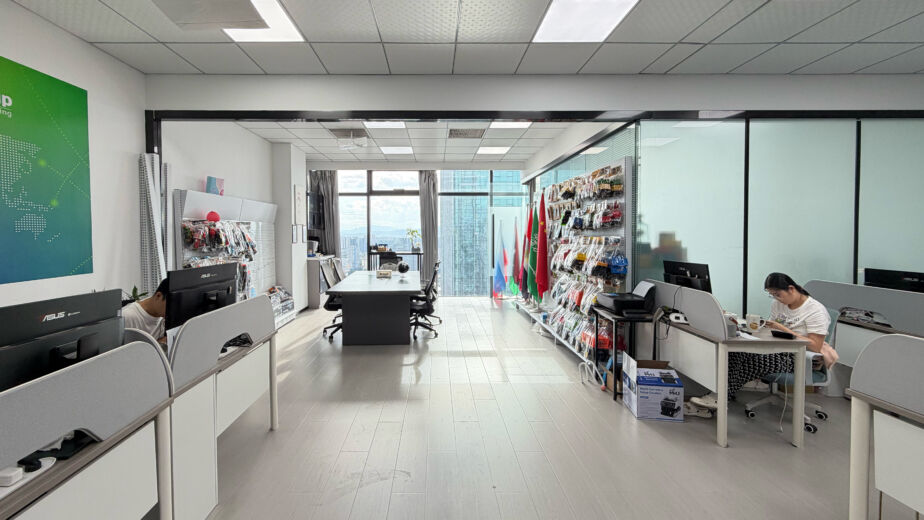
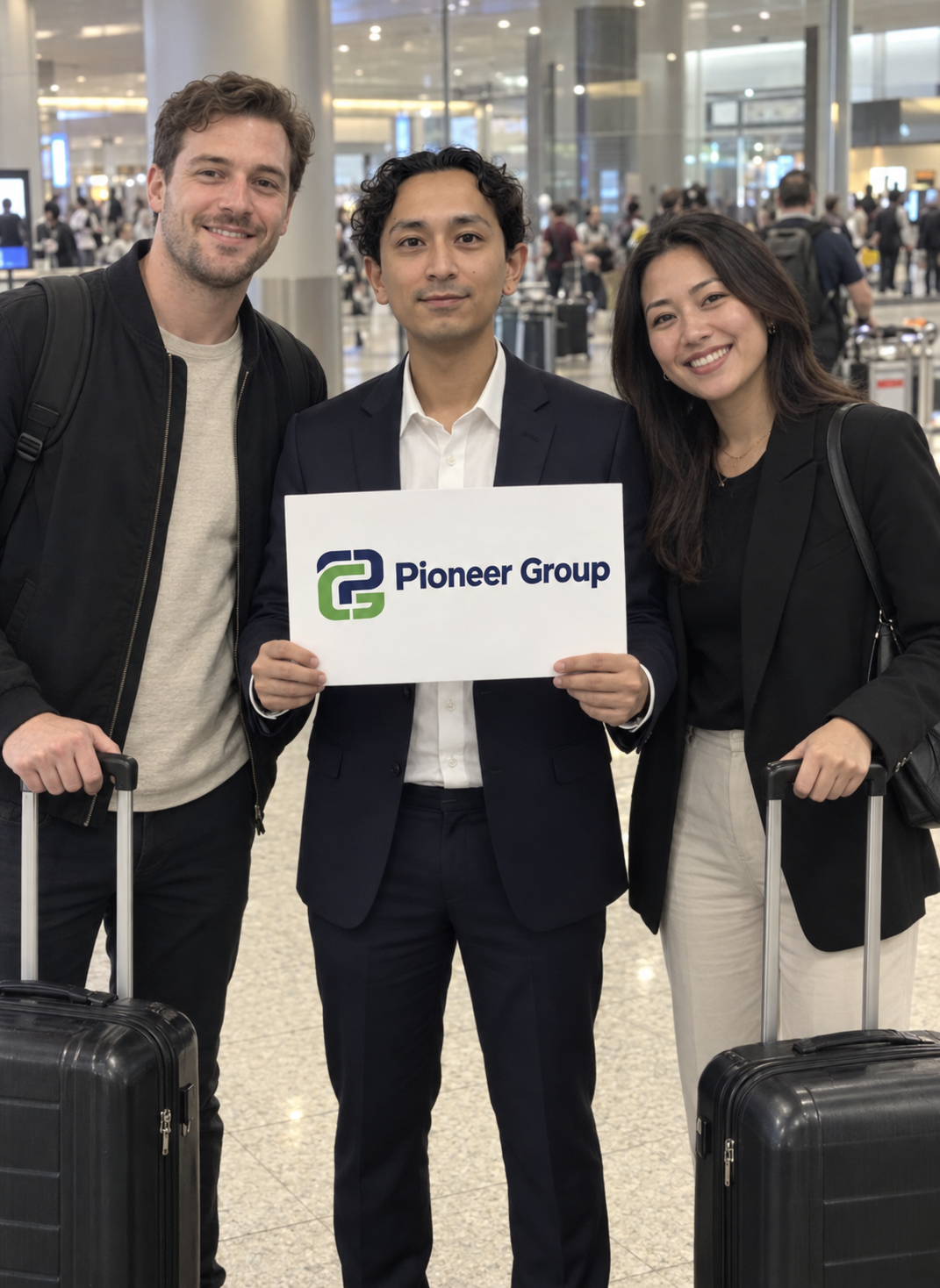
Here is the layer a blog post cannot give you. Anyone can find suppliers in China and build a list of a hundred lookalike companies. Knowing which three are real factories that will actually deliver is a different skill, built on years of local relationships, factory visits, and remembering who failed an order in 2023. That knowledge is not searchable. Pioneer Group has access to 5,000+ factories from an office in Yiwu, replies within 2 hours during China business hours, and charges 3 to 5 percent commission depending on order quantity with no hidden markup on goods. If you want the filtered shortlist instead of the raw list, start with our Yiwu sourcing agent service.
Frequently asked questions
How many suppliers should I contact before ordering?
Contact ten to fifteen, get quotes from at least five, and sample from two or three. Pioneer Group narrows that list first so you sample only serious candidates.
Can I find suppliers in China without visiting?
Yes, but someone has to verify them physically. Remote buyers use an agent for factory visits and inspection instead of travelling.
Is there a minimum order to work with an agent?
Pioneer Group is bulk only, with a US$5,000 minimum order value across the whole order, not per item.
How Pioneer Group can help
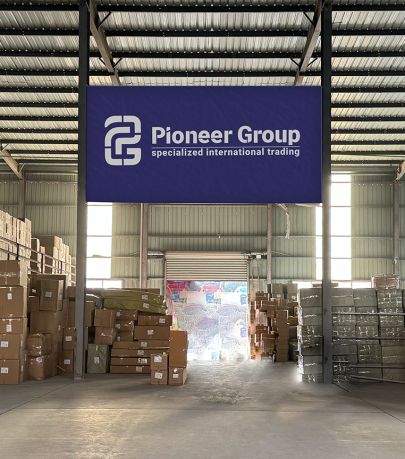
Online listings rarely tell you who actually manufactures the product. We work with more than 5,000 factories and check production capability directly, so quotes come from the maker rather than a reseller.
- Sourcing. Access to 5,000+ factories from an office in Yiwu, so you deal with the maker instead of a reseller.
- Quality inspection. Three stages, raw material, in production and pre shipment, with photo and video reports.
- Consolidation and shipping. Orders from many booths received at one warehouse and loaded as a single shipment.
Commission is 3 to 5 percent by order quantity, paid by you and never by the factory, with no hidden markup on the goods. Minimum order value is US$5,000. We reply within 2 hours during China business hours, in English, Chinese, Arabic, Russian, Turkish or French.
Talk to us: WhatsApp +86 190 2577 9716, info@pioneergptrading.com, or the contact form.
Pioneer Group is a China sourcing agent based in Yiwu, China, helping wholesale and bulk buyers source, inspect, consolidate, and ship orders from China.