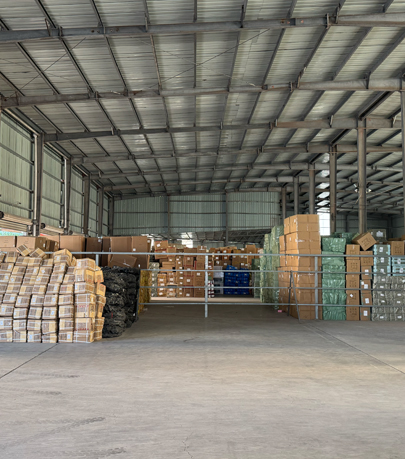
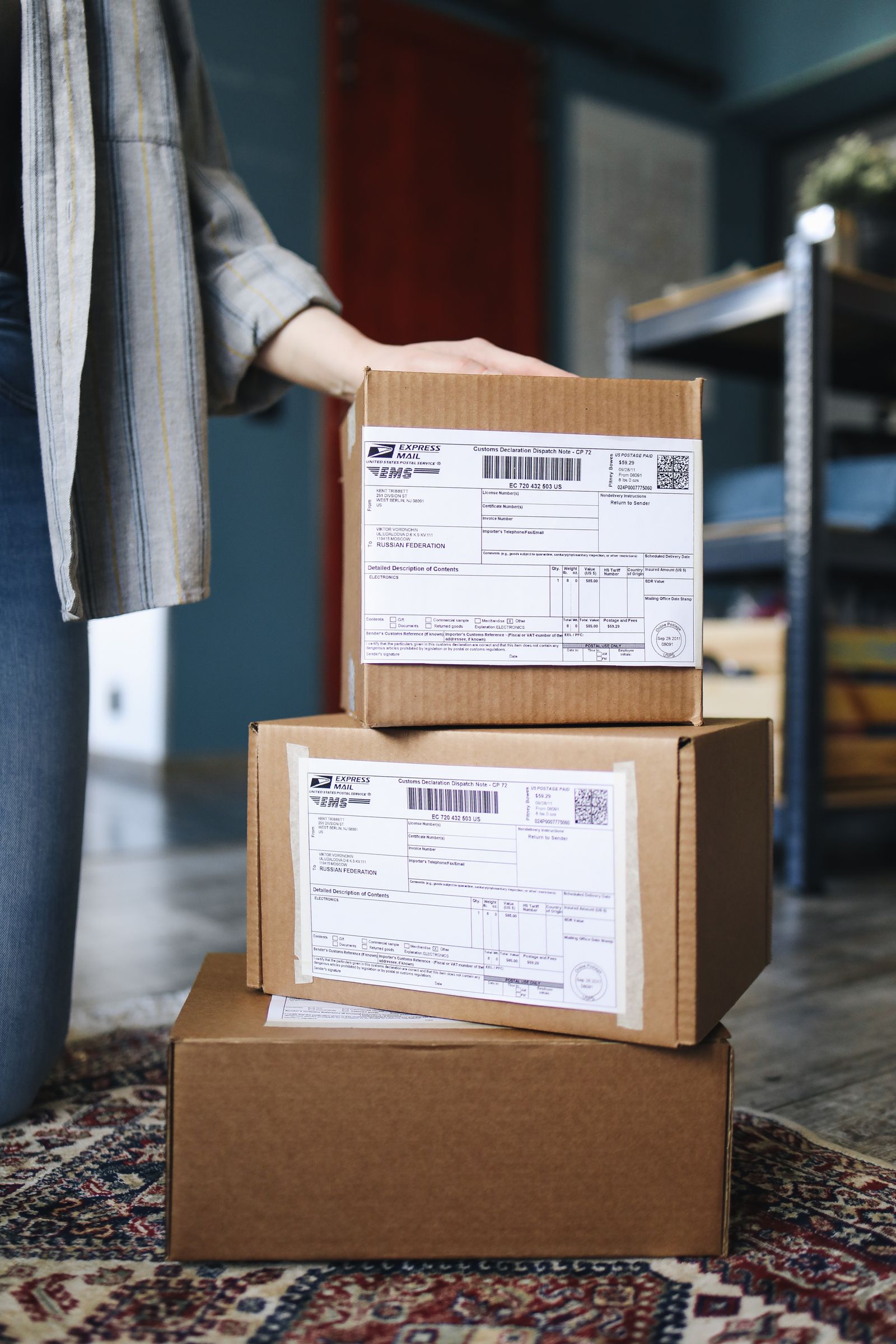
A container that was booked and confirmed is still sitting at the port. A pallet arrives crushed. Customs holds an entire load over one wrong number on an invoice. Most shipment problems from China are not mysteries. They come from a short list of failure points, and each one has a correct first move that has to happen fast. This guide covers six of them, what to do in the first 24 hours, and what your tracking page is really telling you.
The honest answer about shipment problems from China
Almost none of these issues are caused by the ocean. They are caused by paper, by space, and by handling. A carrier oversells capacity, so your box does not get loaded. A customs officer reads a document that does not match the cargo. A forklift driver stacks a pallet wrong in a transit port. The cargo itself is usually fine. The information around the cargo is where things break, and information problems get worse the longer you wait to name them. Speed matters more than blame in the first two days.
6 shipment problems from China and the first move for each
Each of the six below has one correct first move and one wrong move that quietly costs you the claim.
| Problem | First move | Evidence to preserve |
|---|---|---|
| Container rollover | Get the next confirmed sailing in writing | Written confirmation with vessel name and cut off date |
| Customs hold | Ask the broker for the written reason | The notice and the documents customs compared |
| Damage on arrival | Photograph the load before unloading | Photos, the noted delivery receipt, packaging, pallet |
| Short shipment | Count cartons against the packing list on day one | The packing list and the dated carton count |
| Wrong goods | Compare against the pre shipment inspection report | The inspection report with its photo and video files |
| Documentation errors | Correct the paperwork before the vessel sails | The bill of lading, invoice, and HS code as filed |
Container rollover
Your booking was confirmed but the container was not loaded on the vessel. Do not accept “next week” verbally. Ask the forwarder for the next confirmed sailing, with vessel name and cut off date, and get it in writing. Ask in the same message whether the space is confirmed or waitlisted, because a rolled container can be rolled twice. That written confirmation is what protects your delivery date with your own customer.
Customs hold
This is almost always a documentation mismatch, not a suspicion of your goods. Get the exact reason code or written notice from the broker before you guess. Guessing leads to submitting the wrong correction, which restarts the clock. Our China import tax and customs guide explains what customs is comparing.
Damage on arrival
Photograph everything before you unload a single carton. Note the damage on the delivery receipt at the moment of signing, not later. Keep the packaging, the pallet, and the wrapping. Discarded packaging is the single most common reason a valid damage claim dies.
Short shipment
Fewer cartons than expected. Count against the packing list immediately, carton by carton, before anything moves into your stock. Write the counted number on the delivery receipt while the driver is still there, because once the truck leaves nobody can prove whether the cartons went missing at origin or after delivery. A shortage found on day one is a claim. A shortage found on day thirty is an argument.
Wrong goods
Different model, different colour, different specification. Compare against the packing list and the pre shipment inspection report the same day. Photograph the carton markings next to the product inside, so the record shows which cartons held which goods, not only that something was wrong. If the inspection report shows the correct goods, the problem happened after inspection and that changes who is responsible.
Documentation errors
A wrong HS code, a wrong declared value, or a mismatched consignee on the bill of lading causes more delay than the cargo ever does. The check takes minutes: read the invoice, the packing list, and the bill of lading side by side and confirm the same value, consignee, and description on all three. Check these before the vessel sails, because corrections after arrival cost time and fees.
What tracking actually tells you
Tracking tells you where a container was scanned and when. That is all. It does not tell you whether your goods are inside it, whether they are in good condition, or whether the paperwork behind them is correct. A tracking page can look perfectly healthy while a customs hold is building in the background. Treat tracking as a timeline, not as proof. The documents and the inspection report are the proof. Understanding that difference prevents half of all panicked calls about shipment problems from China.
Where shipment problems from China need a person on the ground
Everything above you can do yourself from your own warehouse. Two things you cannot.
Filing the claim inside the deadline
The first is filing a carrier or insurance claim correctly, within the deadline, with evidence formatted the way the carrier accepts. The deadline and the form matter as much as the evidence: late filing or the wrong form kills a claim the evidence would have won.
Fixing the cause back in China
The second is fixing the cause back in China, which means someone walking into the supplier’s office, pulling the production records, and holding the factory to a replacement. That is on the ground work, and it is what a sourcing agent in Yiwu is for. Pioneer Group manages shipping from China for bulk buyers, so the documents are checked before the vessel sails and shipment problems from China get chased in Chinese, in the same time zone as the factory.
Frequently asked questions
How fast do I need to report damage?
Immediately, on the delivery receipt, before unloading. Pioneer Group tells buyers to photograph the sealed load first, because that photo is the strongest evidence you will ever have.
Can a customs hold be avoided?
Mostly yes. Correct HS codes, a declared value that matches the invoice, and consistent documents remove most causes before they start.
Does inspection prevent shipment problems from China?
It prevents the goods problems. Pre shipment inspection with photo and video reports proves what left the factory, which also settles arguments later.
How Pioneer Group can help
Most shipment problems start before the container is loaded. Our pre shipment inspection covers quantity, condition and packing with photo and video reports, and we hold and consolidate goods in Yiwu until the order is complete.
- Sourcing. Access to 5,000+ factories from an office in Yiwu, so you deal with the maker instead of a reseller.
- Quality inspection. Three stages, raw material, in production and pre shipment, with photo and video reports.
- Consolidation and shipping. Orders from many booths received at one warehouse and loaded as a single shipment.
Commission is 3 to 5 percent by order quantity, paid by you and never by the factory, with no hidden markup on the goods. Minimum order value is US$5,000. We reply within 2 hours during China business hours, in English, Chinese, Arabic, Russian, Turkish or French.
Talk to us: WhatsApp +86 190 2577 9716, info@pioneergptrading.com, or the contact form.
Pioneer Group is a China sourcing agent based in Yiwu, China, helping wholesale and bulk buyers source, inspect, consolidate, and ship orders from China.