
The Canton Fair complex in Guangzhou is too large to search on foot. The Canton Fair halls are grouped by product type, not by country and not by supplier size, and every booth carries a code that says where it sits. Learn the grouping and the code, and the complex becomes navigable.
This guide covers layout and navigation. If you are still choosing dates, read our guide to which Canton Fair phase to attend.
How the Canton Fair halls are organised
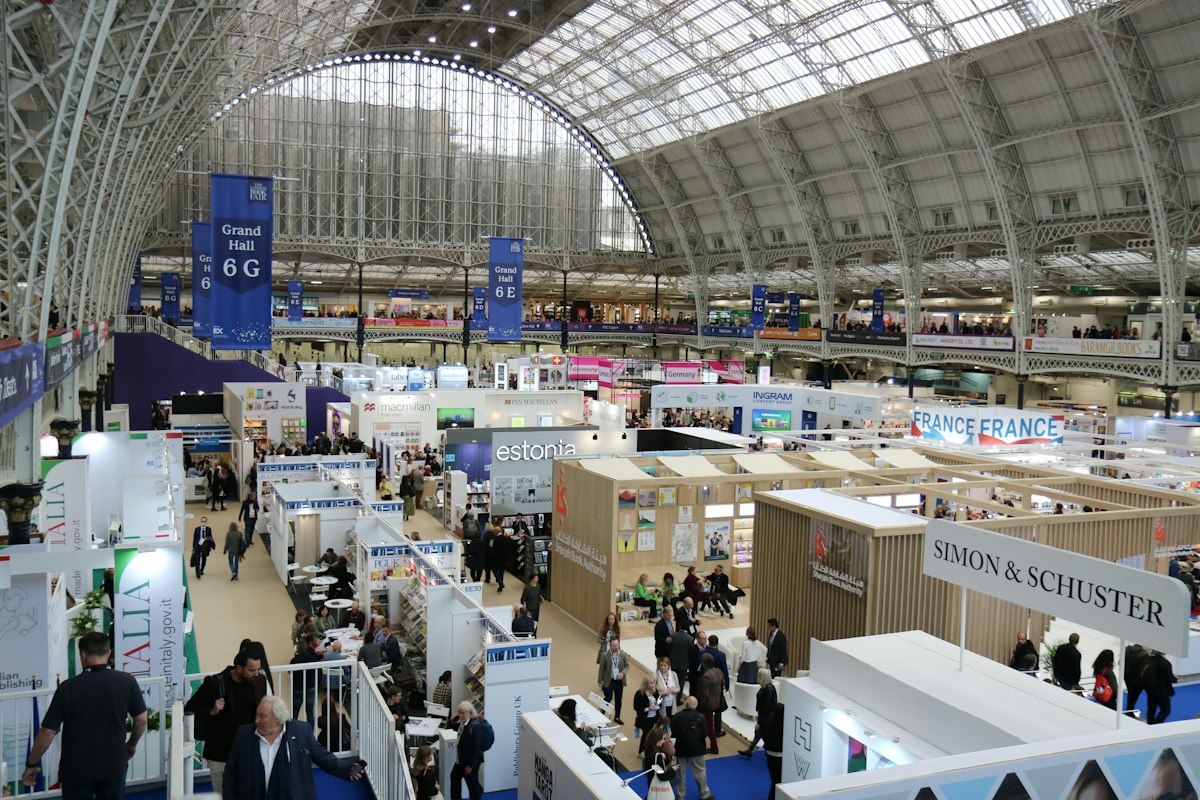
The fair runs inside one complex in the Pazhou area of Guangzhou. It is split into lettered areas, each area holds numbered halls, and each hall covers more than one floor. The organiser assigns categories to halls, and a category that needs space spreads into the halls next to it. So three coordinates place an exhibitor: area, hall, floor. Moving along one floor is fast. Moving between areas or floors means escalators and queues.
The layout is rebuilt between phases
The fair runs in phases with a closed break between them. In that break the stands come down and different categories move in. The hall that held lighting in one phase can hold handbags in the next, so work only from the catalogue for your phase. Rebuilding the floor between sessions is normal at a large trade fair.
Which product categories sit together
Categories in the Canton Fair halls are blocked by phase first and product family second. Once you know your phase, only a few halls matter.
The three category blocks
Phase one is industrial and electrical goods. Phase two is home and general consumer goods. Phase three is textiles, footwear, food and personal goods.
| Product group | Phase | Also in that phase |
|---|---|---|
| Electronics and home appliances | Phase 1 | Lighting, electrical parts |
| Hardware and tools | Phase 1 | Machinery, building materials |
| Kitchenware and tableware | Phase 2 | Ceramics, glassware, storage |
| Gifts and decorations | Phase 2 | Festival products, toys |
| Garments and fabrics | Phase 3 | Home textiles, accessories |
| Shoes, bags and cases | Phase 3 | Sports goods, office supplies |
Why the neighbours matter
Buying one category usually means buying the categories beside it. A kitchenware buyer also needs storage, tableware and packaging, and all three sit in one block. If your range crosses blocks, compare the fair with our wholesale product categories in Yiwu, open all year.
How to read a booth number
The parts of a booth code
A booth code reads left to right and narrows as it goes. Take 11.2 C25. The number before the dot is the hall. The digit after it is the floor. The letter is the aisle. The digits are the booth position along that aisle, in sequence. So 11.2 C25 is hall 11, second floor, aisle C, booth 25. Some catalogues close it up as 11.2C25.
Turning codes into a shortlist
Before you fly, export every booth code in your category from the exhibitor list. Sort it by hall, then floor, then aisle letter. That gives a walking order instead of a wish list. Twenty sorted booths is half a day. The same twenty unsorted is two days.
Planning a route through the Canton Fair halls
One floor at a time
Walk the Canton Fair halls floor by floor and finish each floor before leaving it. Give each booth five minutes on the first pass: take the card, photograph the product with the booth code in frame, note the minimum order. Keep the list with your preparation checklist, then return on the last day to the booths that survived. Many buyers add Yiwu afterwards, because the fair closes and the market does not, a leg covered in our guide on going from the Canton Fair to Yiwu.
What a hall map will not tell you
A map takes you to the right aisle. It does not tell you whether the company in that booth owns a factory or resells another factory’s goods. Both quote the same product. The first checks are yours: the factory address, which samples they make in house, photos of the line.
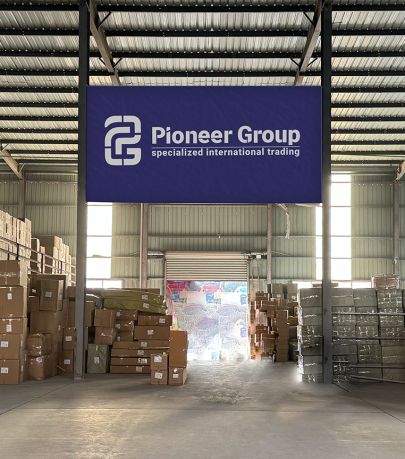
The layer we do not publish is what comes after. It is the conversation in Mandarin that separates an owner from an agent, the visit to the address on the card a week later, and the reading of a working line that shows whether capacity matches the promise. That is floor work in the local language, with the factory a drive away rather than a flight. Pioneer Group does attend the Canton Fair, visiting to scope the market and meet potential customers, and our office is in Yiwu. That work is the job of a Yiwu sourcing agent.
Frequently asked questions
Are booth numbers the same at every edition?
No. Exhibitors move, and the Canton Fair halls are reassigned between phases and editions. Rebuild your list from the current catalogue before every trip.
Can I cover more than one category block in one trip?
Only if they sit in the same phase. Different phases are separated by a closed break of several days, so it means a longer stay.
How many booths can I visit in a day?
Between 20 and 30 on a first pass of five minutes each, if they are sorted by hall and floor. Unsorted, expect half of that.
Pioneer Group is a China sourcing agent based in Yiwu, China, helping wholesale and bulk buyers source, inspect, consolidate, and ship orders from China.
How Pioneer Group can help
A fair visit produces cards and quotes, not shipments. The work starts when you fly home: confirming the factory behind each booth, checking the first run, combining several suppliers into one shipment.
- Sourcing. Access to 5,000+ factories, with quotes and samples gathered and compared before you commit.
- Quality inspection. Three stages, raw material, in production, and pre-shipment, with photo and video reports on every batch.
- Consolidation and shipping. Goods from many suppliers collected at our Yiwu warehouse and combined into one shipment, then handed to your forwarder.
Commission is 3 to 5 percent depending on volume and it is negotiable, paid by you and never by the factory, so the price you see is the factory price.
Talk to us: WhatsApp +86 190 2577 9716, info@pioneergptrading.com, or the contact form.