Five days of stands, a bag that fills by lunchtime, a flight home with a weight limit. Canton fair samples are the part of the trip most buyers plan last and regret first. The 140th session runs 15 October to 4 November 2026, three phases of five days each. Here is the method: what to photograph, what to carry, how to label, how the rest gets home.
The honest answer about samples at a fair
A fair is a shortlisting event, not a procurement event. Evidence is cheap as a photograph and expensive as a kilo of ceramic in a suitcase. Most buyers take too many canton fair samples on day one and too few of the right ones on day four.
Most stands should end in a photograph
A trade fair is a filter, not a warehouse. Photograph the product, the price card, the business card and the stand number in one frame, so the image carries its reference. Take a unit only when the decision needs what a photo cannot carry: weight in the hand, surface finish, fabric handle. A unit with no written spec is decoration.
Your phase decides what you carry
Phase 1, 15 to 19 October, is Advanced Manufacturing: machinery, vehicles, electronics and lighting, where a photograph and a specification sheet usually suffice. Phase 2, 23 to 27 October, is Quality Home Living: ceramics, kitchenware and furniture, the heaviest and most breakable goods of the fair. Phase 3, 31 October to 4 November, is Better Life: clothing, shoes, bags and toys, light enough that the mistake is quantity, not weight.
Six steps for canton fair samples you can use later
The routine adds a few minutes per stand and turns loose objects into a usable list.
- Decide at the booth. Photo or unit, never a bag taken because it was offered.
- Write the spec card. Material grade, weight, colour, packing, price at two quantities, minimum order, lead time, initialled at the stand.
- Label on the spot. Exhibitor, stand number, date and your reference code, on the bag.
- Log the row. One line in a phone spreadsheet, same code, plus the photo file name.
- Choose the route. Hand luggage, courier or a China address, while you can still weigh the item.
- Agree who pays. Unit cost, courier cost, and whether either is credited later.
Labelling that survives five days
One zip bag per unit, an adhesive label, a permanent marker. A code like 2-H12-034, phase two, hall twelve, item thirty four, works. Tape the card to the bag and photograph both: loose units lose their identity once several stands mix in one carrier.
Keeping the list traceable
Your log needs eight columns: reference, exhibitor, stand, date, product, route, who pays and status. Status earns its keep, because canton fair samples promised at a stand are the ones never sent. The halls close to buyers on the changeover days, 20 to 22 October and 28 to 30 October.
How canton fair samples travel home
Three routes, not interchangeable, and most buyers use all three.
| Route | Best for | Main risk |
|---|---|---|
| Hand luggage | Small, light items needed next week | Airline weight and content rules, customs questions |
| Courier to your country | A few units that decide an order | High cost per kilo, duty at your end |
| China address for consolidation | Many units, heavy or bulky goods | Needs an address that will receive and record them |
The promise at the stand is the weak link
Who pays, and when the cost is credited, works the same here as anywhere in China: the rules by type are in product samples from China. What differs is the promise: an exhibitor with hundreds of visitors a day agrees to send a unit next week, then returns to a backlog. Put it on the spec card with a date and chase it once the halls close.
What to check when the unit arrives
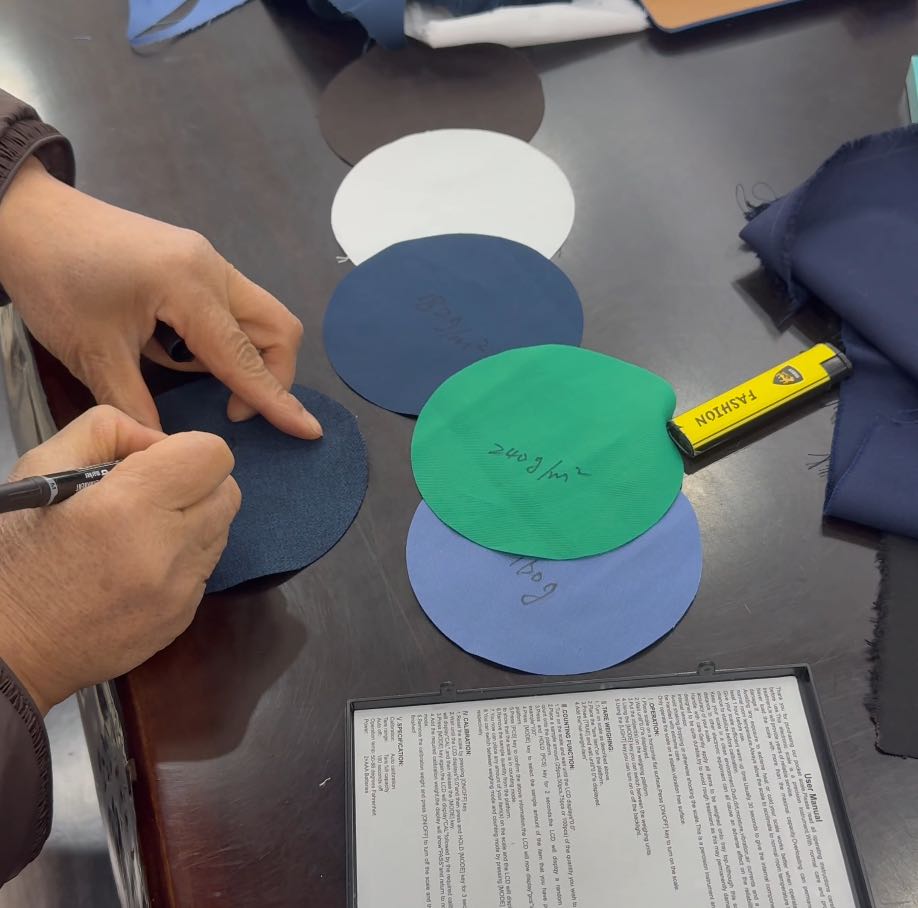
Open every parcel against your log, not your memory, and mark the missing rows. Weigh it against the spec card and check colour, finish and packing against the stand photograph. A difference found now is a conversation. Found in a container it is a claim, argued against whatever acceptable quality limit you agreed.
Where this needs a person on the ground
Everything above you can do alone, with a marker, a phone and discipline. One layer you cannot, and this article deliberately does not teach it: a China side address that receives canton fair samples from many exhibitors, checks each arrival against the spec agreed at the stand and keeps a signed reference unit.
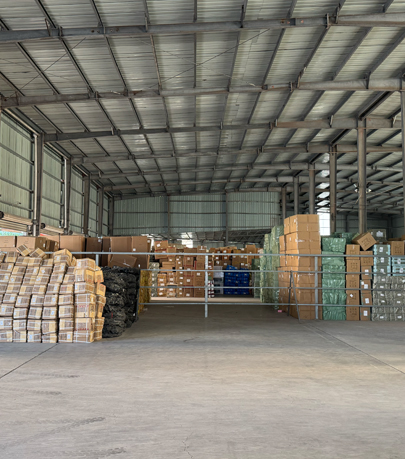
Parcels arrive over weeks from exhibitors already back at their factories. Each is booked in against your code, opened, weighed and compared with the spec. Some arrive in the wrong colour or grade, and someone calls the sales person in Chinese to get the right unit sent. The one that matches is sealed, signed and kept.
That is the work behind our quality inspection in China, and why the reference unit sits in a warehouse in Yiwu. Before you travel, work through our Canton Fair preparation checklist.
Frequently asked questions
Can I carry samples home in my luggage?
Usually yes for small, light items, but the limits come from your airline and your country’s import rules, not the fair. Check both before you fly.
Are Canton Fair samples free?
Giveaway items usually are. Anything with real material cost or a custom finish is normally charged, and courier cost is yours. Agree both at the stand.
Where should samples go if I cannot carry them?
To a China address that will receive them, check them against the spec and hold them until one shipment makes sense. Pioneer Group consolidates goods at its Yiwu warehouse, so ask us what is possible for units collected in Guangzhou.
How Pioneer Group can help
We attend the Canton Fair and work from Yiwu: we receive the units exhibitors send after the fair, check each against your agreed spec and keep the signed reference unit.
- Sourcing. Access to 5,000+ factories from an office in Yiwu, so you deal with the maker instead of a reseller.
- Quality inspection. Three stages, raw material, in production and pre shipment, with photo and video reports.
- Consolidation and shipping. Orders from many suppliers received at one warehouse and loaded as a single shipment.
Commission is 3 to 5 percent by order quantity, paid by you and never by the factory, with no hidden markup on the goods. Minimum order value is US$5,000. We reply within 2 hours during China business hours, in English, Chinese, Arabic, Russian, Turkish or French.
Talk to us: WhatsApp +86 190 2577 9716, info@pioneergptrading.com, or the contact form.
Pioneer Group is a China sourcing agent based in Yiwu, China, helping wholesale and bulk buyers source, inspect, consolidate, and ship orders from China.