
Most buyers settle yiwu market vs alibaba by opening two tabs and reading two unit prices. That comparison is close to useless. Unit price is one of seven cost blocks, and usually the one that moves least. This guide prices both routes on the same blocks, then runs a worked example.
The honest answer: these are two different products
Before any numbers, it helps to be clear that the two routes are not competing versions of the same thing. They differ in what they sell, how they quote, and what you can verify before you pay.
What each channel actually is
Alibaba is a directory of factories and trading companies that quote on paper. Yiwu is a physical wholesale market. The Yiwu International Trade City runs 5 main districts and 75,000+ booths, and you can hold the goods before you pay.
Where each channel wins
Alibaba wins on single-SKU volume and on goods you can specify in writing: a moulded part or a printed carton. Yiwu wins on mixed low-MOQ variety and on goods you need to see and touch.
Yiwu market vs alibaba: the 7 cost blocks
Price both routes on the same seven lines. Skip one and the yiwu market vs alibaba comparison breaks.
- Unit price. A starting position, quoted at a volume you may never reach, often excluding export packing.
- Forced MOQ. Money spent on pieces you did not want is still money spent. A minimum order quantity that doubles your buy cancels a lower unit price instantly.
- Samples. Fees, courier charges, and dead calendar days. Two rounds across six suppliers cost more than a flight.
- Domestic freight. Six suppliers in four provinces means six inland shipments, each with its own fee.
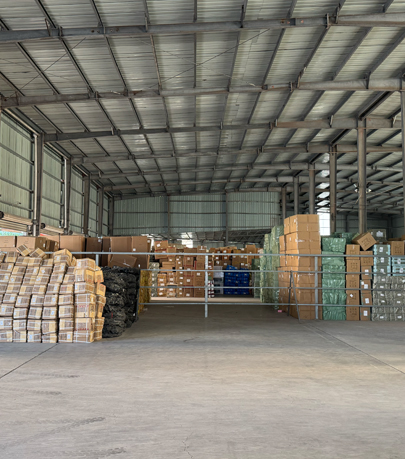
- Consolidation and export packing. One warehouse receives every carton, re-packs the weak ones, loads one container.
- Inspection. One inspection point costs one visit. Six factories in four provinces cost travel days.
- Your time. Twenty hours chasing sellers is a real cost that never hits an invoice.
A worked example on one mixed order
These figures are illustrative, not a quote. Say you need 4,800 pieces across six home and kitchen SKUs, 800 of each.
The mixed order, block by block
Set the two routes side by side on the same lines.
| Cost block | Platform route | Market route |
|---|---|---|
| Unit price for the 4,800 pieces you want | US$13,900 | US$15,000, booth prices about 8 percent higher |
| Forced MOQ | Pushed to 7,200 pieces, so you pay US$19,400 and carry US$5,500 of stock you did not plan | Minimums of 200 to 600, so no forced overbuy |
| Samples | US$480 from six sellers, 16 days | Off the shelf the same day, close to zero |
| Domestic freight, consolidation and export packing | US$690 across six inland shipments | US$320 for consolidation and export re-packing |
| Inspection | US$900 for two inspection trips | US$250 for one inspection point |
| Illustrative total before international freight | US$21,470 | US$15,570 |
Per piece you can sell this season, that is US$4.47 against US$3.24.
When the order shape flips, so does the verdict
Now flip the order: one SKU, 40,000 pieces, specified on a drawing. The factory quotes US$0.62 against US$0.71 in the booth, MOQ stops being a penalty, and there is one supplier to inspect. The platform wins by about US$3,600 on goods alone. Same two channels, opposite verdict, decided by order shape.
Why platform unit price misleads
It is the only figure both routes display, so buyers weight it at 100 percent when it decides half of landed cost. It assumes a tier you have not reached and inner packing, not export cartons, and it hides whether the seller is a factory or a trader. Run yiwu market vs alibaba across all seven blocks. Then check which Incoterms each quote uses, and how consolidation into one container changes the freight line.
Where yiwu market vs alibaba needs a person on the ground
The method above gets you a fair comparison. Turning that method into a decision needs current numbers from both channels, and those numbers are not something a published article can hold.
What this guide will not decide for you
Everything above is method, and method is teachable. What this article deliberately does not tell you is which of the two routes is cheaper for your product, at your volume, this month. That verdict needs live booth prices, the minimum each supplier will accept right now, current factory load, and your shipping route. None of it is published, and it moves week to week.
Checking both routes on your real order
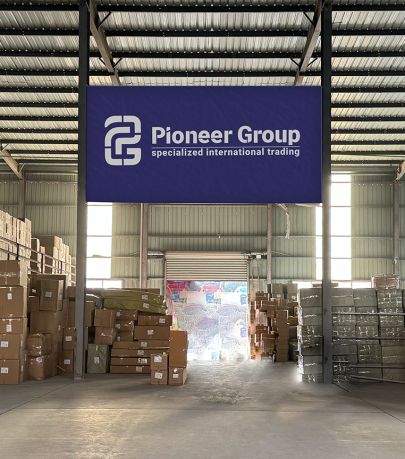
Pioneer Group works from an office in Yiwu, China, with access to 5,000+ factories, so both routes can be checked on your real order. Commission is 3 to 5 percent by order quantity, paid by the buyer only, never by the factory, with no hidden markup, on a US$5,000 minimum order value. See how our Yiwu sourcing agent service works, or what quality inspection in China covers on either route.
Frequently asked questions
Is the yiwu market vs alibaba comparison fair for factory-made goods?
Only partly. For a product built to your drawing, the platform reaches the maker directly. Booths sell it too, but one layer down the chain.
Can I use both channels on one order?
Yes. Order the high-volume SKUs from the factory, buy the long tail in the market, then consolidate into one container in Yiwu.
Do I have to travel to compare them?
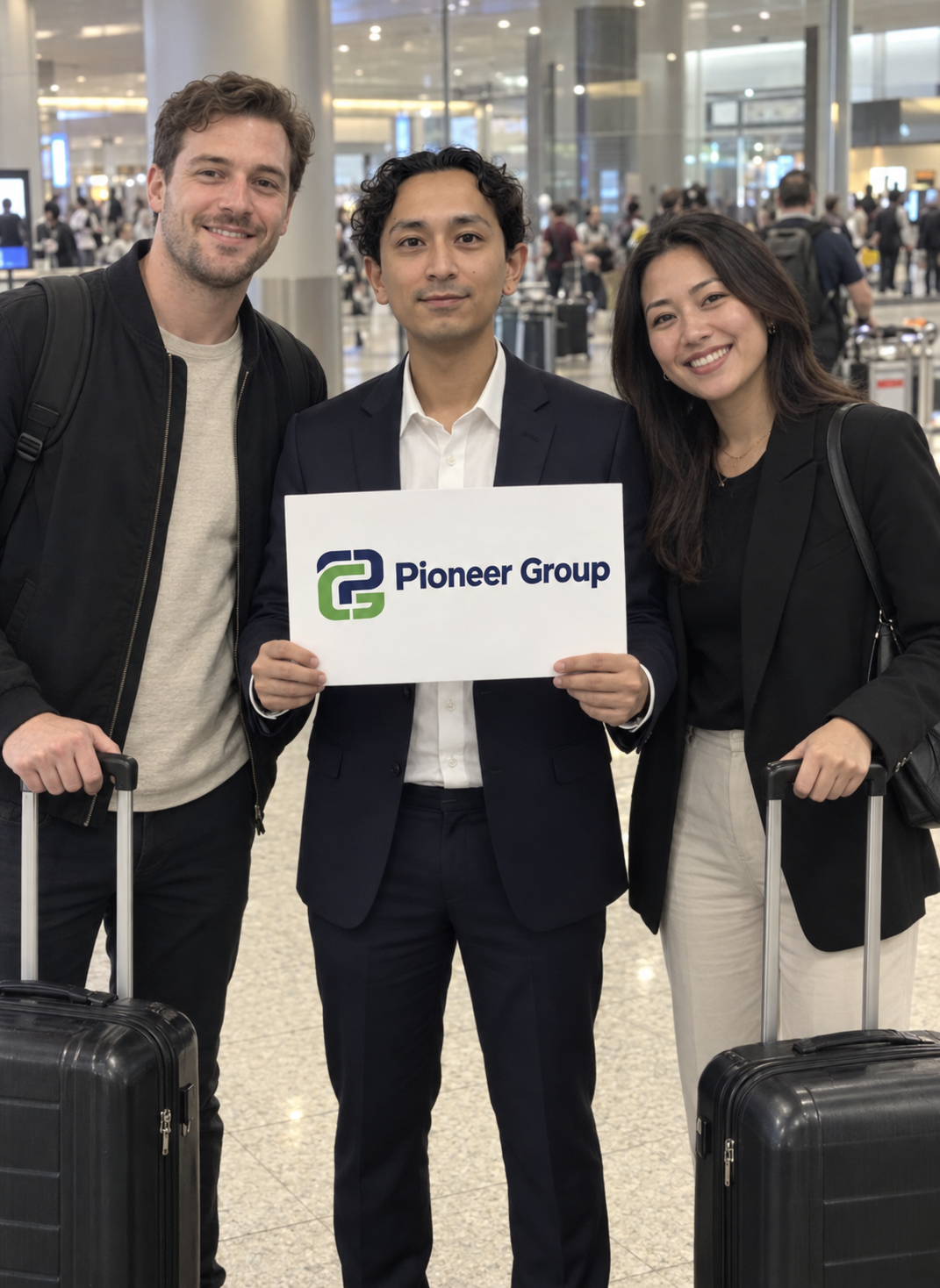
No. Pioneer Group sources on your behalf from Yiwu, inspects in 3 stages with photo and video reports, and replies within 2 hours during China business hours.
How Pioneer Group can help
Online listings hide the costs that surface later: samples, repacking, consolidation, and the markup built into a reseller’s price. We quote the price the booth or factory gives us and keep our fee separate from the goods.
- Sourcing. Access to 5,000+ factories from an office in Yiwu, so you deal with the maker instead of a reseller.
- Quality inspection. Three stages, raw material, in production and pre shipment, with photo and video reports.
- Consolidation and shipping. Orders from many booths received at one warehouse and loaded as a single shipment.
Commission is 3 to 5 percent by order quantity, paid by you and never by the factory, with no hidden markup on the goods. Minimum order value is US$5,000. We reply within 2 hours during China business hours, in English, Chinese, Arabic, Russian, Turkish or French.
Talk to us: WhatsApp +86 190 2577 9716, info@pioneergptrading.com, or the contact form.
Pioneer Group is a China sourcing agent based in Yiwu, China, helping wholesale and bulk buyers source, inspect, consolidate, and ship orders from China.