Two buying trips, two completely different weeks. The yiwu market vs canton fair question comes up on almost every first trip to China, and the honest answer depends on what you buy rather than on which venue is larger. This post sets out what each place actually is, what you can do at each one, and how to choose without booking both.
What each venue actually is
The two are not competing versions of the same thing. One is a permanent market you can walk into in any ordinary week. The other is a scheduled trade event with a start date and an end date.
The Yiwu market
The Yiwu market is a permanent wholesale complex spread across 5 districts holding more than 75,000 booths. It is open year round, so the date of your trip is your decision rather than a fixed one. Most booths sell small commodities: homeware, gifts, stationery, hardware, toys, seasonal goods. You walk the aisles, handle the stock, and place orders the same afternoon. Many sellers sit close to the factories that produce the goods, which shortens the supply chain between the sample in your hand and the line that makes it.
The Canton Fair
The Canton Fair is an event, not a building you can visit whenever you like. It runs in Guangzhou twice a year, in spring and autumn, and is divided into phases that each cover different product categories. Exhibitors take a stand for a few days, show their range, and collect enquiries. The industrial spread is wider than Yiwu offers, including machinery, electronics and building materials, but you are usually looking at display samples and catalogues rather than stock that can be loaded.
Yiwu market vs Canton Fair side by side
A yiwu market vs canton fair comparison is easiest to read in one place:
| Factor | Yiwu market | Canton Fair |
|---|---|---|
| When you can go | Open year round, you pick the week | Twice a year, spring and autumn, in phases |
| What you are looking at | Booths across 5 districts, 75,000+ of them, stock in front of you | Exhibitor stands grouped by category, mostly display samples |
| Who is selling | Market sellers and traders, many tied to nearby factories | Exporters and manufacturers showing a full range |
| Product profile | Small commodities, gifts, homeware, hardware, seasonal lines | Broader industrial spread, machinery, electronics, materials |
| Order shape that fits | Mixed containers built from many small quantities | Larger single line orders and custom projects |
Which venue fits your order
The yiwu market vs canton fair decision is mostly a decision about product category and order shape, not about prestige.
When Yiwu is the better trip
Yiwu suits a buyer filling a container with many different items in modest quantities. Shops, importers and market traders usually fall here. You can compare twenty versions of the same product in an hour, agree quantities on the spot, and consolidate everything into one shipment. It also suits anyone whose calendar will not bend to a fixed fair date.
When the Canton Fair is the better trip
The fair suits a buyer who wants one product line in serious volume, or a category that Yiwu does not cover well. If you need a machine, a certified electrical item or a custom manufactured product, the exhibitors there are set up for that conversation. The trade off is timing and crowding: you travel when the fair says so, and every other buyer is in the same hall.
What neither venue does for you after the order
Both places end at the same point. You agree a price, you pay a deposit, and then the part that decides whether the goods are right happens without you in the room.
Samples, specs and the first run
Nothing real starts until specifications are frozen and a pre-production sample is approved. That gap is often two weeks on its own, and it is where most disputes begin. Know which sample you are asking for before you ask: read the five sample types first, then write the approval step into the invoice.
Packing, cut-offs and the calendar
Cartons, barcodes and shipping marks decide whether a container clears without argument, so agree them in writing rather than trusting a photo. Start with export packaging basics. Timing matters just as much: factories close for two to four weeks around Chinese New Year and return in waves, with a capacity crunch before and a slow restart after. Plan the trip and the deposit against a seasonal buying calendar.
Where the yiwu market vs canton fair decision needs someone local
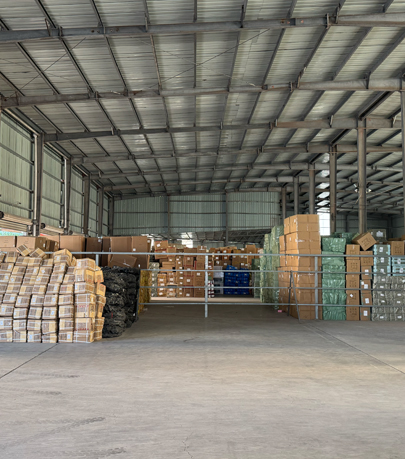
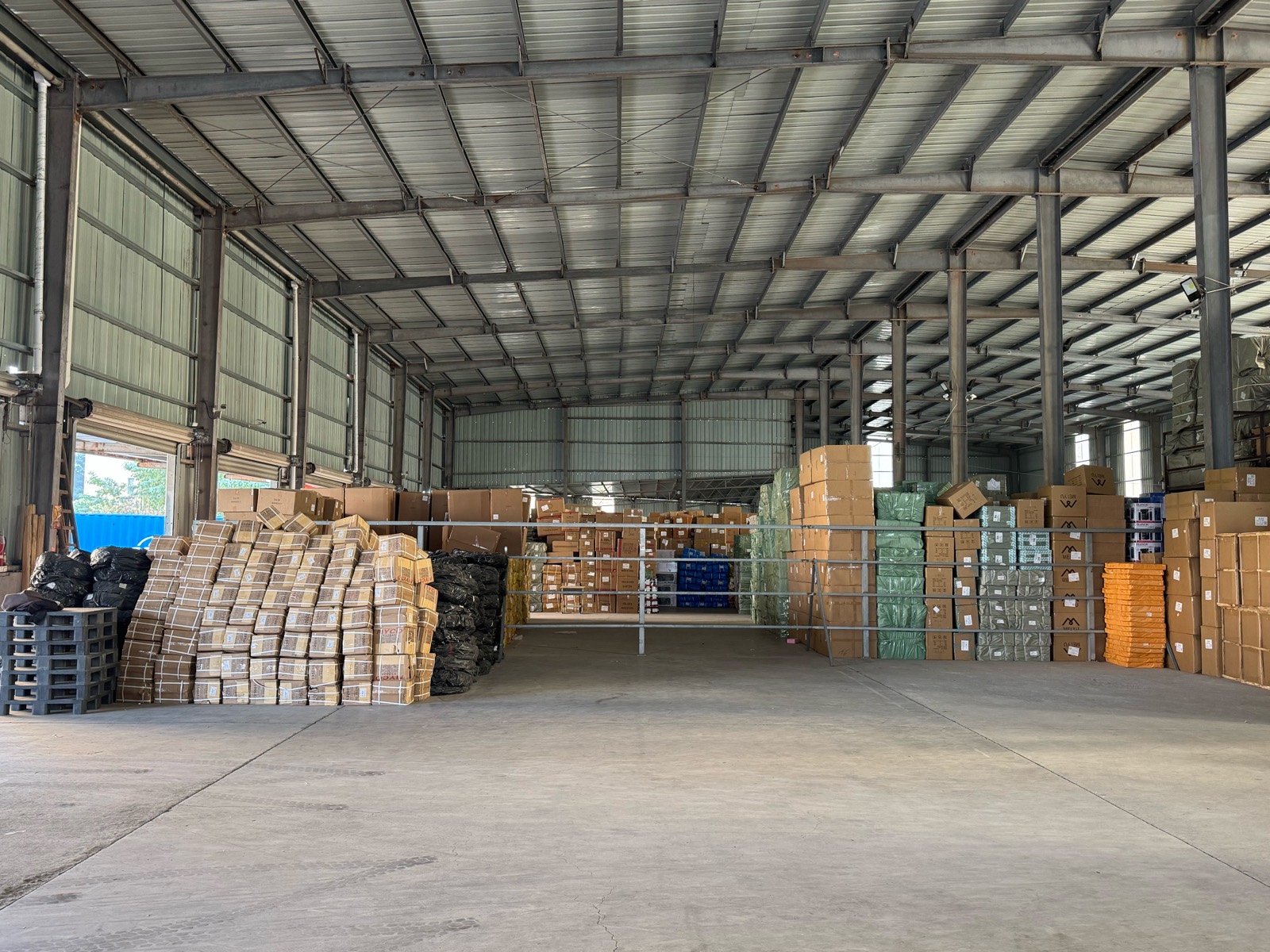
Choosing the venue is the easy half. The harder half is what happens in the eight weeks after you fly home, when messages get shorter and a factory that is three weeks behind still says it is almost finished. Only presence tells you whether a line is running or waiting on a missing component.
That is why the yiwu market vs canton fair choice matters less than having someone on the ground afterwards. A Yiwu sourcing agent can call the production manager in Chinese, drive to the floor, look at the line, and give you a real date in week three instead of week eight.
Frequently asked questions
Do I have to visit either one in person?
No. Plenty of buyers never travel and work through an agent who walks the booths, gathers quotes and sends photos and video. A trip helps you understand your category, but it is not a requirement for placing an order.
Is the Yiwu market vs Canton Fair choice a permanent one?
No. Many buyers use the fair to find a manufacturer for one serious product line and the market for everything else in the container. The two are complements more often than alternatives.
What does it cost to buy through an agent instead?
Pioneer Group works from a US$5,000 minimum order and charges 3 to 5% commission, with access to 5,000+ factories, three stage inspection, and replies within 2 hours in six languages.
How Pioneer Group can help
Buyers who compare the two usually end up using both. We attend the Canton Fair and work Yiwu year round, so a product you see at the fair can be checked against booths in the trade city on the same trip.
- Sourcing. Access to 5,000+ factories from an office in Yiwu, so you deal with the maker instead of a reseller.
- Quality inspection. Three stages, raw material, in production and pre shipment, with photo and video reports.
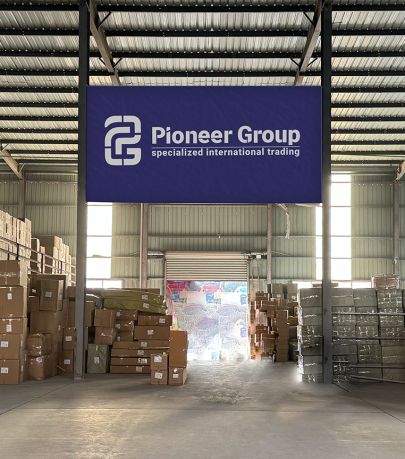
- Consolidation and shipping. Orders from many booths received at one warehouse and loaded as a single shipment.
Commission is 3 to 5 percent by order quantity, paid by you and never by the factory, with no hidden markup on the goods. Minimum order value is US$5,000. We reply within 2 hours during China business hours, in English, Chinese, Arabic, Russian, Turkish or French.
Talk to us: WhatsApp +86 190 2577 9716, info@pioneergptrading.com, or the contact form.
Pioneer Group is a China sourcing agent based in Yiwu, China, helping wholesale and bulk buyers source, inspect, consolidate, and ship orders from China.